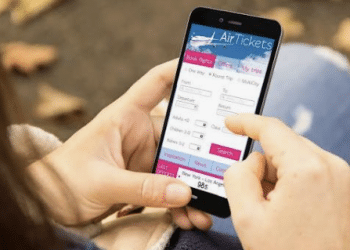

8:00 PM 12/29/25 Contributor Cynthia McCallum breaks down the misleading traps lurking in the holiday season, as fraudsters ramp up their schemes for peak opportunity. From polished fake emails to “dream destinations” that never existed, she exposes how easily holiday cheer can turn into holiday chaos.
The Misleading Traps Lurking in the Holiday Season
The holiday season is supposed to be a time of warmth, generosity, and celebration. Families gather, communities light up, and people try—at least for a few weeks—to slow down and reconnect with what matters. But beneath the glow of string lights and the soundtrack of cheerful music, another force is at work. It’s quieter, more calculated, and far more opportunistic. Every year, as people become distracted by travel plans, gift lists, and end‑of‑year stress, fraudsters ramp up their schemes. They know this is their peak season. They know people are tired, rushed, and eager to believe in good news. And they know exactly how to turn holiday cheer into holiday chaos.
The traps they set are not always obvious. In fact, the most dangerous ones are designed to feel familiar, comforting, or urgent. A polished email that looks like it came from your airline. A text message claiming your package can’t be delivered. A travel deal that seems too good to pass up. A rental cabin that looks like a winter dream but doesn’t actually exist. These scams work because they mimic the rhythms of the season. They blend into the noise. They exploit the fact that people are juggling too much at once.
Fraudsters understand human behavior better than most legitimate businesses. They know that December is the month when people stop reading the fine print. They know that families are desperate to secure affordable travel. They know that inboxes are overflowing with receipts, confirmations, and shipping updates. And they know that when people are stressed, they click faster. They don’t pause. They don’t question. They just want the problem solved or the deal secured. That’s the moment scammers wait for.
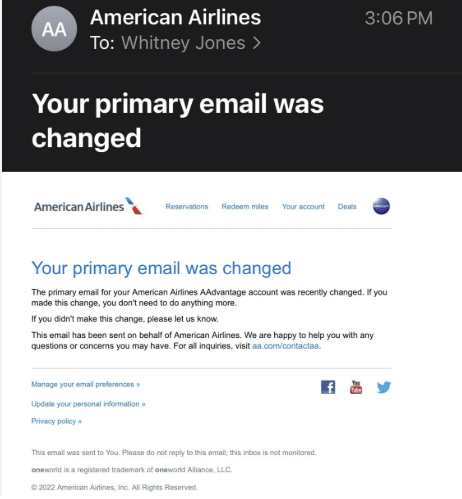
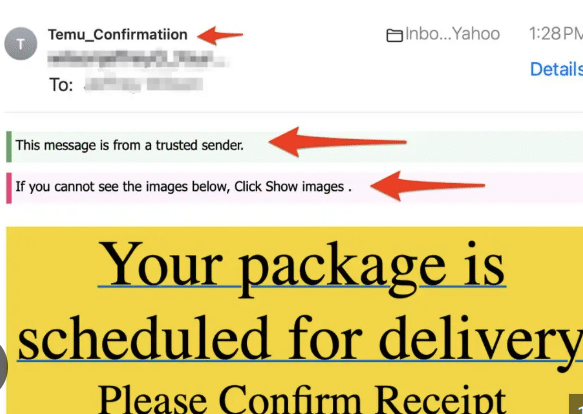
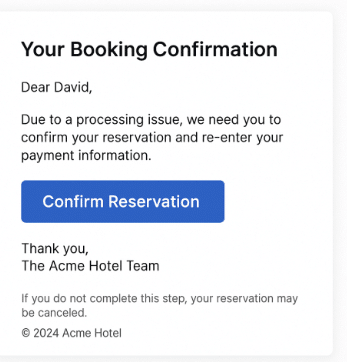
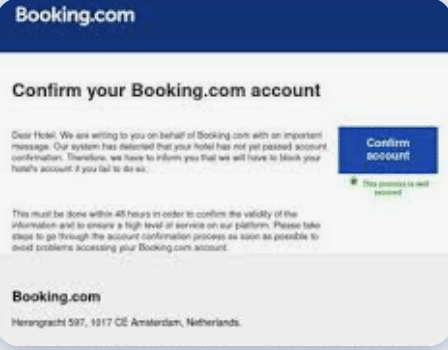
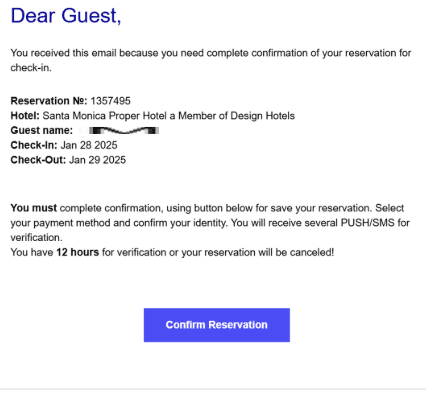
One of the most common traps is the fake travel confirmation. It arrives looking official, complete with logos, formatting, and language that mirrors real airline communication. The message might say your flight has been canceled, or that you need to re‑verify your payment information. It might warn you that your reservation is at risk. The goal is always the same: create panic. When people panic, they click. When they click, they hand over information that can be used to drain accounts, steal identities, or reroute legitimate travel plans into fraudulent channels.
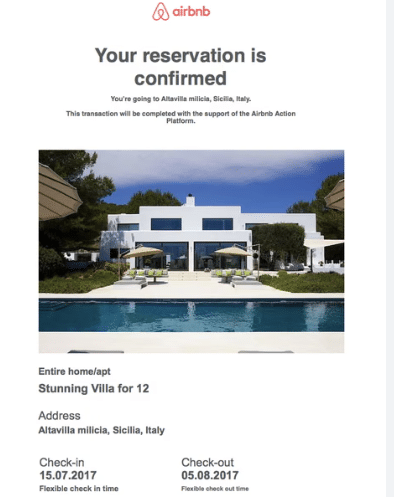
Another trap comes disguised as a holiday miracle: the “dream destination” that never existed. These listings appear on rental platforms, social media marketplaces, and travel deal websites. The photos are stunning—snow‑covered cabins, beachfront villas, mountain chalets with panoramic views. The prices are unbelievable, and that’s the point. Fraudsters know that families are desperate for affordable getaways. They know that people want to create memories. They know that the idea of a perfect holiday escape is powerful enough to override skepticism. So they build a fantasy, collect deposits, and disappear.
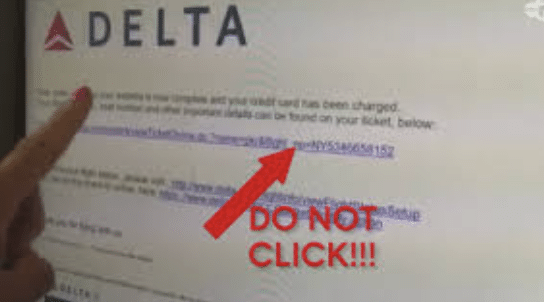
The sophistication of these scams has increased dramatically. Gone are the days of obvious spelling errors and clumsy formatting. Today’s fraudsters use AI‑generated images, cloned websites, and stolen branding. They mimic legitimate customer service language. They create fake phone numbers that route to scripted call centers. They even build temporary websites that vanish after a few days, leaving victims with no trace of who took their money. The illusion is polished because the stakes are high. Holiday scams are a billion‑dollar industry, and the people behind them treat it like one.
Package‑delivery scams are another seasonal favorite. With millions of people ordering gifts online, inboxes fill with tracking updates. Scammers slip into that stream with messages claiming a package is delayed, undeliverable, or requires address verification. The links lead to phishing pages designed to harvest personal information. Some even install malware. Victims often don’t realize what happened until weeks later, when fraudulent charges appear or accounts are compromised. By then, the scammer is long gone.
What makes these traps so effective is not just their design—it’s the emotional environment of the holidays. People want things to go smoothly. They want to avoid disappointing their families. They want to believe that the deal they found is real, that the message they received is legitimate, that the season is still magical. Fraudsters weaponize that optimism. They turn it into leverage. They count on people being too busy, too trusting, or too overwhelmed to notice the red flags.
Even small towns, often seen as insulated from big‑city scams, are not immune. In fact, rural communities can be even more vulnerable. Fraudsters know that local residents may not expect sophisticated scams. They know that people trust familiar names and recognizable institutions. So they impersonate local businesses, community organizations, or even neighbors. They send fake charity requests. They create counterfeit event pages. They mimic local travel agencies. The goal is always the same: blend in, then strike.
The holiday season also brings a surge in charity scams. Fraudsters create fake donation pages, impersonate real nonprofits, or send emotional appeals that tug at the heart. They know people want to give. They know people feel guilty if they don’t. They know that the holidays amplify empathy. So they exploit it. Money that should have gone to real causes instead funds criminal networks. Victims often don’t discover the truth until tax season, when receipts don’t match legitimate records.
Social media has become a breeding ground for holiday deception. Influencer‑style ads promote “exclusive” travel packages, limited‑time discounts, or luxury experiences at impossible prices. Many of these accounts are fabricated. The photos are stolen. The testimonials are fake. The urgency is manufactured. But the emotional pull is real. People share these posts with friends, believing they’ve found something special. By the time the truth surfaces, the scammer has already cycled through new accounts and new victims.
The psychology behind these traps is simple: fraudsters don’t need to fool everyone. They just need to fool the right person at the right moment. A tired parent trying to book a last‑minute flight. A college student rushing to get home. A grandparent trying to send gifts. A family searching for an affordable holiday escape. The season creates pressure, and pressure creates opportunity. Scammers know this better than anyone.
The solution is not to become cynical or fearful. It’s to become aware. Awareness is the one thing scammers cannot manipulate. When people slow down, read carefully, and verify information, the traps lose their power. When communities share warnings, fraudsters lose their advantage. When families talk openly about scams, fewer people fall for them. The holiday season doesn’t have to be a minefield. But it does require vigilance.
Consumers can protect themselves by following a few simple principles. First, never click on links in unsolicited emails or texts. Go directly to the official website instead. Second, verify travel deals through trusted platforms. If a price seems too good to be true, it usually is. Third, research rental properties thoroughly. Reverse‑image search photos. Check reviews. Confirm ownership. Fourth, be cautious with charity requests. Donate through official channels. And finally, trust your instincts. If something feels off, it probably is.
The holidays will always be a prime season for fraud. The combination of stress, spending, and emotion creates the perfect environment for deception. But understanding the traps makes them easier to avoid. Fraudsters thrive in confusion, not clarity. They rely on distraction, not diligence. They count on people being too overwhelmed to notice the details. When people reclaim their attention, the scams lose their edge.
The holiday season should be a time of connection, not exploitation. A time of generosity, not manipulation. A time of joy, not regret. Fraudsters may try to turn celebration into chaos, but they don’t have to succeed. With awareness, caution, and community, people can protect themselves and each other. The season can remain what it was meant to be: a moment of light in a dark year, not a trap waiting to spring.
In the end, the most misleading part of holiday scams is how ordinary they look. They blend into the background. They mimic the familiar. They hide behind the symbols of the season. But once you know what to look for, the illusion breaks. The traps become visible. And the power shifts back to the people who refuse to be fooled. I’m going to end this seasonal editorial with my very important top 10 list.
10 Ways to Protect Yourself From Travel‑Related Fraud Emails
- Never click links in unsolicited emails
If an email claims to be from an airline, hotel, Airbnb, or rental car company, don’t click the link. Go directly to the official website or app and check your reservation there. - Verify the sender’s email address
Scammers often use addresses that look almost right but include extra letters, numbers, or strange domains. Real companies don’t email from Gmail, Outlook, or odd variations of their name. - Log in through the official app, not the email
Airlines, hotels, and Airbnb all have apps that show real‑time reservation details. If the email says something changed, check the app first. If it’s not reflected there, it’s fake. - Watch for “urgent” or “last chance” language
Fraudsters rely on panic. Phrases like “Your booking will be canceled in 2 hours” or “Immediate action required” are classic red flags. - Never re‑enter payment information from an email link
Legitimate companies will never ask you to “re‑verify” your credit card through an email. If you’re unsure, call the company using the number on their official website. - Confirm reservation changes directly with the provider
If an email says your flight changed, your hotel is overbooked, or your rental car is unavailable, call the company directly. Scammers often invent fake “changes” to get you to click. - Use two‑factor authentication on all travel accounts
Airline, hotel, and Airbnb accounts often store payment info. Adding 2FA makes it much harder for scammers to break in, even if they get your password. - Be suspicious of deals that are dramatically cheaper than normal
Fraudsters love to bait people with “luxury for less.” If a beachfront villa is 70% off or a holiday flight is half the normal price, assume it’s a scam until proven otherwise. - Check the reservation number directly with the company
If an email includes a “confirmation number,” enter it on the official website. If the system doesn’t recognize it, the email is fraudulent. - Trust your instincts — hesitation is a safety tool
If something feels off, looks odd, or seems too good to be true, pause. Scammers rely on speed. Slowing down is one of the strongest defenses you have.
Thank you for reading my editorial, but I want to hear from you!