
Contributor Dexter McCullough examines the sweeping changes in the newly released food pyramid, a long‑overdue correction to a nutritional model that misled millions for decades. The previous pyramid—imbalanced, industry‑influenced, and far too friendly to ultra‑processed foods—finally gets the scrutiny it deserved. With schools, the military, and other major institutional food programs set to adopt the new guidelines immediately, the shift promises real, measurable benefits for millions of Americans, especially children who rely on these systems every day.
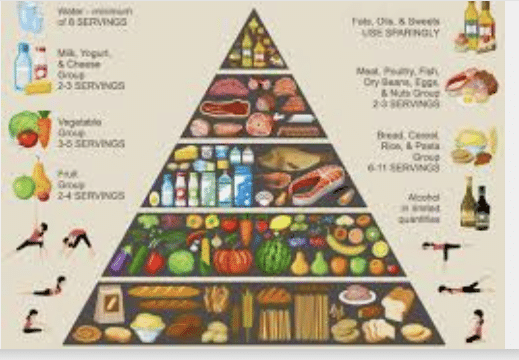
The old food pyramid spent decades posing as a trustworthy guide, a tidy geometric promise that if Americans simply followed its tiers, they would achieve balanced nutrition and long‑term health. It appeared in classrooms, cafeterias, doctor’s offices, and government brochures, becoming one of the most widely recognized public‑health graphics in modern history. Yet beneath its friendly simplicity, the pyramid was never the neutral, science‑driven tool it claimed to be. It was a marketing diagram disguised as nutritional truth, a government‑endorsed illusion that nudged millions toward diets overloaded with grains, underpowered in protein, and disturbingly tolerant of ultra‑processed foods. Now, with the release of the new food pyramid, the old model is being forced into a quiet, uncomfortable confession: it misled the public, it contributed to widespread health decline, and it helped cement a food distribution system built not on nutrition, but on the mass movement of processed and highly processed products.
The original pyramid’s most glaring flaw was its foundation. By placing bread, cereal, rice, and pasta at the base and recommending six to eleven servings a day, it implied that grains should dominate the American diet. This wasn’t just unbalanced; it was nutritionally reckless. The pyramid made no meaningful distinction between whole grains and ultra‑processed grain products, treating a bowl of steel‑cut oats and a frosted toaster pastry as equivalent “grain servings.” This was not science. It was convenience. And convenience, as it turns out, was the real architect of the old pyramid.
To understand why the old pyramid looked the way it did, one must examine the machinery behind it: the food distribution infrastructure that feeds the country. For decades, the U.S. food system has been optimized for shelf stability, mass production, low cost per calorie, ease of transport, and corporate profit margins. Ultra‑processed foods check every one of those boxes. They store well, ship well, resist spoilage, and can be flavored, colored, and textured into anything. They can be fortified with synthetic vitamins to appear nutritious. They can be produced at scale with astonishingly low ingredient costs. The old food pyramid didn’t just tolerate this system; it validated it. By placing grains at the bottom, by failing to warn about ultra‑processed foods, and by lumping all grain products into one category, the pyramid effectively endorsed the very products that dominate the American supply chain: boxed cereals, crackers, chips, cookies, pastries, instant noodles, and refined flour products of every shape and size. The pyramid wasn’t just misleading. It was complicit.
Ultra‑processed foods are now widely recognized as a major driver of chronic disease, linked to obesity, type 2 diabetes, heart disease, metabolic dysfunction, inflammation, gut disruption, and addictive eating patterns. Yet the old pyramid never warned Americans about any of this. Instead, it normalized these foods by placing them in the same category as minimally processed staples. It told Americans that a grain was a grain, that a serving was a serving, and that quantity mattered more than quality. This was nutritional negligence disguised as guidance, and millions paid the price.
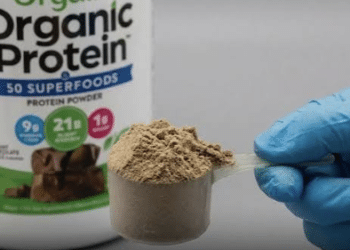
Protein, the backbone of human health, suffered a similar fate. Real protein supports muscle repair, hormone production, immune function, satiety, and metabolic stability, yet the old pyramid relegated it to a small upper tier overshadowed by the massive grain base below it. Worse, it made no distinction between real protein sources and synthetic or highly processed “protein products” that began flooding the market. Protein bars, protein cereals, protein snacks, and plant‑based “protein alternatives” were allowed to masquerade as equivalent to whole foods like eggs, fish, poultry, and beef. Fake proteins, often made from industrial seed oils, chemical binders, flavor enhancers, and ultra‑processed isolates, slipped into the American diet under the guise of health. The old pyramid offered no warning, no differentiation, no hierarchy of quality. It treated real protein and synthetic protein as interchangeable, a mistake the new pyramid refuses to repeat.

The old pyramid didn’t just need updating; it needed a nutritional intervention. It promoted quantity over quality, encouraged Americans to eat more of the cheapest and most processed foods in the supply chain, ignored the dangers of ultra‑processed products, underplayed the importance of protein, reflected industry influence, misrepresented fats, and failed to address the modern health crises unfolding in real time. It treated all foods within a category as equal, creating absurd equivalencies that allowed apple‑flavored cereal bites to count as fruit and soy‑based patties to count as protein. It was a model built on flawed assumptions, outdated science, and a food economy that prioritized convenience over health.
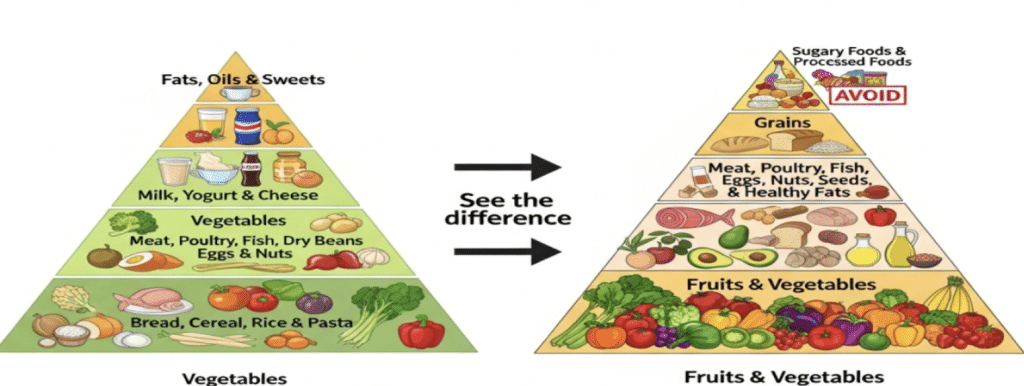
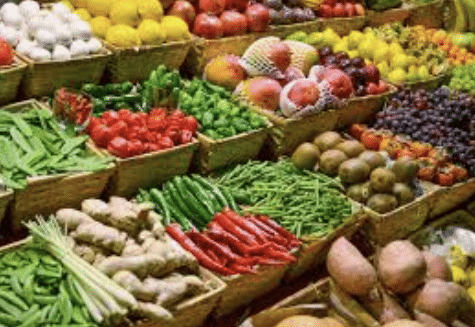
The new food pyramid represents a dramatic shift in philosophy. Real protein takes center stage, with an emphasis on whole animal proteins, eggs, fish, dairy, legumes, and minimally processed sources. Grain intake is reduced, no longer forming the foundation of the American diet. Ultra‑processed foods are finally acknowledged as a major contributor to poor health outcomes. Whole foods are prioritized, and the model aligns with modern nutritional science rather than clinging to carb‑centric dogma. The new pyramid is visually appealing and marketable, but unlike its predecessor, it doesn’t sacrifice accuracy for simplicity.
One of the most significant changes is the explicit move away from synthetic and ultra‑processed protein alternatives. Fake proteins rose to prominence on promises of sustainability and innovation, but beneath the marketing gloss, many of these products were highly processed, chemically engineered, nutritionally inferior, and built on industrial seed oils and additives. The new pyramid’s emphasis on real protein is a direct response to this trend. It acknowledges that a lab‑engineered patty is not nutritionally equivalent to a piece of salmon, that a protein bar is not the same as a handful of nuts, and that a soy isolate burger is not interchangeable with an egg. This shift is not anti‑innovation; it is pro‑honesty.
The release of the new food pyramid marks a cultural reckoning. For decades, Americans were told that low‑fat was healthy, high‑carb was balanced, processed grains were foundational, synthetic proteins were modern, and ultra‑processed foods were harmless. None of this was true. The new pyramid is an admission — subtle but unmistakable — that the old model was built on flawed assumptions, industry influence, and a fundamental misunderstanding of human nutrition. It is also a recognition that Americans deserve better.
Yet the new pyramid faces enormous challenges. The food system is built on processed products, the distribution network is optimized for shelf‑stable goods, the population is conditioned to convenience, corporations are invested in synthetic protein markets, and marketing budgets for processed foods dwarf public‑health campaigns. Changing a diagram is easy. Changing a culture is hard. But the new pyramid gives Americans something they haven’t had in decades: a nutritional model that prioritizes real food, real protein, and real health.
The old food pyramid misled millions. It wasn’t balanced, it wasn’t honest, and it wasn’t designed with the public’s best interests in mind. The new pyramid is not perfect, but it represents a long‑overdue shift toward nutritional clarity. It acknowledges the dangers of ultra‑processed foods, elevates real protein, reduces the dominance of grains, and rejects the synthetic protein trend that quietly infiltrated the American diet. Most importantly, it signals a cultural shift away from convenience‑driven nutrition and toward a more honest, whole‑food‑centered approach. For the first time in a long time, the pyramid is pointing in the right direction, and Americans may finally have a guide they can trust
Thank you for sticking with us as we unpack the big shake‑up behind the new food pyramid. Now it’s your turn—tell us what you think and how these changes hit your plate.