
3/16/26 — 2:00 PM
Senior Editor David Ravo offers this editorial after a subscriber flagged a potentially misleading public‑safety message.
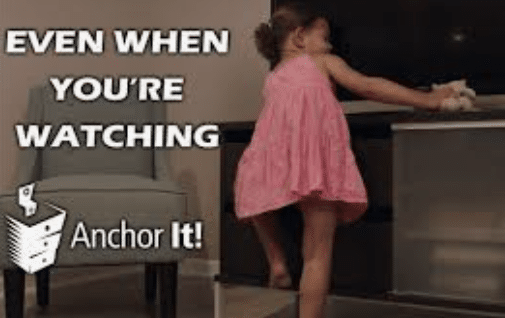
The Anchor It campaign began as a simple warning about unstable TVs and furniture — the kind of safety notice most people scroll past without a second thought. But this one didn’t disappear into the background. It grew, gained momentum, and pushed hard enough that manufacturers were eventually required to include anchors in the box. A public‑awareness campaign became a mandate, and that’s exactly why it deserves a closer look.
The belief that you don’t need to anchor your TV or furniture is one of those quiet, everyday assumptions that feels harmless until you look at the data. The Anchor It campaign began as a simple warning about tip‑overs, the kind of safety message most people scroll past without thinking twice. But this campaign didn’t fade into the background. It grew, it gained momentum, and it forced an uncomfortable truth into the public conversation: most homes are not as safe as people assume.
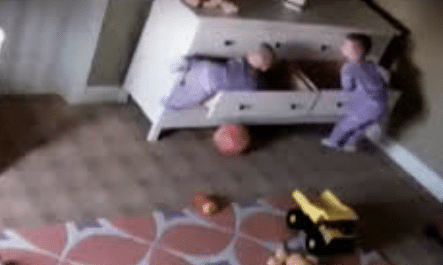
People tend to believe their furniture is stable. They believe their TV stand is heavy. They believe their kids “know better.” They believe their home is safe because nothing bad has happened yet. This confidence feels logical, but it’s misleading. Furniture doesn’t tip because it’s poorly made. It tips because physics doesn’t care about your assumptions. A toddler pulls on a drawer. A kid climbs a dresser. A TV sits slightly forward. A pet jumps. A drawer is left open. It takes one ordinary moment for a heavy object to become a hazard.
The Anchor It campaign confronted that denial directly. It didn’t shame parents or dramatize the issue. It simply showed the reality: tip‑overs happen fast, they happen quietly, and they happen in homes where people believed they were already being careful. The campaign succeeded because it exposed the gap between what people think is safe and what actually is.
Humans are experts at creating a sense of false security. We tell ourselves stories that make us feel in control. “I’ve never had a problem before.” “My kids don’t climb on things.” “That dresser is too heavy to fall.” “I don’t want holes in my wall.” “It’s only temporary.” These aren’t safety assessments. They’re excuses dressed up as logic. And they’re misleading because they ignore the simple truth that risk doesn’t care about your confidence.
The campaign didn’t just raise awareness. It changed behavior. It changed expectations. And eventually, it changed the industry. Manufacturers began including anchors in the box because the pressure became impossible to ignore. A public‑awareness message turned into a mandate. That shift tells us something important: the public’s assumptions were so wrong, and the consequences so serious, that regulators and companies had to intervene.
The psychology behind the resistance to anchoring is predictable. People believe bad things happen to other people. They trust their own judgment more than statistics. They don’t want to damage their walls. They don’t want to deal with hardware. They assume their home is safe because it feels familiar. But familiarity is not safety. Stability is not guaranteed. And confidence is not protection.

The data behind the Anchor It campaign didn’t rely on fear. It relied on facts. Tip‑overs happen more often than people think. They happen faster than people expect. They happen in homes that look responsible, organized, and safe. The campaign didn’t need to exaggerate anything. Reality was dramatic enough. And that’s why the belief that anchoring is optional is so misleading — it’s built on assumptions, not facts.
Even with anchors included in the box, the misleading belief persists. People still think anchoring is unnecessary. They still think their furniture is stable enough. They still think their kids are careful enough. They still think they’ll get to it later. But the physics haven’t changed. The risk hasn’t changed. And the consequences haven’t changed. Anchoring isn’t about paranoia. It’s about acknowledging reality.
The real misleading message isn’t coming from the Anchor It campaign. It’s coming from the quiet, comfortable belief that anchoring is optional. It’s the belief that “stable enough” is safe enough. It’s the belief that “it won’t happen here.” It’s the belief that “this doesn’t apply to me.” These assumptions are the real misinformation — the kind that hides inside everyday life and convinces people they’re safer than they are.
Anchors in the box are progress, but they’re not a solution unless people actually use them. A mandate can change packaging, but it can’t change human nature. That’s why the message still matters. That’s why the campaign still matters. And that’s why the conversation still matters. As long as people believe anchoring is optional, the risk remains.
The Anchor It campaign succeeded because it challenged assumptions. It forced people to rethink something they thought they already understood. It revealed how much the public was misleading itself about safety in the home. And that’s exactly why this topic belongs on Misleading.com. Sometimes the most dangerous misinformation isn’t sensational or political. Sometimes it’s the quiet belief that your home is safe simply because it feels that way.
We’re glad we can help disseminate this kind of critical safety information, especially when it cuts through assumptions and clears up what’s been misleading the public for years. And we want to extend a sincere thank‑you to Carmen Brello, a Misleading.com subscriber who brought this issue to our attention and made this editorial possible.