A new survey sheds light on a surprising trend among baby boomers: they are one of the least likely of generations to maintain daily hygiene habits, with many skipping regular showers and brushing their teeth less often than recommended.
The CDC suggests brushing your teeth twice a day and flossing to remove dental plaque, and there are no official guidelines when it comes to showering. But a recent survey, conducted by Talker Research of 1,000 respondents, looked into cleanliness habits across four generations—Generation Z, millennials, Generation X, and baby boomers.
The survey found that the Silent Generation and baby boomers are the least consistent in their daily washing and toothbrushing routines. While 35 percent of individuals born between 1997 and 2006 wash twice a day, only 9 percent of boomers maintain this frequency.
Newsweek discussed the results with Dr. Michael Genovese, a physician, who said there are many reasons why some people born between 1946 and 1964 may reduce their hygiene habits with age.
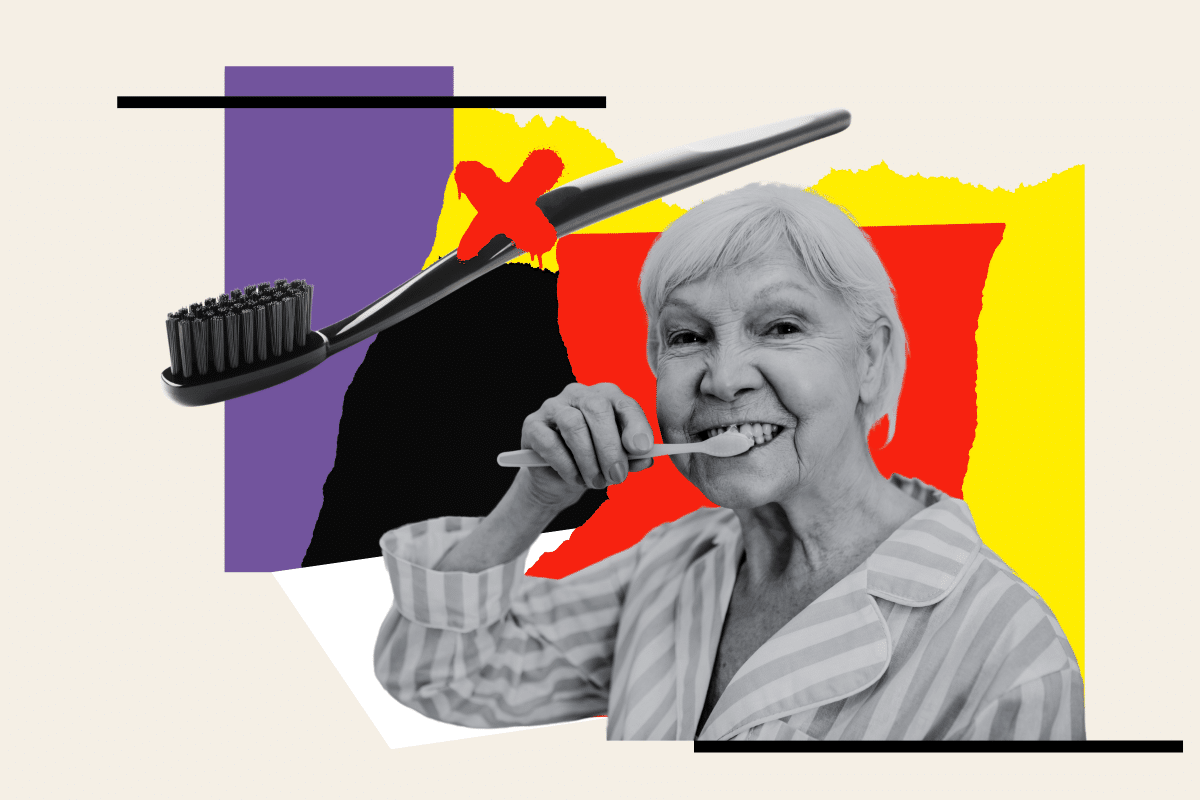
A bespoke image created by Newsweek multimedia team showing a senior woman brushing her teeth.
Photo-illustration by Newsweek/Getty
The recent data states that the Silent Generation (36 percent) and baby boomers (24 percent) wash less than once a day. Meanwhile, 21 percent of all respondents report showering twice a day, with Generation Z leading this group, followed by millennials (26 percent). The survey also found 9 percent of boomers brush their teeth less often than daily.
Genovese said that the following age-related factors may influence their relaxed approach to these habits, compare to younger generations.
Physical Challenges

A headshot of Dr. Michael Genovese. The physician told Newsweek about the potential reasons why boomers are washing and brushing their teeth less.
Ascendant New York.
Around 92 percent of older adults live with at least one chronic condition, according to The American Psychological Association (APA). These include heart disease, cancer, stroke, and diabetes.
Genovese, the chief medical adviser at Acadia Healthcare, a provider of behavioral health care in the United States, added that reduced mobility, arthritis, balance issues, and fatigue can make bathing, washing hair, and grooming exhausting or risky.
Genovese said: “Simple tasks like taking a shower or managing grooming tools can be complex and may result in less frequent self-care.”
Mental Health and Cognitive Factors
The 2024 American Psychiatric Association’s mental health poll reveals rising anxiety among U.S. adults, with 43 percent of 2,200 adults feeling more anxious than the previous year. Baby boomers (aged 50 and over) report lower engagement in mental-health support, with only one in four adults overall seeking professional help, and boomers are less likely than younger adults to do so.
Older adults tend to suffer in silence, and it can affect their hygiene routines.
Genovese said: “Depression, for instance, can make people feel unmotivated to look after themselves, especially in older adults, where symptoms can sometimes be more subtle. Memory challenges, like those seen in dementia, can lead someone to forget basic routines or become overwhelmed.”
Generational and Social Differences
Genovese added: “Many baby boomers grew up in an era when frequent washing wasn’t as culturally emphasized as it is now. Older adults often live alone or have limited social engagement, which may lower their motivation to maintain hygiene.”
Sensory Changes and Health Risks
With age, senses begin to decline meaning people can no longer hear or see like they could in their 20s and 30s. But this isn’t the only thing that changes, said Genovese, who added that there is also a change in the sense of smell or touch.
He said: “This can make older adults less aware of odors or discomfort. Skin becomes more sensitive as we age, so regular washing can sometimes irritate it, and falls in the bathroom become a real fear.”
Health Risks of Poor Hygiene
Genovese told Newsweek that infrequent washing can lead to skin infections and irritations and even aggravate conditions like eczema.
“For Baby Boomers with chronic health issues, maintaining a clean body and environment becomes even more important for overall well-being,” he said, adding that feeling clean and presentable can improve their mood and self-esteem.
He said: “It also encourages older adults to connect socially, which is essential for good mental health. When hygiene is neglected, it may lead to a cycle where mental and physical health decline.”
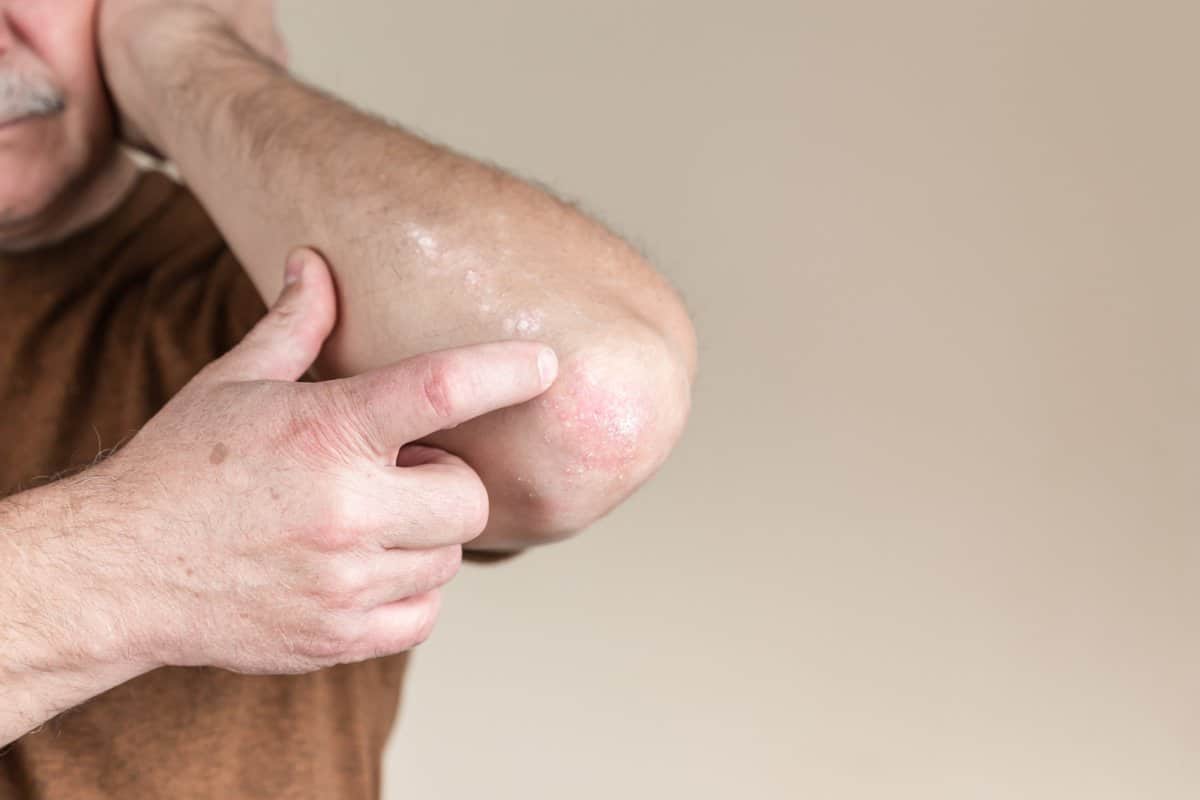
A stock image of a close-up dermatitis on the skin. Infrequent washing can lead to dead skin cells, oils, and bacteria.
logolis/iStock/Getty Images Plus
Addressing Poor Hygiene in Older Adults
People can help older adults by addressing the issue; however, it isn’t always straightforward.
Genovese said: “There are ways to help, from minor bathroom modifications and more accessible products to encouraging regular check-ins with caregivers or loved ones.
“If families notice these changes or feel unsure about approaching the topic, connecting with a health-care provider can provide helpful, personalized support.
“Professionals can offer strategies to meet the specific needs of aging adults and improve their overall quality of life,” Genovese added.
If you have a family dilemma, let us know via life@newsweek.com. We can ask experts for advice, and your story could be featured on Newsweek.