Most Americans are shopping for their new cars online, for hours at a time, before ever setting foot in a dealership, a new study reveals.
Impel, a company that sells an AI-powered customer lifecycle management platform to a global roster of vehicle retailers and original equipment manufacturers, commissioned Pollfish to conduct the study of 1,000 recent new car buyers discovering how their sales journey was impacted by digital and human dealership interactions in August 2024.
The respondents had all purchased a new car in the last three years, with respondents relatively evenly split between buying their vehicle in 2021, 2022, 2023, and 2024.
The sales years 2020-2021 were greatly impacted by the COVID-19 pandemic. This survey covers that time, when digital sales and less consumer-facing test drives were the norm, plus a period of recovery that employs many of the methods honed during the pandemic utilizing new technologies.
Of those that purchased, 60 percent bought a new vehicle and 40 percent opted to lease. Eighty percent of buyers spent less than $50,000 USD on their purchase.
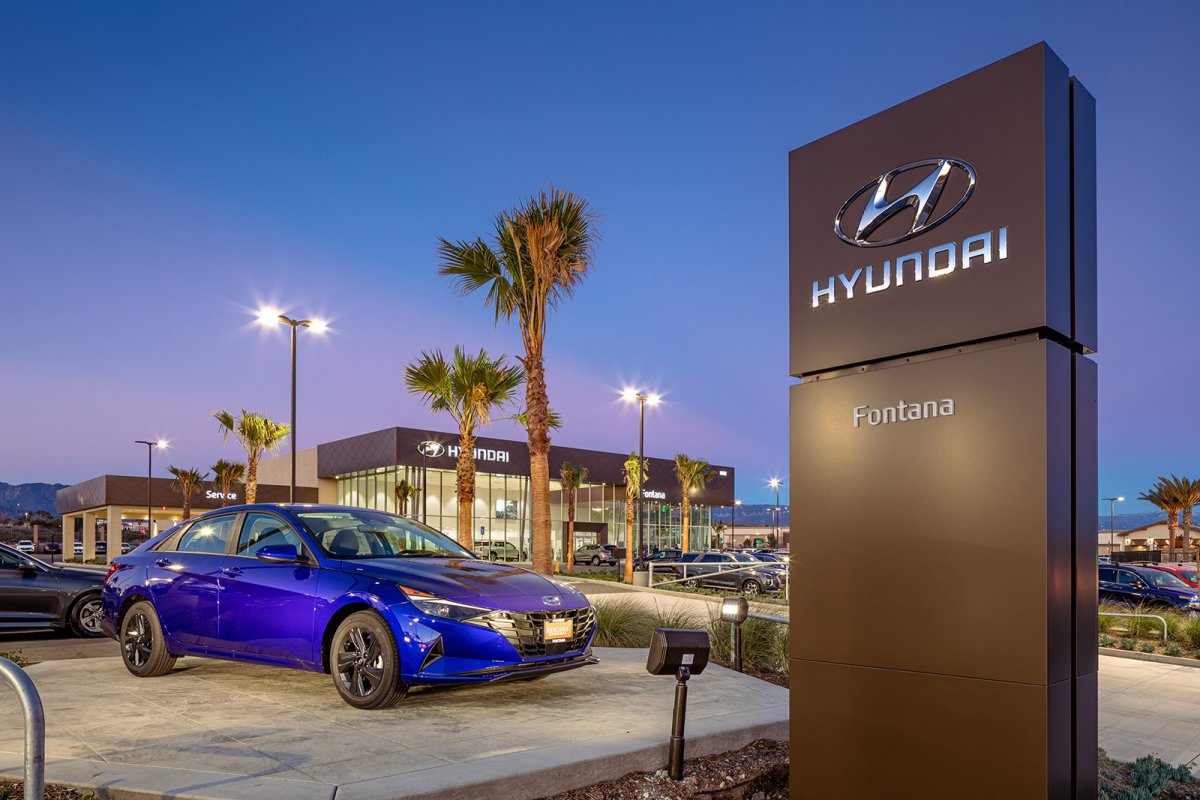
Fontana Hyundai showcases Hyundai’s latest dealership designs in Fontana, California, on January 5, 2022.
Hyundai Motor America
Fifteen percent purchased their vehicle from a company like Carvana or CarMax, while 84 percent said that they purchased directly from a traditional car dealership.
Those interactions, the study showed, were mostly positive. Eighty-eight percent said that their experience on this round of purchase was the same or better than it was in the past.
Much of that satisfaction may have been helped by digitization, resulting in a more informed consumer.
Before buying, most respondents spent at least an hour researching their purchase online. Fifty-four percent spent one to 10 hours of time researching. Twenty-five percent of people spent more than 10 hours scoping out the market.
Based on survey results, the car buyers used their time researching to narrow down their options, including the dealership they wanted to purchase from. And, dealers were able to convert those visits into sales.
Nearly 40 percent of respondents visited no dealerships other than the one that they ended up purchasing from. Twenty-one percent visited one additional dealership, while another 21 percent visited two.
That doesn’t mean that new car buyers weren’t cross-shopping. Twenty-six percent of survey respondents visited four or more dealership websites. Just 23 percent only visited the website of the dealership they ended up purchasing from.
Online chat functionality proved useful to buyers, 89 percent of whom said they were “neutral”, “satisfied” or “very satisfied” by their interactions with chat technology. Most respondents also reported that the chat features were easy to use, helpful and accurate.
Dealership inquiry responsiveness was a key indicator of sales conversion and purchaser satisfaction. The majority of respondents provided contact information to dealerships as part of their search process. Of those that submitted information, nearly 71 percent had a dealership representative from each of the dealers they gave info to follow up with them. Over half received contact from the dealer the same day they submitted their information.
More than 34 percent of respondents said that the dealership they ultimately purchased from was faster to respond to their potential buyer data collection than those they did not purchase from.
Many contacts back from dealers are automated replies. Most survey respondents (66 percent) felt either “satisfied” or “neutral” about those replies.
Though digital shopping plays an important role in the car sales journey, buyers still want to have their bodies behind the wheel before pulling the trigger on a purchase. Nearly 83 percent of respondents took the vehicle they bought at the dealership for a test drive pre-purchase.
“These survey results should serve as a rallying cry for dealerships everywhere. It’s undeniable; customer experience objectively matters to prospective buyers and has a significant impact on their shopping decisions,” Devin Daly, Co-Founder and CEO of Impel told Newsweek.
Artificial intelligence (AI) may be a key to improving dealership interactions and leaving customers even more satisfied than they are now.
Recent Pew Research Center surveys reveal that Americans are “increasingly cautious about the growing role of AI in their lives generally”. The company says that, “Despite these cautious overall views, Americans see some specific uses of AI positively, and attitudes depend a great deal on the context of how and why AI is being used.”
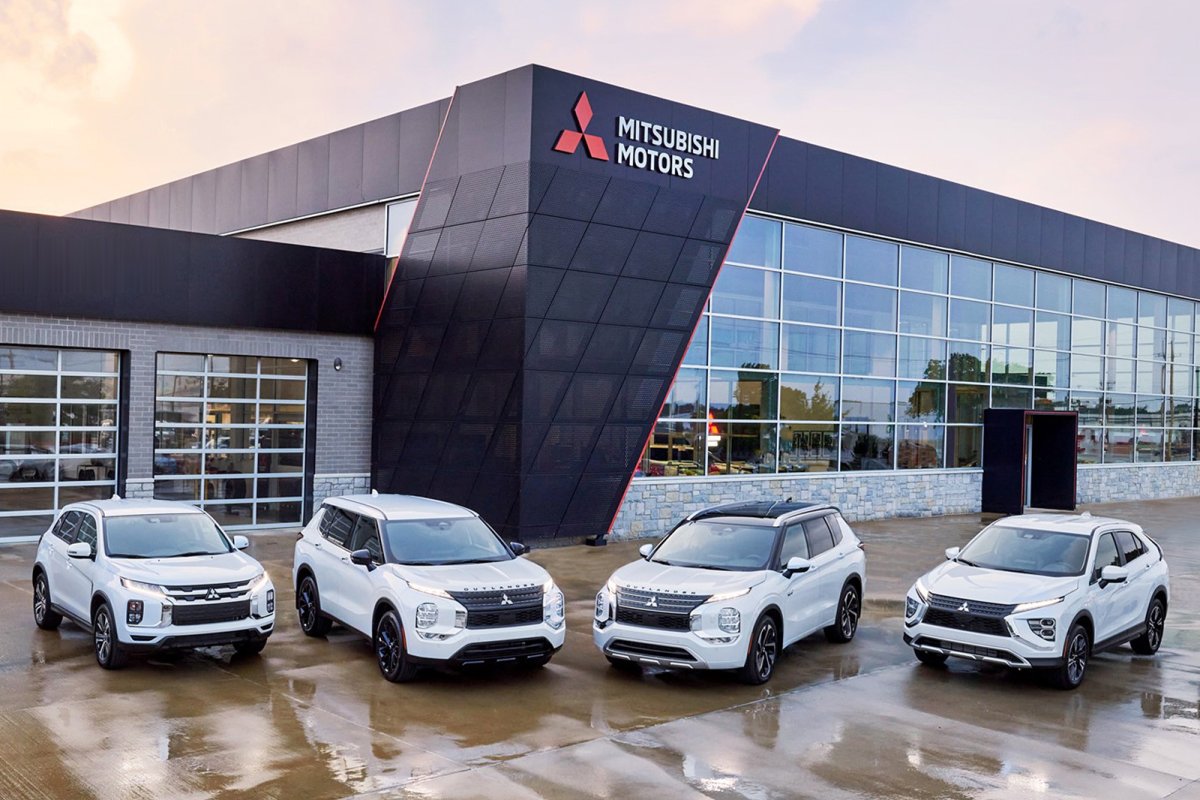
Mitsubishi’s 2025 model lineup outside one of the company’s dealerships.
Mitsubishi Motors
The Impel survey backs up those findings. Of those surveyed, just 25 percent did not want AI to improve the dealership experience in any way. Over 37 percent of them wished for AI implementation to reduce the paperwork involved in car buying and more than 32 percent wanted AI to work to cut the overall time spent at a dealership.
Respondents were most concerned (55 percent) about the lack of a personal touch surrounding the car-buying process. Privacy/lack of trust surrounding AI interactions and inaccurate information were their next highest concerns with 45 and 47 percent of respondents flagging those selections.
“The good news is that generative AI solutions for auto dealers are now readily available and can be seamlessly integrated into virtually every area of their operation,” Daly said.
“Early AI adopters are already generating outsized results from their investments because they directly address customer demands for prompt, accurate responses and consistent follow up to their inquiries. Dealers who are still on the fence with AI need to act fast or they risk falling further behind and creating irreparable harm to their brand,” he said.