
12:50 PM · 2/4/26 — Senior Editor David Ravo takes an unflinching editorial look at Costco’s latest misleading advertising flare‑up — this time involving their famously cheap, fresh‑off‑the‑skewer rotisserie chicken. It’s piping hot, wildly popular, and undeniably delicious… but as the facts keep emerging, that bargain‑bin perfection starts to look a little too good to be true
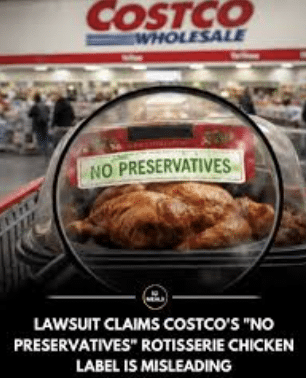
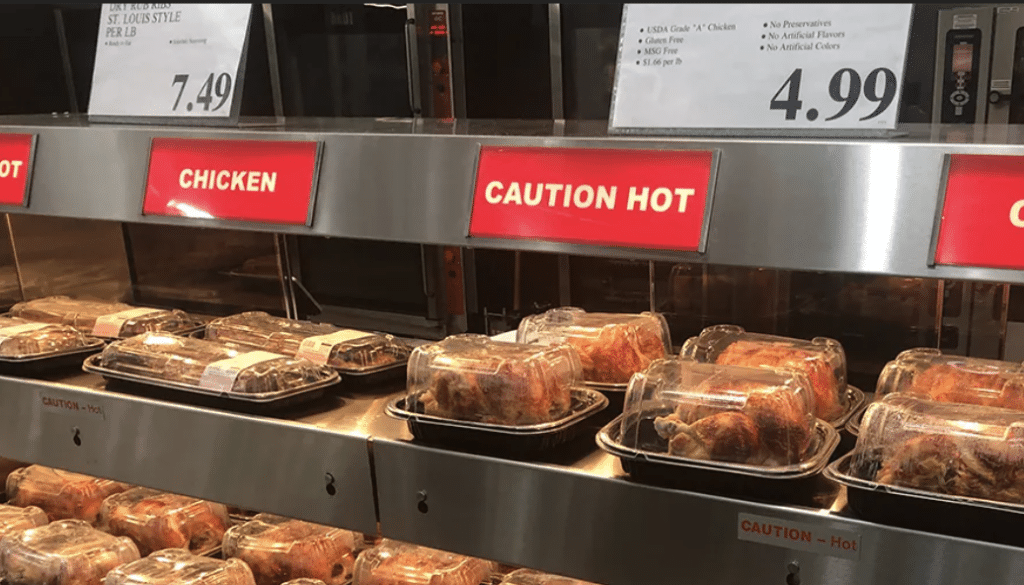
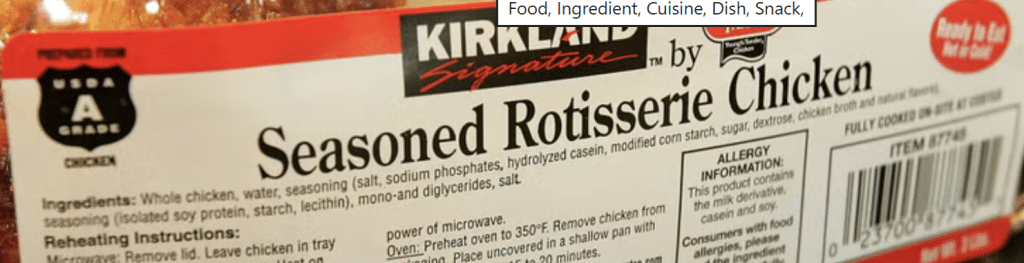
Costco’s $5 rotisserie chicken has long been treated as a kind of American folk hero, a loss‑leader legend that pulls millions of shoppers through warehouse doors with the promise of value, simplicity, and a kind of moral cleanliness that Costco has spent decades cultivating. It’s the item people joke about, plan dinners around, and treat as a symbol of Costco’s supposedly no‑nonsense honesty. But now, a class‑action lawsuit filed in San Diego alleges that the company’s marketing wasn’t just sloppy—it was deceptive. According to the complaint, Costco advertised its rotisserie chicken as “preservative‑free,” a claim that resonated with consumers who increasingly want cleaner, simpler foods. Yet the lawsuit argues that the chicken contains multiple preservatives, including additives that fall squarely under the very category Costco claimed to avoid. If true, this isn’t a minor labeling oversight; it’s a breach of trust from a retailer that built its empire on the idea that it doesn’t play the same games as everyone else.
The issue isn’t the five dollars, the convenience, or even the ingredients themselves—it’s the trust consumers placed in a company that told them one thing while allegedly selling them another. And that’s why this case matters far beyond the walls of any Costco warehouse. It exposes a much broader pattern in the food industry, where companies use vague, feel‑good language to create a health halo around products that don’t deserve it. Terms like “natural,” “wholesome,” “real ingredients,” “farm‑fresh,” and “preservative‑free” have become marketing shortcuts, designed to tap into consumer anxieties about chemicals and industrial food production. They often mean nothing, or worse, they mean something—but not what consumers think. Costco’s alleged misrepresentation fits neatly into a long line of misleading food claims that have shaped the modern marketplace.
Kellogg’s, for example, has repeatedly been challenged for marketing sugary cereals as “healthy” or “wholesome,” tricking parents into believing they were making responsible choices for their kids. Subway faced a wave of controversy when lawsuits questioned whether its tuna was actually tuna, a scandal that revealed how little transparency consumers truly have about what they’re eating. Dozens of brands have been sued for using the word “natural” while including synthetic additives or genetically modified ingredients, a reminder that the term is so loosely regulated it has become almost meaningless. Imported olive oils labeled “extra virgin” were found to be diluted with cheaper oils, honey was discovered to be mixed with corn syrup or ultra‑filtered to the point of losing its traceability, and grated Parmesan cheese was exposed for containing cellulose—wood pulp—far beyond acceptable levels, even as labels claimed “100% Parmesan.” Even Red Bull, whose “gives you wings” slogan became a cultural catchphrase, paid millions after plaintiffs argued that the company implied performance benefits that didn’t exist.
These cases all share the same DNA: companies know that consumers want healthier, cleaner, more transparent foods, and they know that a few carefully chosen words can dramatically increase sales. “Preservative‑free” is one of those magic phrases. It signals purity, safety, and simplicity. If the San Diego lawsuit is correct, Costco used that phrase to sell a story that wasn’t true. And when a company with Costco’s reputation does it, the impact is enormous. Misleading food claims don’t just trick consumers—they distort the entire food system. They punish companies that follow the rules, reward those that push boundaries, and create confusion about what is actually healthy. They erode trust in regulatory agencies and make it harder for consumers to make informed choices. They normalize deception.
Costco’s brand is built on the idea that it doesn’t play games: no coupons, no fake sales, no inflated prices. Just value and honesty. That’s why this lawsuit hits differently. If the allegations are true, Costco didn’t just mislabel a chicken—it violated the principle that makes people choose Costco over other retailers. The $5 chicken is more than a product; it’s a symbol of Costco’s identity. And symbols matter. As the lawsuit moves through the courts, Costco will defend itself, likely arguing that the preservatives don’t count as “preservatives” under certain definitions or that the label was technically compliant. But the bigger question is why a company that prides itself on transparency used a claim that was so easily challenged.
Whether Costco wins or loses, the damage is done. Consumers are paying attention. Regulators are paying attention. And the food industry is once again being forced to confront its addiction to misleading language. Food advertising has become a battlefield of half‑truths, health halos, and carefully engineered phrasing. Consumers shouldn’t need a chemistry degree to understand what they’re buying. They shouldn’t need to cross‑reference ingredient lists with legal definitions. They shouldn’t need to wonder whether “preservative‑free” actually means anything. Costco built its empire on trust. If the San Diego lawsuit is correct, that trust was broken. And when trust breaks, consumers don’t forget. The message to Costco—and to every food company—is simple: don’t mislead. Not on labels, not in marketing, not to the people who put food on their tables and money in your pockets. Because once consumers realize the truth, no amount of “clean” language can wash it away.
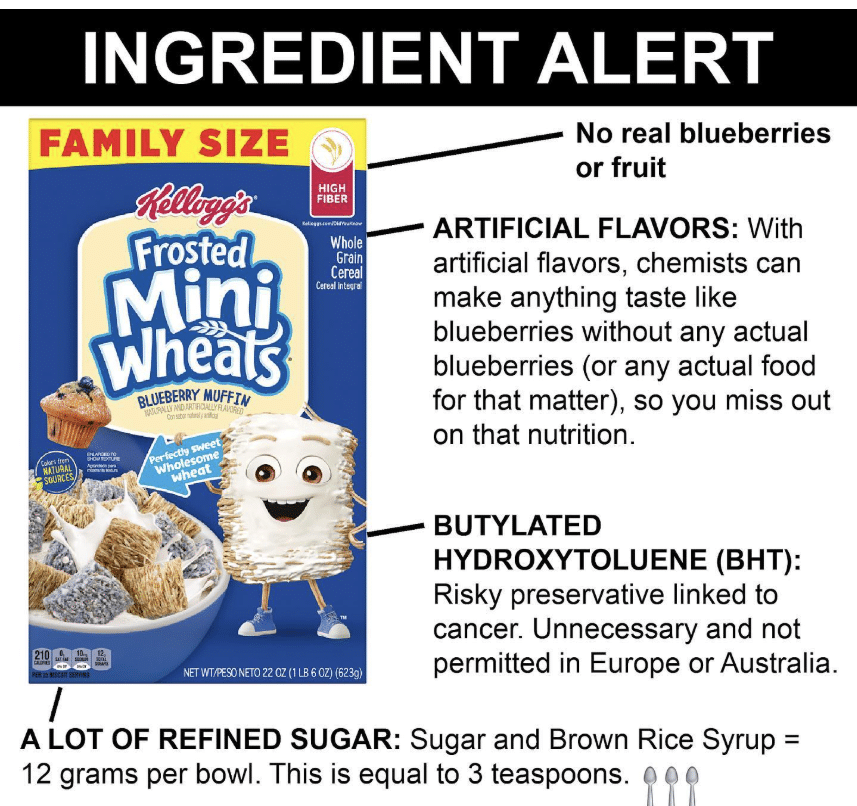
There are no assumptions in the food industry — you’ve got to read the labels. Manufacturers are chasing longer shelf life, higher sales, and bigger profits, and they’ll stretch definitions to get there.
And really… what does “All Natural” even mean anymore?
Misleading.com wants to hear from you.