The Internal Revenue Service (IRS) has urged taxpayers to prepare for natural disasters that could affect their tax filings.
As part of National Preparedness Month and the ongoing Pacific and Atlantic hurricane seasons, the IRS has said taxpayers should ensure they have copies of important documents that are safely kept and keep up-to-date inventories of assets in the event of a natural disaster.
When a federal disaster declaration is made, the IRS has the authority to postpone tax payment and filing deadlines in relevant areas. Numerous extensions have been granted to taxpayers so far in 2024 due to a range of disasters, including storms, tornadoes and flooding caused by extreme weather events.
If you live in an area impacted by a federal disaster declaration, the IRS automatically postpones deadlines, and taxpayers do not need to contact the government agency.
“In the aftermath of a disaster, having updated documents and other information readily available can help victims apply for the relief available from the IRS and other agencies,” the federal government agency said in a release issued on September 3.
“Disaster assistance and emergency relief may help taxpayers and businesses recover financially from the impact of a disaster, especially when the federal government declares their location to be a major disaster area.”
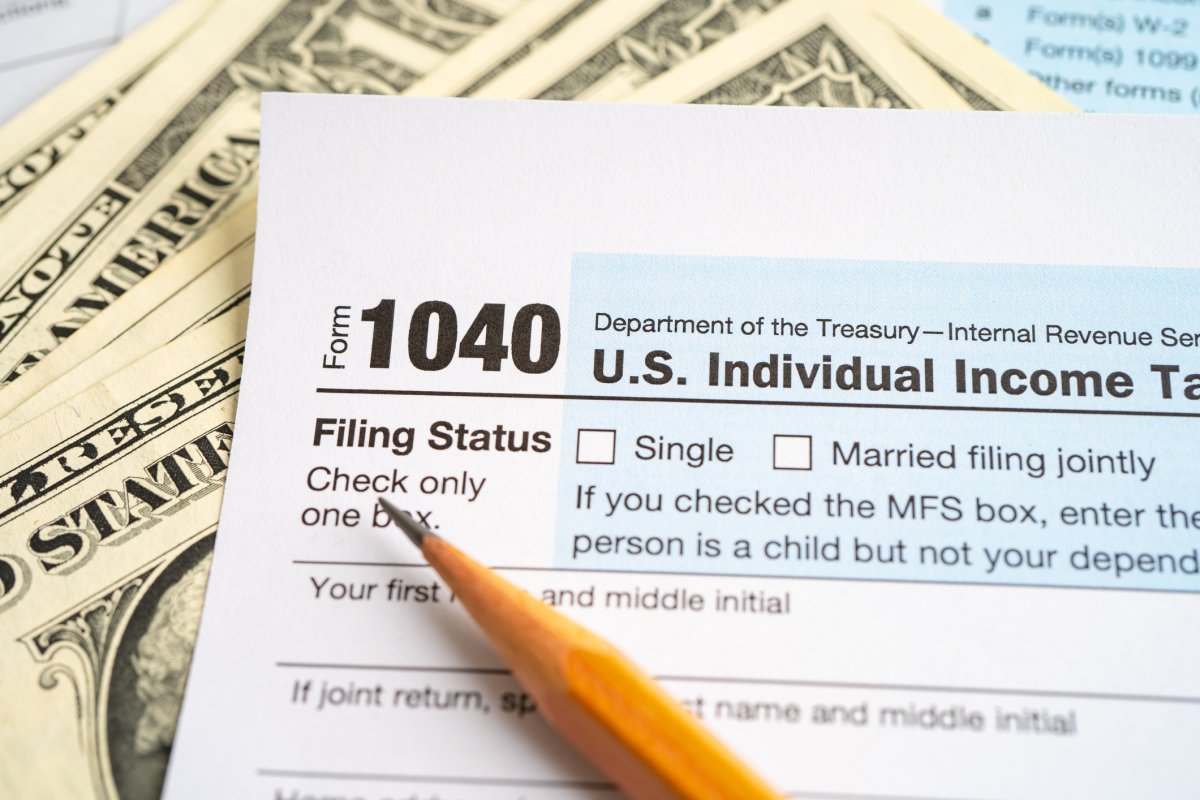
A U.S. Income Tax return rests under a pencil. Taxpayers are urged to take precautions in case they are impacted by a natural disaster.
GETTY
Safekeeping Documents
Tax returns, birth certificates, Social Security cards, deeds, titles, insurance policies, and other essential documents should be kept in a safe place using waterproof and fireproof containers. The IRS also advises having a relative, friend, or another trusted individual keep duplicate copies of these documents at a location outside of any potential disaster area.
For paper documents, the IRS advises scanning or photographing them into a digital file format and storing them in a secure digital location so they can be accessed if original documents are lost or destroyed.
Keeping Inventory
Taxpayers should keep a thorough inventory of your property’s and business’s contents. Taxpayers can document their possessions by taking photos or videos and writing detailed descriptions, including the year, make, and model numbers where applicable.
The IRS disaster loss workbooks can assist in compiling lists of personal belongings or business equipment, which can help in supporting insurance claims or tax benefits in the event of being impacted by a disaster.
Reconstructing Records
In the event that you are impacted by a disaster, taking stock of your records is crucial for when it comes to filing and paying your taxes, getting federal assistance and insurance payouts.
The IRS reminds taxpayers that most financial institutions offer online statements and records, which can help if physical document copies are lost.