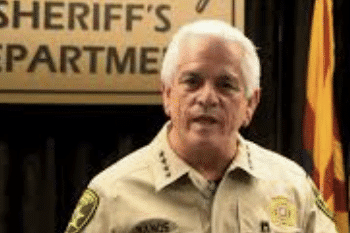
Early in-person voting began on Thursday in North Carolina, a crucial presidential battleground, as the state continues to recover from the devastation of Hurricane Helene.
The hurricane caused massive flooding, leaving many voters without power and access to clean water, particularly in the mountainous western regions of the state.
Karen Brinson Bell, executive director of the North Carolina State Board of Elections, confirmed that more than 400 voting locations were scheduled to open across all 100 counties for the 17-day early voting period.
Of the 80 voting sites in the 25 counties hardest hit by the storm, only four will remain closed. “We lost just a few—despite the extensive damage, loss of power, water, internet and phone service, and the washing out of roads throughout the region,” Brinson Bell said. She praised the efforts of emergency workers and election officials, stating, “It’s an effort all North Carolinians should be proud of.”
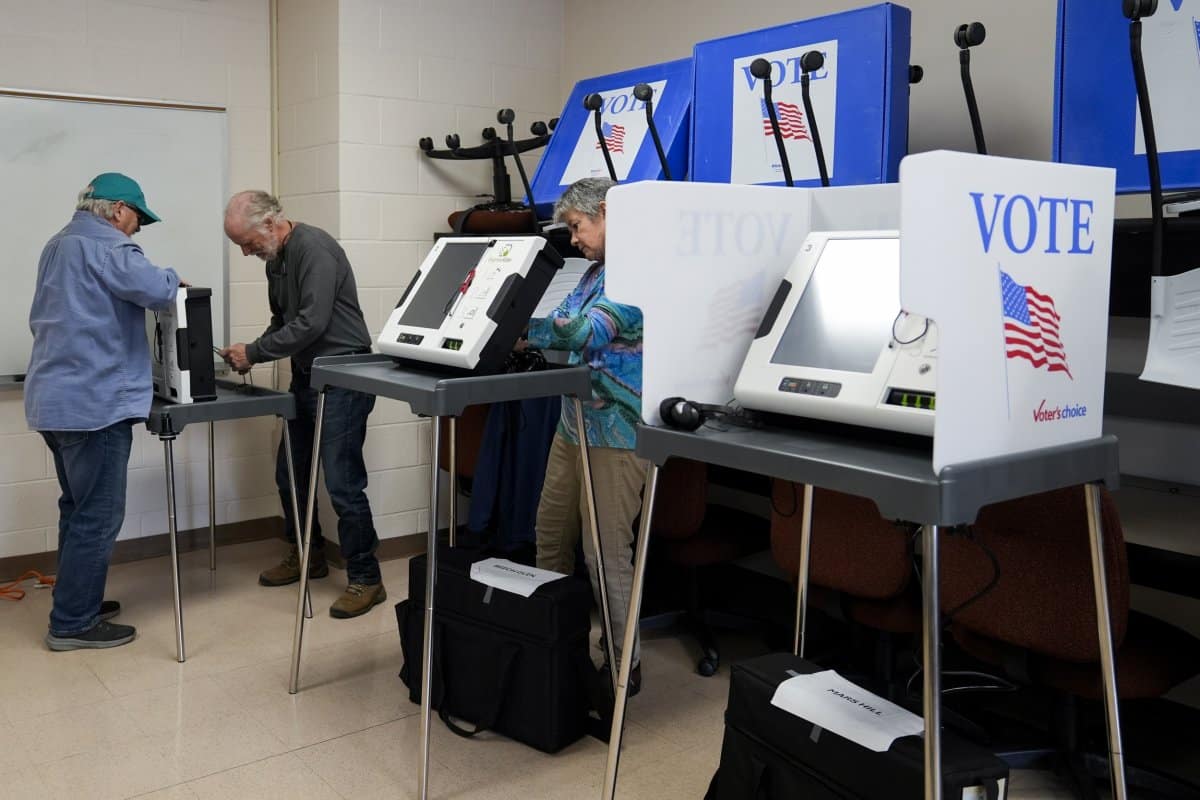
Poll workers set up ballot-marking machines at Asheville-Buncombe Technical Community College, October 16, 2024, in Marshall, North Carolina. On Thursday, early voting began in the battleground state.
AP Photo/Stephanie Scarbrough
Hurricane Helene, which struck the Southeast three weeks ago, severely impacted remote Appalachian towns and caused at least 246 deaths, over half of which were in North Carolina. The storm was the deadliest to hit the U.S. mainland since Hurricane Katrina in 2005.
Newsweek has reached out to the North Carolina State Board of Elections for comment via email.
Early in-person voting is a popular option in North Carolina, with 65% of the ballots in the 2020 election cast this way. In the 2016 election, the figure stood at 62%.
Despite the storm’s damage, Brinson Bell said she does not expect a decrease in early voter turnout. Instead, she suggested it might increase as some voters in affected areas may prefer to vote early rather than wait until Election Day.
Early voting also offers same-day registration, allowing voters to register and cast their ballots simultaneously.
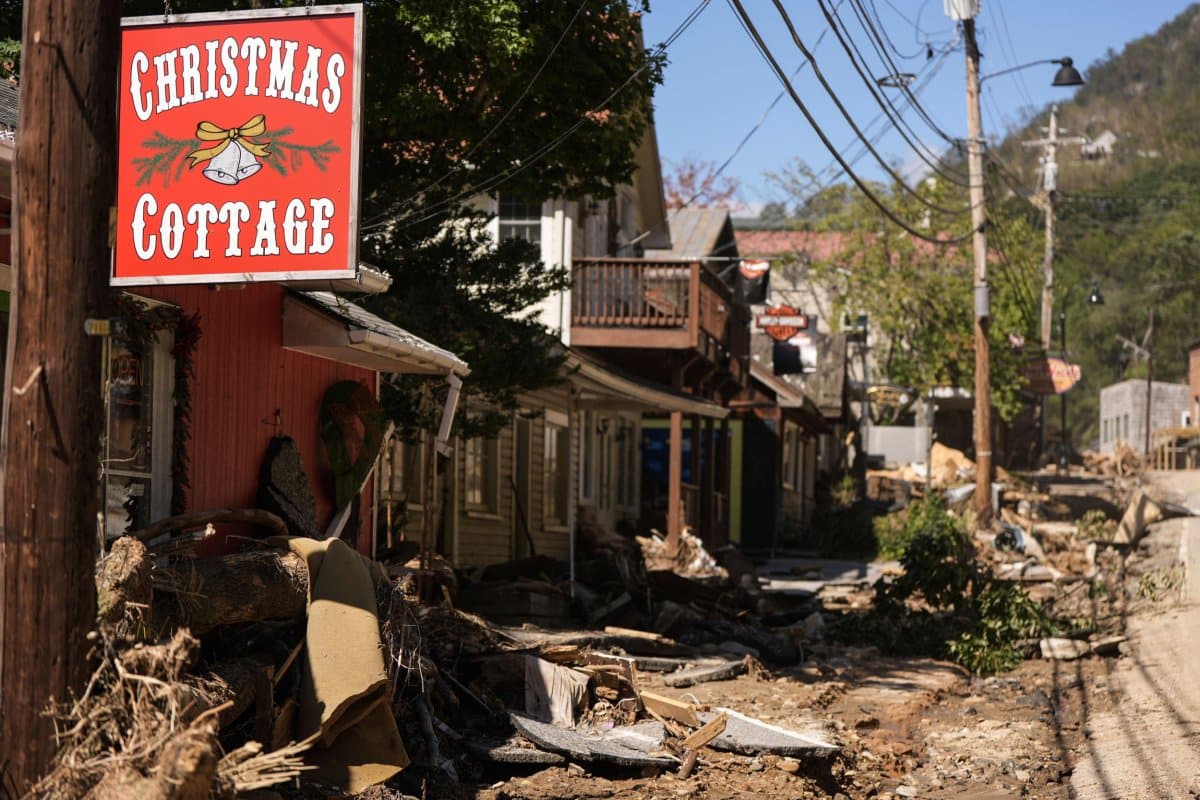
Businesses are seen in a field of debris in the aftermath of Hurricane Helene, October 2, 2024, in Chimney Rock Village, North Carolina. Helene decimated many towns throughout Appalachia.
AP Photo/Mike Stewart
Absentee voting, which began weeks earlier, has already seen more than 60,000 ballots submitted. Voters displaced by Helene are being allowed to drop off absentee ballots at any early voting location in the state.
The significance of early voting has not gone unnoticed by political campaigns.
On Thursday, Democratic vice presidential nominee Tim Walz was scheduled to campaign in Winston-Salem and Durham, joined by former President Bill Clinton. Meanwhile, Republican figures like South Dakota Gov. Kristi Noem and U.S. Sen. Cindy Hyde-Smith of Mississippi are set to appear in Rutherford County as part of the “Team Trump Bus Tour.”
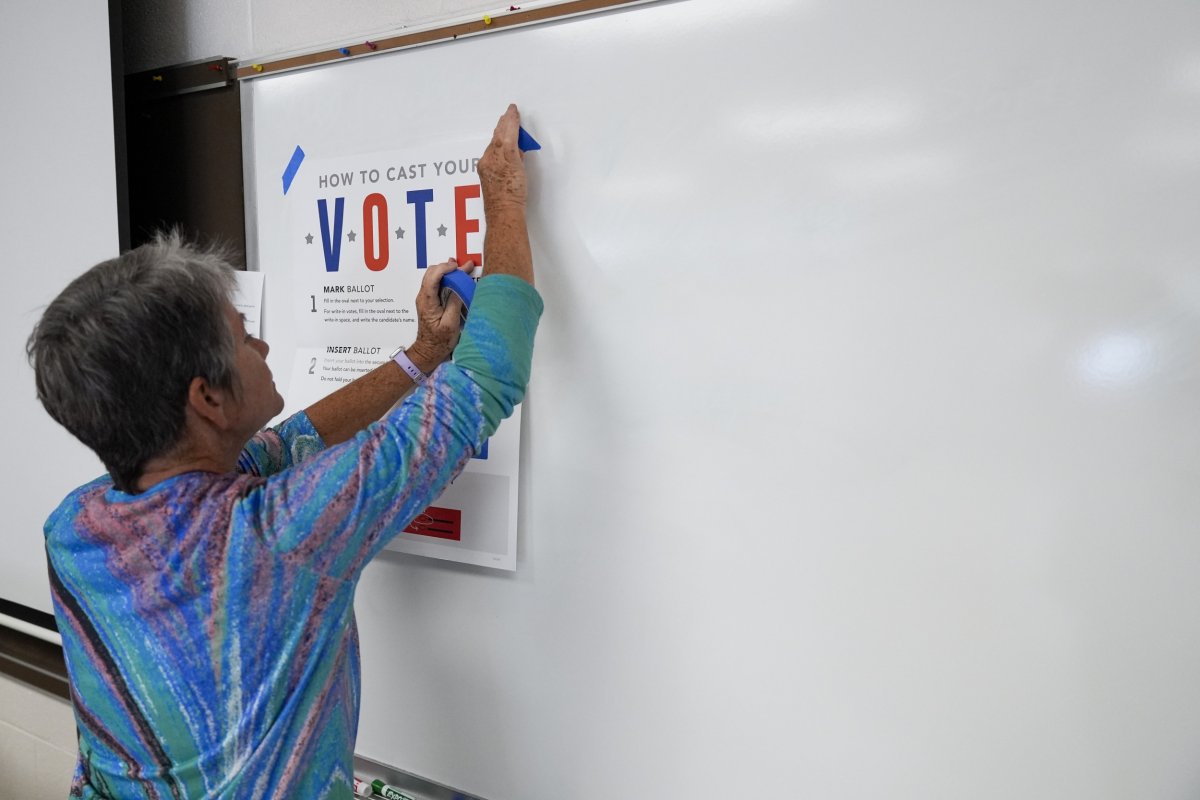
A poll worker hangs up signs at Asheville-Buncombe Technical Community College, Wednesday, October 16, 2024, in Marshall, North Carolina. More than 400 locations in all 100 counties were expected to open on Thursday.
AP Photo/Stephanie Scarbrough
Local election boards have been granted flexibility to adjust voting sites and hours. In Buncombe County, 10 of the 14 planned early voting sites will open. In Watauga County, officials modified voting hours to avoid evening travel, especially for voters and poll workers.
This election marks the first presidential race in North Carolina requiring voters to show photo identification. Voters who lost their IDs due to the storm can fill out an exception form to cast their vote.
The Associated Press contributed to this report