The Social Security Administration (SSA) is making a major change to benefits applications that could potentially impact millions.
The agency announced last week that physical signatures would no longer be required on more than 30 forms. Instead, digital signatures will be accepted on these forms, and 13 forms will no longer require signatures at all.
“The SSA is trying to feel its way into this digital world without compromising security,” Kevin Thompson, a finance expert and the founder and CEO of 9i Capital Group, told Newsweek. “The need for digital signatures should speed up the processing times and automate processes that should have been automated years ago.”
The SSA said the change aims to simplify the application process and remove a potential reason that claims are sent back or denied for Americans.
“Across forms that Americans use most often, we’re eliminating as many pain points as possible, from helping people sign at the click of a button to reducing the need to drive or mail something in whenever possible,” said Martin O’Malley, Commissioner of Social Security in a statement. “This means faster and more error-free processing and better service for our customers, who deserve a government that meets their needs efficiently and effectively.”
Previously, forms that required a physical signature made up 90 percent of the most commonly used forms in field offices. Roughly 14 million of these signed forms are submitted annually.
“It’s a step in the right direction,” Alex Beene, a financial literacy instructor for the University of Tennessee at Martin, told Newsweek.
“There are many other industries that deal with sensitive personal information that have made the leap to being mostly or all digital in signature attainment, and it’s worked very well. Having more forms available for digital signature fulfillment makes the process easier on the part of the customer and the administration, especially considering how SSA has had to deal with significant cuts to their workforce over the last decade.”
Forms that no longer require signatures at all represent one million submissions yearly, including the Medical Source Opinion of Patient’s Capability to Manage Benefits, the Letter to Employer Requesting Wage Information and Request for Reconsideration/Disability Cessation Right to Appear.
Moving forward, the signature requirement could be removed from other forms as well. The agency has already expanded its paperless communications for millions of “my Social Security” users. That includes online statements, tracking claims status and their calculations of retirement benefits.
Still, Drew Powers, the founder of Illinois-based Powers Financial Group, said the transition to signature-less forms could open the door to fraud for some seniors.
“This change is not without its pitfalls, however,” Powers told Newsweek. “Seniors will have to be even more vigilant to protect their online identities to avoid fraudulent activity by scammers and hackers.”
The SSA is facing underfunding and antiquated technology, Thompson said, which has previously contributed to processing time delays.
“This should have a positive impact in processing times and turnaround on receiving benefits,” Thompson said. “The additional benefit will be that many of the new beneficiaries have grown accustomed to the digital age and are likely more involved with computers than the much older Baby Boomers. “
As long as the overall system can handle the additional weight of applicants, Thompson said this will be positive for the program’s overall accessibility.
“The bottom line, the SSA has to become more streamlined and automated to allow for a more effective program,” Thompson said.
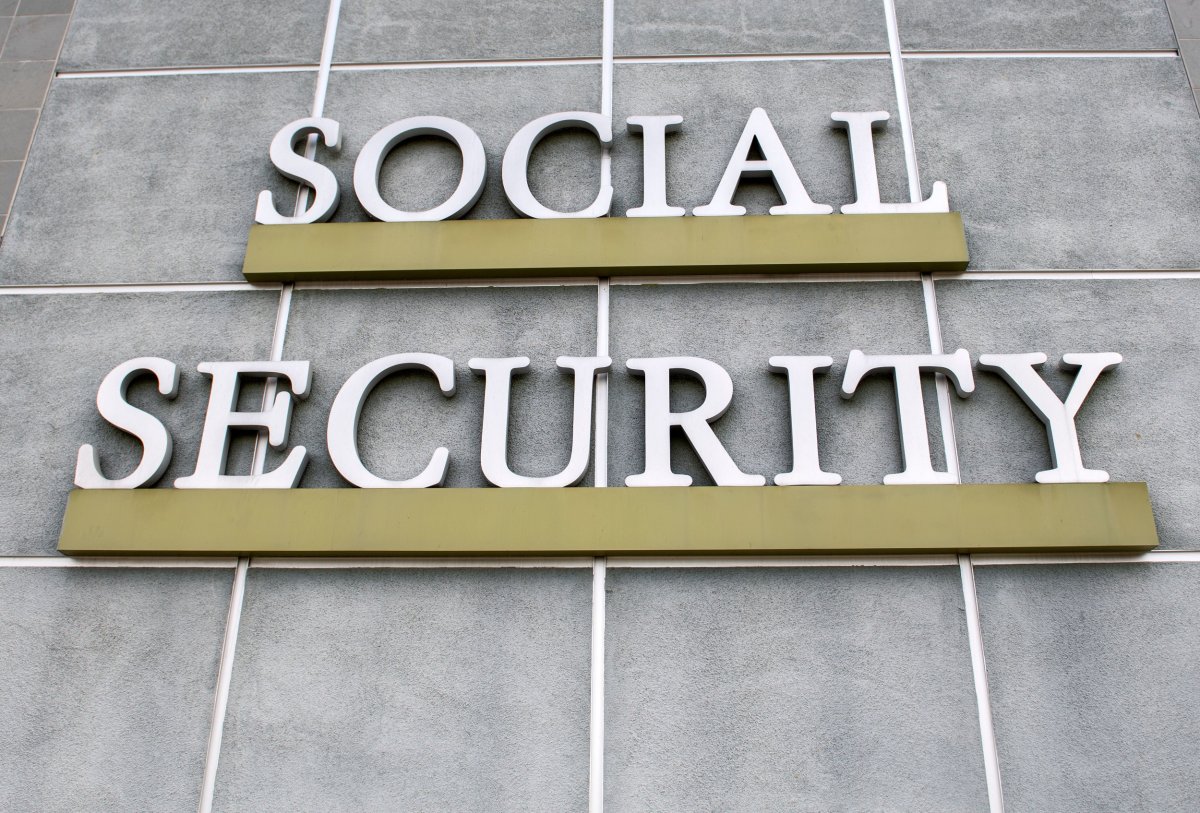
A sign is seen outside a US Social Security Administration building, November 5, 2020, in Burbank, California. The Social Security Administration is removing its physical signature requirements from various forms.
VALERIE MACON/AFP via Getty Images