
Decker McCullough Editorial – 12/28/26, 7:00 PM
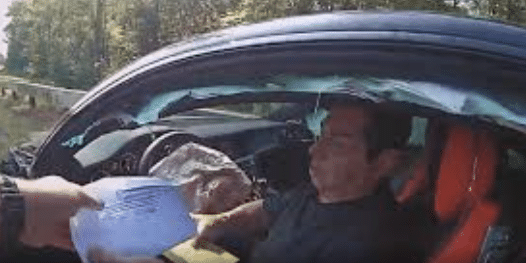
Vince McMahon was reportedly fleeing police at extreme speeds, slamming into the back of another vehicle at over 100 mph, ricocheting into the center divide, and triggering a second crash in the opposite lanes—yet no field sobriety test was administered. That omission is not just unusual; it’s misleading. In a situation this reckless and dangerous, whether the driver appeared impaired is irrelevant. The real question is why such a basic, standard procedure was skipped entirely.
The Vince McMahon accident in his Bentley GT,, raises a question that should not require any special insight to ask: how does a driver who was reportedly fleeing police at extreme speeds, slamming into the back of another vehicle at over 100 miles per hour, ricocheting into the center divide, and triggering a second crash in the opposite lanes, walk away from the scene without a field sobriety test?
This is not a minor oversight. It is not a procedural footnote. It is a decision that creates a misleading appearance of selective enforcement, and it undermines the public’s trust in the neutrality of law enforcement. Whether the driver appeared intoxicated is irrelevant. Field sobriety tests exist precisely because appearances can be deceiving. They are a standard, routine, expected step in any situation involving reckless driving, collisions, or suspected impairment. When a driver causes a chain‑reaction crash at triple‑digit speeds while fleeing police, the public expects protocol to be followed. They expect accountability. They expect the same treatment any ordinary citizen would receive under the same circumstances. When that expectation is not met, the absence becomes its own story.
Law enforcement agencies often emphasize that policing is not just about enforcing the law; it is about maintaining public trust. But trust is fragile. It is built on the belief that the rules apply equally to everyone, regardless of wealth, fame, or influence. When a high‑profile individual is involved in a violent, high‑speed crash and no sobriety test is administered, the public is left to fill in the blanks. And the blanks are rarely flattering. The optics are simple: a well‑known figure, a dramatic and dangerous incident, a skipped procedure, and a public left wondering why. Even if the explanation is benign, even if officers genuinely believed impairment was not a factor, the decision not to test creates the appearance of preferential treatment. In policing, appearance matters almost as much as reality.
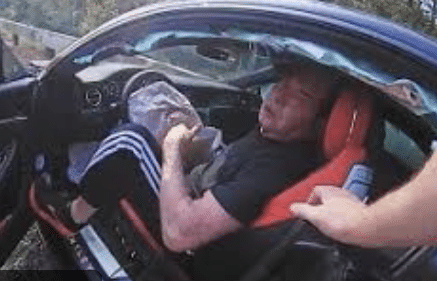
Field sobriety tests are not exotic tools. They are not rare. They are not reserved for special circumstances. They are standard, routine, and expected. They exist to protect the public, to protect officers, and to protect the integrity of investigations. They also exist to protect the driver. A properly administered test can confirm sobriety just as easily as it can confirm impairment. It is a neutral fact‑finding tool. When it is skipped, the neutrality disappears. In the McMahon case, the absence of a test does not just raise questions about the driver; it raises questions about the system itself. It raises questions about consistency, fairness, and whether the rules bend when the person involved is someone with name recognition.
This is not the first time the public has watched a high‑profile figure walk away from a dangerous incident without the kind of scrutiny an ordinary person would face. Over the years, several celebrity cases have sparked similar debates about whether fame, influence, or public visibility can soften the edges of law enforcement procedure. These cases differ in facts and outcomes, but they share a common thread: the public perception that celebrity status influences law enforcement decisions. That perception, whether accurate or not, damages trust.
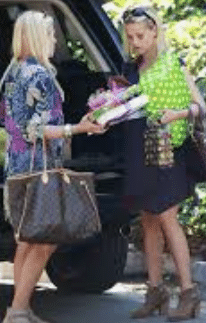
One example often cited is the 2013 incident involving Reese Witherspoon and her husband in Atlanta. Her husband was arrested for DUI, and Witherspoon was arrested for disorderly conduct after interfering with the officer. The incident became famous not because of the charges, but because of the video in which Witherspoon repeatedly invoked her celebrity status, asking the officer if he knew who she was. The officer did not bend, but the public reaction revealed something important: people expect celebrities to try to leverage their status because they believe it often works. The belief itself is the problem. It shows how deeply the idea of unequal treatment is embedded in the public consciousness.
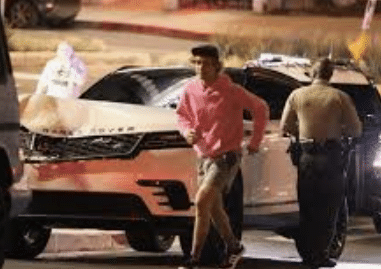
Another example is Justin Bieber’s 2014 Miami arrest, which became a national spectacle. Later reporting raised questions about whether the initial police narrative matched the evidence. Breath tests showed low alcohol levels, and video footage contradicted some early claims. The case became a symbol of how celebrity incidents can become distorted—sometimes in favor of the celebrity, sometimes against them—but always in ways that erode trust in the process. When the public sees inconsistencies, they assume influence. When they see influence, they assume corruption. And when they assume corruption, trust collapses.
Caitlyn Jenner’s 2015 Malibu collision is another case that sparked debate. Jenner was involved in a fatal multi‑vehicle crash, and while investigators ultimately declined to file charges, public discussion centered on whether Jenner received gentler treatment because of fame. Even when law enforcement follows procedure, the public perception of celebrity influence can overshadow the facts. The perception becomes the story. The story becomes the narrative. And the narrative becomes the belief that the rules are flexible for some and rigid for others.
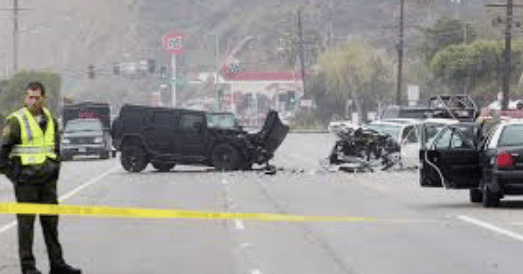
The McMahon case feels different because the absence of a field sobriety test is not a detail buried in paperwork; it is the central issue. It is the vacuum that draws attention. It is the silence where a procedure should have been. When a driver is allegedly fleeing police at extreme speeds, crashes into another vehicle at over 100 mph, ricochets into a divider, and causes a second accident, the public expects a full evaluation. Not because they assume guilt, but because they assume procedure. Skipping that step creates a misleading appearance of leniency. It suggests that the rules are flexible, that enforcement is negotiable, that some individuals are handled differently.
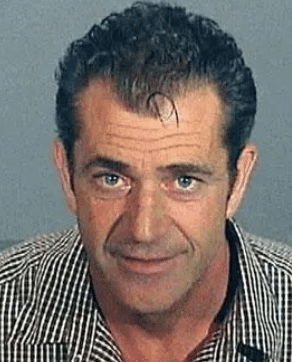
Mel Gibson’s 2006 DUI stop is another example that lingers in the public memory. The arrest became infamous not just for the incident itself but for the leaked reports of preferential handling and attempts to downplay the severity of the situation. The controversy reinforced the belief that celebrity status can shape the tone, the documentation, and the aftermath of police encounters. It showed how even the suggestion of special treatment can overshadow the facts and damage the credibility of law enforcement.
When law enforcement fails to follow standard protocol, several consequences follow. Public trust erodes. People begin to believe that justice is selective. Investigations weaken because missing data points create gaps that cannot be filled later. The credibility of the officers involved is questioned, even if their intentions were good. And the broader system suffers because every skipped step becomes another example in the growing narrative of unequal treatment.
The public does not expect perfection from law enforcement. They do not expect every decision to be flawless. But they do expect consistency. They expect transparency. They expect the rules to apply equally to everyone. When a high‑profile individual is involved in a violent, reckless, multi‑collision incident and no sobriety test is administered, the public sees a double standard. They see a system that bends for some and breaks for others. They see a process that is supposed to be neutral but appears to be influenced by status.
The McMahon accident is not just a story about a crash. It is a story about perception, trust, and the fragile relationship between the public and the institutions meant to protect them. It is a reminder that the appearance of fairness is as important as fairness itself. When procedures are skipped, when steps are omitted, when decisions are made that deviate from standard practice, the public notices. And once they notice, they do not forget.
The question is not whether Vince McMahon was impaired. The question is why the officers on scene chose not to perform the test that would have answered that question definitively. The question is why a standard procedure was skipped in a situation that demanded thoroughness. The question is why the public is left to speculate. And the question is how many more times the public will see similar situations before the system acknowledges that perception matters as much as outcome. Misleading it is, we want to hear from YOU!