Blending families can be a joyful experience, but often comes with its own set of challenges—especially for stepmothers.
Nicole Sodoma, a Charlotte-based divorce attorney and author, is determined to ensure the emotional labor involved in the role doesn’t goes unnoticed gets misunderstood. Having navigated the journey of becoming a stepmother herself, Sodoma spoke to Newsweek about the complexities and rewards of balancing relationships in a blended family.
Sodoma, 49, became a stepmother when she remarried a man with two children from his previous marriage. She said te process of integrating into their lives was not what she initially expected.
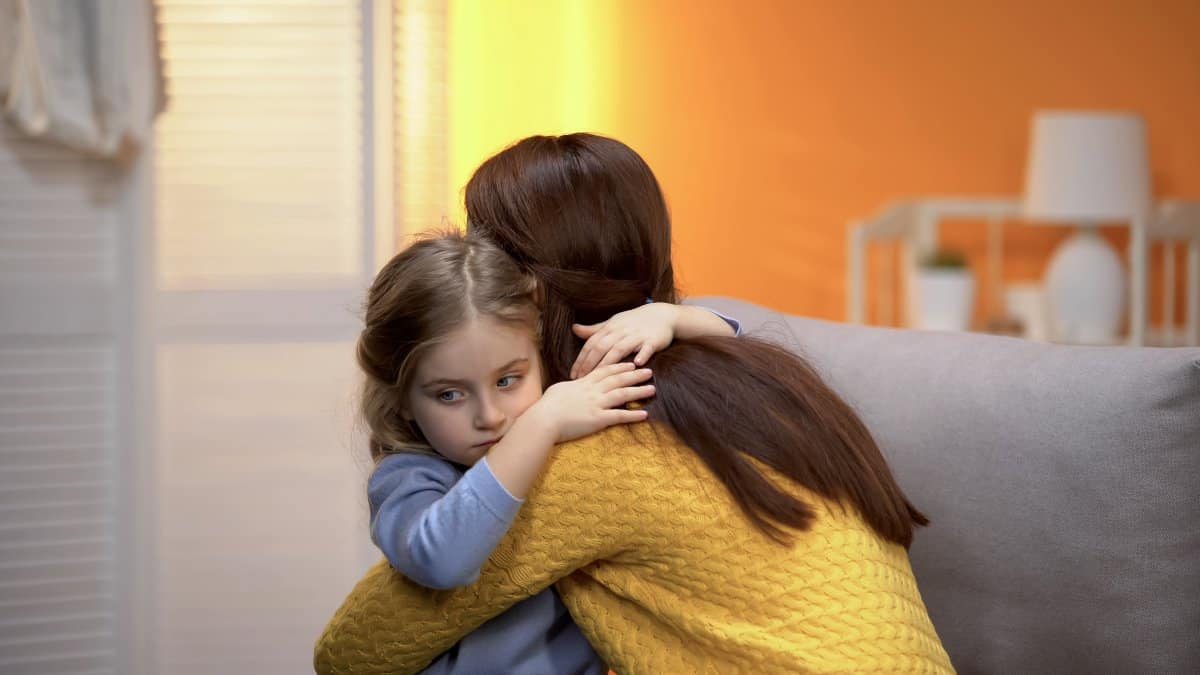
A woman hugs a child. Divorce attorney and stepmother, Nicole Sodoma, spoke to Newsweek about the unseen labor she believes stepmothers bear.
Motortion/Getty Images
“I tried to take on the role of the ‘cool aunt,’ hoping it would ease the way for me to integrate into their lives,” Sodoma said. But, she said she later discovered that her stepchildren were not looking for an extra friend, but a stepmom who could establish boundaries and build a meaningful connection.
“Over time, I had to adjust my approach, focusing on setting clear expectations and fostering open communication that we all could understand and respect—which was a two-way street,” Sodoma said. “The journey has been one of growth and learning, and it continues to evolve as our relationships deepen.”
The invisible work of stepmothers
Stepmothers like Sodoma must balance the needs of their own children with those of their stepchildren, while navigating the unique dynamics of blended families—not many recognize the type of effort this takes, she said.
“The emotional work of managing relationships and navigating complex family dynamics can be invisible,” Sodoma said. “This includes everything from adjusting parenting styles to managing schedules and mediating conflicts. Stepmothers also frequently take on logistical tasks, like coordinating activities or handling school issues, which can go unrecognized.”
Even beyond the practical work, she also pointed to the constant emotional work of maintaining a family familiar with flux.
“The emotional toll of striving to create harmony and the constant need to prove ourselves in our roles can be overlooked by those who don’t experience it firsthand,” she said. “For stepmothers, the constant need to prove [ourselves] can be emotionally taxing.”
Finding joy in the role
Despite the challenges, Sodoma maintained that she finds deep satisfaction in her role as a stepmother.
“I cherish the moments when I can connect with my stepchildren and see them thrive,” she said.
For her, what makes the role special is the opportunity to build relationships from the ground up, and craft a unique family dynamic that blends different perspectives and experiences.
Data from the National Longitudinal Study of Adolescent to Adult Health backs up Sodoma’s claim that step-motherhood can be profoundly meaningful. The research showed that a resident stepmother forms stronger bonds with a non-biological child than a nonresident biological mother.
“It’s rewarding to be a positive influence and to offer support in ways that complement their existing family structure,” she said. “Each milestone and shared experience adds depth to our bond, making the role both challenging and profoundly fulfilling. It may not always be easy, but it’s worth it.”
Advice for struggling stepmothers
Sodoma has worked to create and maintain the kind of stepmotherhood she and her family need. For others who are just beginning their journey, though, Sodoma had some advice.
“It’s crucial to understand that blending families takes time and that each member, including you, needs space to adjust,” she said. “Set realistic expectations for yourself and the relationships you’re building. Focus on establishing trust and being consistent in your interactions. Don’t be afraid to communicate openly with your partner and seek support from others who have navigated similar transitions.”
For challenges that seem more chronic or insurmountable, Sodoma recommended professional counseling. But first, it’s important that a stepmother ensures she is taking care of herself, too.
“Taking care of your own emotional and mental well-being is paramount, particularly when blending families,” she said. While the challenges can feel overwhelming at times, Sodoma encouraged stepmothers to find space to process their emotions and focus on the joy that comes from creating new family bonds.
It’s simple, really. Sodoma said the more children feel “seen, heard, and loved,” the more they will thrive—whether in a blended family or not. And while stepmothers may often carry the weight of emotional labor behind the scenes, the impact they have on their families is far from invisible.