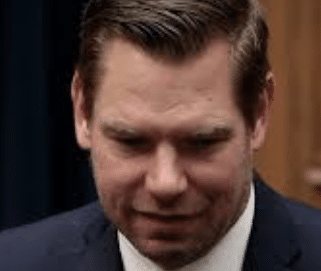

4/15/26 8:05 PM · Contributor Cynthia McCallum — As new allegations erupt, critics are lining up with a familiar question: did Eric Swalwell mislead the public about his conduct, or are we watching yet another political storyline twist under pressure? The commentary is loud, the scrutiny is sharper than ever, and the déjà vu is impossible to ignore. Buckle up — this one is already running hot.
As a woman, it is difficult to confront yet another set of allegations involving a public official and the women who say they were harmed. Multiple accusers have come forward with claims against Eric Swalwell, ranging from inappropriate conduct to serious allegations of sexual assault. Each account reflects a different experience, but together they describe a pattern that critics argue raises significant concerns about power, vulnerability, and accountability.
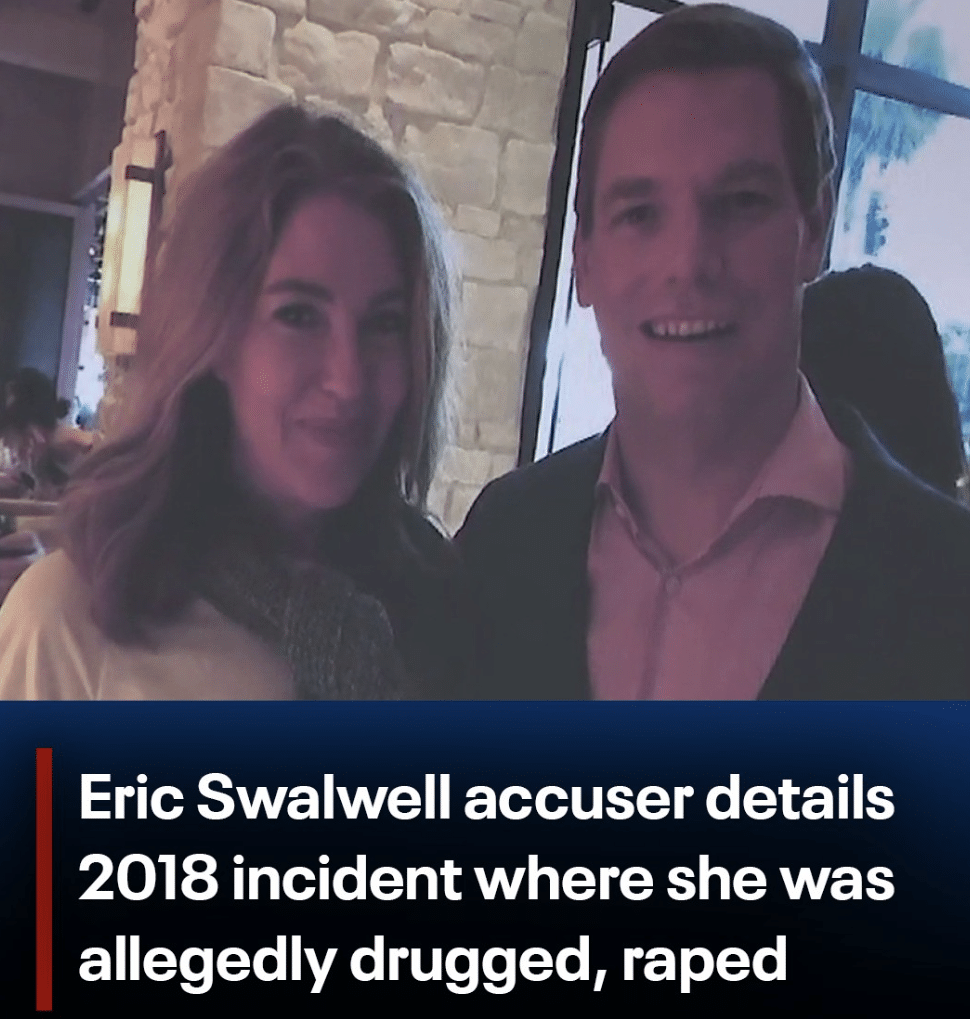
One allegation comes from Lonna Drewes, a former model and owner of a fashion‑related software company. Drewes has stated that in 2018, during an encounter in a Southern California hotel room, Swalwell allegedly drugged and choked her. Her account has been shared through public statements and legal filings, and she has described the incident as deeply traumatic.
Another woman, Ally Albrecht, a former student who met Swalwell in Washington, D.C., has said that he invited her to a hotel room. She declined the invitation and later characterized the interaction as inappropriate, citing the imbalance of power between them at the time.
A third allegation comes from a former staffer who worked for Swalwell for two years. She has alleged that in 2024, during a trip to New York, Swalwell sexually assaulted her in a hotel room when she was too intoxicated to consent. Her account has been presented through legal channels and public statements.
These allegations have intensified public discussion about the responsibilities of elected officials and the risks faced by individuals who come forward with accusations against powerful figures. Critics argue that the combination of political influence, public visibility, and institutional protection can create an environment where victims fear retaliation or disbelief. Supporters of the accusers say that these cases highlight the ongoing challenges women face when reporting misconduct by individuals in positions of authority
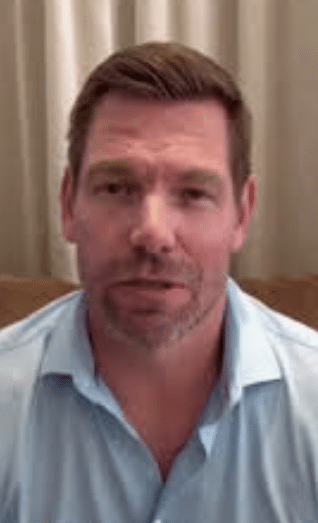
Public reporting on Eric Swalwell’s interactions with an alleged Chinese intelligence operative has generated years of debate, scrutiny, and speculation. Commentators across the political spectrum have argued that the situation illustrates how vulnerable public officials can be to manipulation, while critics have questioned whether Swalwell exercised poor judgment or was simply caught in an unfortunate set of circumstances. According to reporting from outlets such as Axios, the FBI informed Swalwell in 2015 that a suspected intelligence operative had attempted to cultivate relationships with several local and national politicians. Critics have argued that the episode raises questions about how elected officials manage personal and political relationships, while others have noted that the FBI did not accuse Swalwell of wrongdoing and that he reportedly cut ties after being briefed. This divide has fueled the ongoing debate: some commentators frame him as careless, while others describe him as someone who happened to be targeted in a broader foreign‑influence effort.
The Swalwell case often resurfaces in discussions about political vulnerability because it sits at the intersection of personal conduct, national security, and public trust. Critics who believe he exercised poor judgment point to the optics of the situation and argue that elected officials must maintain heightened awareness of who seeks access to them. Supporters counter that foreign intelligence services routinely target rising political figures and that being approached does not imply misconduct. This tension—between critics who see negligence and those who see misfortune—has kept the story alive long after the FBI closed its involvement. Commentators note that the ambiguity itself is what fuels public suspicion, because the public rarely receives full visibility into counterintelligence briefings or the private interactions of elected officials.
The broader context is that allegations of misconduct, inappropriate relationships, or abuses of power have affected politicians across the ideological spectrum. Public reporting on former Representative Anthony Weiner, for example, documented a series of scandals involving inappropriate communications that ultimately led to criminal charges. Commentators have pointed to his case as an example of how personal behavior can escalate into legal consequences and permanently damage public trust. Similarly, former New York Governor Andrew Cuomo faced multiple allegations of inappropriate behavior toward women, which were investigated by the New York Attorney General’s office. The resulting report concluded that he had engaged in conduct that violated state and federal law, though Cuomo denied wrongdoing. The case became a national flashpoint, with critics arguing that it demonstrated how power imbalances can silence or intimidate victims, while supporters questioned aspects of the investigative process. The public debate surrounding Cuomo’s resignation highlighted how allegations against powerful figures can become deeply polarizing.
On the other side of the political spectrum, former President Donald Trump has faced multiple allegations of misconduct from women over several decades, all of which he has denied. These allegations have been widely reported and have been the subject of civil litigation, media investigations, and public debate. Commentators have noted that the political environment surrounding these allegations has often been intensely polarized, with critics arguing that the volume of accusations reflects a pattern of behavior, while supporters dismiss them as politically motivated. The public discourse around these cases illustrates how allegations against high‑profile political figures can become entangled with partisan identity, making it difficult for the public to separate facts from political narratives.
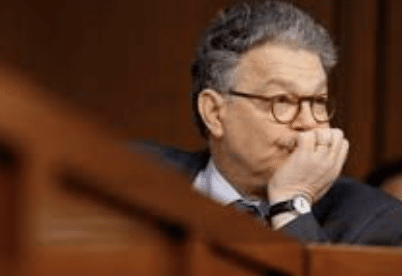
Another example frequently cited by analysts is former Senator Al Franken, who resigned after multiple women accused him of inappropriate touching. Franken apologized for some interactions while disputing others, and his resignation became a point of contention even within his own party. Some commentators argued that the response to Franken was too swift and lacked due process, while others said the allegations were serious enough to warrant immediate accountability. The debate surrounding his departure highlighted how political parties struggle to balance principles, public pressure, and internal expectations when misconduct allegations arise.
Across these cases, one theme consistently emerges in commentary from watchdog groups, legal experts, and victim‑advocacy organizations: the chilling effect that power imbalances can have on individuals who come forward. Analysts note that when allegations involve elected officials, victims may fear retaliation, public scrutiny, or political weaponization of their experiences. This dynamic can discourage reporting and create an environment where misconduct goes unaddressed. Advocacy groups have argued that the political arena, with its intense media attention and partisan stakes, can amplify these fears far beyond what victims might face in other professional settings. The result, according to these groups, is a system where accountability is inconsistent and often influenced by political calculations rather than clear standards.
Commentators also point out that political institutions often lack the independent mechanisms necessary to investigate allegations impartially. Congressional ethics committees, for example, have limited authority and are sometimes criticized for slow or opaque processes. State‑level investigations can be influenced by political alliances or rivalries. This structural ambiguity can leave both accusers and the accused without a clear path to resolution. Critics argue that this uncertainty benefits powerful individuals who can leverage political influence, legal resources, or public relations strategies to shape the narrative. At the same time, supporters of accused politicians often argue that the lack of clear investigative standards can lead to reputational damage based on unproven claims. This tension contributes to the perception that political misconduct cases are rarely resolved in a way that satisfies all parties.
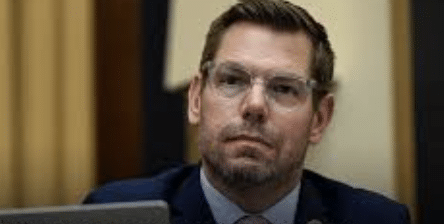
In the context of Swalwell’s situation, commentators have noted that the lack of publicly available details about the FBI’s briefing has allowed speculation to flourish. Critics argue that transparency is essential when national security intersects with personal conduct, while others counter that counterintelligence operations cannot be publicly disclosed without compromising methods. This conflict between transparency and security is a recurring theme in political scandals, and it often leaves the public with incomplete information. Analysts say that this information gap can create fertile ground for partisan narratives, with each side interpreting the same facts in dramatically different ways.
The cases of Weiner, Cuomo, Trump, Franken, and others demonstrate that allegations of misconduct are not confined to one party or ideology. Commentators frequently emphasize that political power itself—regardless of who holds it—creates opportunities for misconduct and incentives for concealment. This bipartisan pattern has led some analysts to argue that the issue is systemic rather than individual. They point to the hierarchical nature of political institutions, the intense pressure to maintain public image, and the lack of independent oversight as factors that allow misconduct to persist. Victim‑advocacy groups add that the political environment often prioritizes electoral consequences over personal accountability, which can discourage parties from addressing allegations thoroughly.
Public reaction to these cases also reveals how deeply partisan identity shapes perceptions of misconduct. Studies cited by political scientists show that voters are more likely to dismiss allegations against politicians from their own party while viewing similar allegations against the opposing party as disqualifying. This asymmetry, according to analysts, creates a culture where accountability is selective and often driven by political expediency. Commentators argue that this dynamic can further silence victims, who may fear that their experiences will be dismissed or weaponized depending on the political implications.
The chilling effect described by critics is not limited to victims alone. Whistleblowers, staffers, and even journalists may hesitate to pursue allegations involving powerful political figures due to concerns about retaliation, career consequences, or accusations of partisanship. Analysts note that this environment can create a feedback loop where misconduct is underreported, investigations are incomplete, and public trust erodes. The result is a political culture where allegations—whether substantiated or not—become tools in broader ideological battles rather than issues of personal accountability and institutional integrity.
In examining these cases collectively, commentators often conclude that the public’s ability to evaluate allegations is hindered by the lack of consistent investigative standards, the influence of partisan media ecosystems, and the inherent opacity of political institutions. Critics argue that meaningful reform would require independent investigative bodies, clearer ethical guidelines, and stronger protections for victims and whistleblowers. Supporters of such reforms say that without structural changes, the cycle of allegations, denials, and partisan conflict will continue to overshadow the underlying issues.
The ongoing discussions surrounding Eric Swalwell and other political figures demonstrate how allegations of misconduct—whether related to personal behavior, abuses of power, or questionable associations—can shape public perception and influence political careers. Commentators emphasize that the key challenge is not only determining the facts of each case but also addressing the broader systemic issues that allow misconduct to occur and discourage victims from coming forward. As long as political institutions remain vulnerable to both genuine misconduct and partisan manipulation of allegations, the public will continue to grapple with uncertainty, skepticism, and the erosion of trust in elected official Misleading.com wants to hear from you !
!