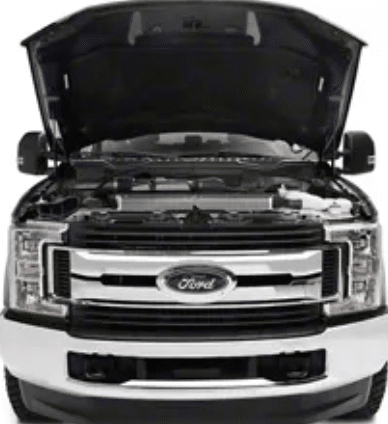

4/11/26 5:00 PM Senior Editor David Ravo breaks down a subscriber video about Dave’s Auto Service in Centerville, Utah — a shop we trust — and its claims about Ford 2500 and 3500 trucks. The takeaway: your manual and dealer might not be giving you the whole picture
We’re glad to get this video from a subscriber, because input from our audience is the heartbeat of Misleading.com. When something feels misleading, looks misleading, or is being presented to the public in a way that doesn’t line up with real‑world experience, our readers flag it, and we dig in. That partnership is what keeps this platform honest. It’s what keeps us focused on the gap between what consumers are told and what’s actually true. And in this case, that gap is wide enough to drive a Super Duty through.
The video comes from Dave’s Auto Service in Centerville, Utah — a shop we know to be legitimate, experienced, and grounded in real mechanical work, not corporate talking points. The footage focuses on 2011 to current Ford Super Duty trucks, and it exposes a misleading belief that many owners never question: the idea that the manual and the dealership always know best. That assumption is comforting, but it’s not accurate. In fact, it’s one of the most misleading ideas in modern vehicle ownership.
The first misleading point is the oil change interval. Ford recommends 7,500 to 10,000 miles or more between oil changes. On paper, that sounds efficient, modern, and environmentally responsible. But those numbers aren’t based on what actually protects a heavy‑duty engine. They’re shaped by EPA pressure to reduce waste, extend service intervals, and make the manufacturer’s environmental metrics look cleaner. That’s not speculation — it’s how the industry works. The EPA pushes for less waste. Automakers respond by stretching intervals. And consumers are left with a maintenance schedule that looks good in a brochure but doesn’t reflect the real demands placed on a Super Duty engine.
A truck that tows, idles, hauls, climbs, sits in traffic, or deals with extreme temperatures is not living in the same world as the EPA’s test cycles. Yet the same long interval is applied to both. That’s misleading. It gives owners a false sense of security, as if the engine is magically protected for 10,000 miles no matter how it’s used. The truth is that long intervals are great for marketing and regulatory compliance, but they are not great for long‑term engine health.
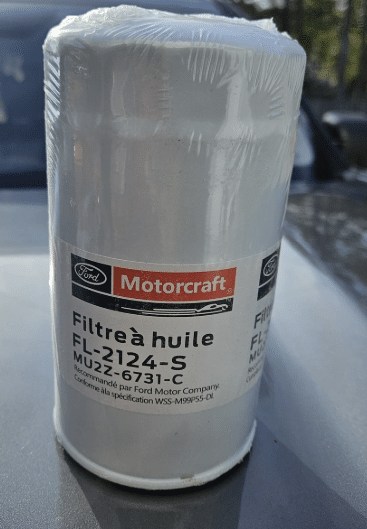
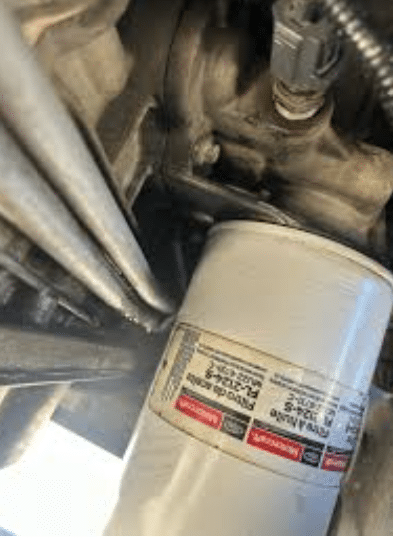
The second misleading issue is the oil filter itself. Ford’s OEM filter is too small and filters at too high a micron level to provide the best protection. That means it allows more fine debris to circulate through the engine, especially as the miles add up. When you combine a small filter with long oil change intervals, you create a situation where the engine is running with oil that is dirtier than owners realize. It’s a slow, quiet form of wear — the kind that doesn’t show up until after the warranty period. And that’s exactly why it’s so misleading. It’s not dramatic. It’s not catastrophic. It’s gradual, and it’s expensive later.
Meanwhile, third‑party vendors offer filters that are larger, capture smaller particles, and even include a magnet at the bottom to trap metallic debris before it recirculates. These filters are simply better for long‑term durability. They address the real‑world conditions these trucks face. But they’re rarely mentioned by dealerships because they don’t fit the manufacturer’s narrative. The misleading part is that owners assume the OEM filter must be the best option because it’s the one Ford sells. That assumption is not supported by the actual performance of the filter.
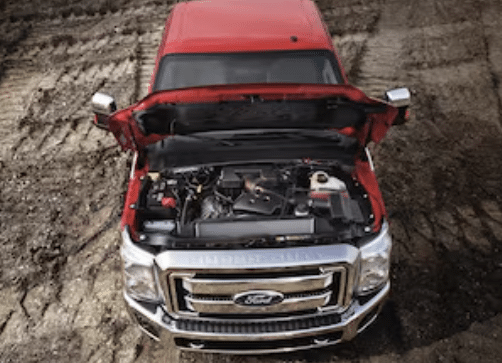
This all leads to a larger truth that most consumers never hear: manufacturers care about getting a vehicle through the warranty period, not about making it last 300,000 miles. Their priorities are shaped by regulations, marketing, and cost control. The EPA wants less waste. Marketing wants lower “cost of ownership” numbers. Corporate wants fewer warranty claims. None of those priorities are aligned with the long‑term durability of your engine. And yet the maintenance schedule is presented as if it’s the gold standard. That presentation is misleading by design.
For Ford Super Duty owners, the bottom line is clear. The recommended oil change intervals are misleading. The OEM filter’s design is misleading. And the belief that following the manual guarantees long‑term durability is one of the most misleading assumptions in modern truck ownership. If you want your engine to last, shorter intervals and a higher‑quality filter aren’t just “better options” — they’re necessary steps to protect your investment.
We cannot emphasize enough how important it is to hear from our viewers. The subjects that matter to you are the subjects that matter to us, and your input helps us identify the misleading information that directly affects the audience we serve. Every video, message, and tip you send sharpens our focus and strengthens our mission. It is our hope — and honestly, our dream — that Misleading.com becomes a project powered entirely by its audience. Your experiences expose what’s misleading in the real world, and your participation is what allows us to bring those issues into the light