A new survey has revealed the profound strain remote caregiving is placing on American families, and especially on millennials. The term is defined as looking after a person, not necessarily family, without having to be physically present.
The study, commissioned by JubileeTV, found that 59 percent of U.S. adults are caring for aging loved ones from a distance, and the mental, emotional and financial tolls are becoming increasingly unmanageable.
Despite their significant efforts, over 40 percent of remote caregivers don’t even identify themselves as such. They juggle demanding responsibilities—managing finances, organizing medical care and providing emotional support.
JubileeTV is a system that provides a set of features such as full-screen video calling, photo sharing, activity tracking and can be remotely used from the phone of a caregiver or family member.

Ashish Aggarwal (left), co-founder of JubileeTV and his mother. Lili Udell Fiore (right) and her aunt. A study by JubileeTV highlighted the millions of people who struggle with the unrecognized burden of remote caregiving.
Ashish Aggarwal/Lili Udell Fiore
The survey also provided troubling insights into the time and energy remote caregivers invest. One in three spends 10 or more hours per week on caregiving duties, and a significant 13 percent dedicate over 20 hours a week.
Millennials (aged 25-44 in the survey) were the most likely to provide daily remote assistance, compared to any other age group. Not surprisingly though, Gen Z (18-24) represented the lowest proportion of any age group providing remote assistance for a parent. However, they are more likely than older adults (54+) to provide care for a grandparent.
This commitment comes at a cost too. JubileeTV found that 66 percent of those surveyed reported that caregiving-related stress is affecting their mental health, and nearly 30 percent saying it’s impacting their physical well-being.
For Lili Udell Fiore, caring for her aunt for 12 years had a huge personal impact. “There would be times when I would have to drop everything and catch a plane from Vermont to Chicago because she wasn’t letting her caregivers in,” the 55-year-old told Newsweek.
Fiore recalled how the challenge of managing caregivers from afar while working full-time and raising a family was incredibly stressful.
“If your loved one is still at home and trying to survive, you feel like you’re their advocate. So many times, you don’t want to admit to the rest of the family; to their doctors; to anybody else, how much they’re relying on you because you feel like you’re betraying their trust—and that is a huge burden,” she told Newsweek.
Fiore’s aunt, who had Parkinson’s disease and dementia, eventually came to live with her in Vermont where she could keep a closer eye on her.
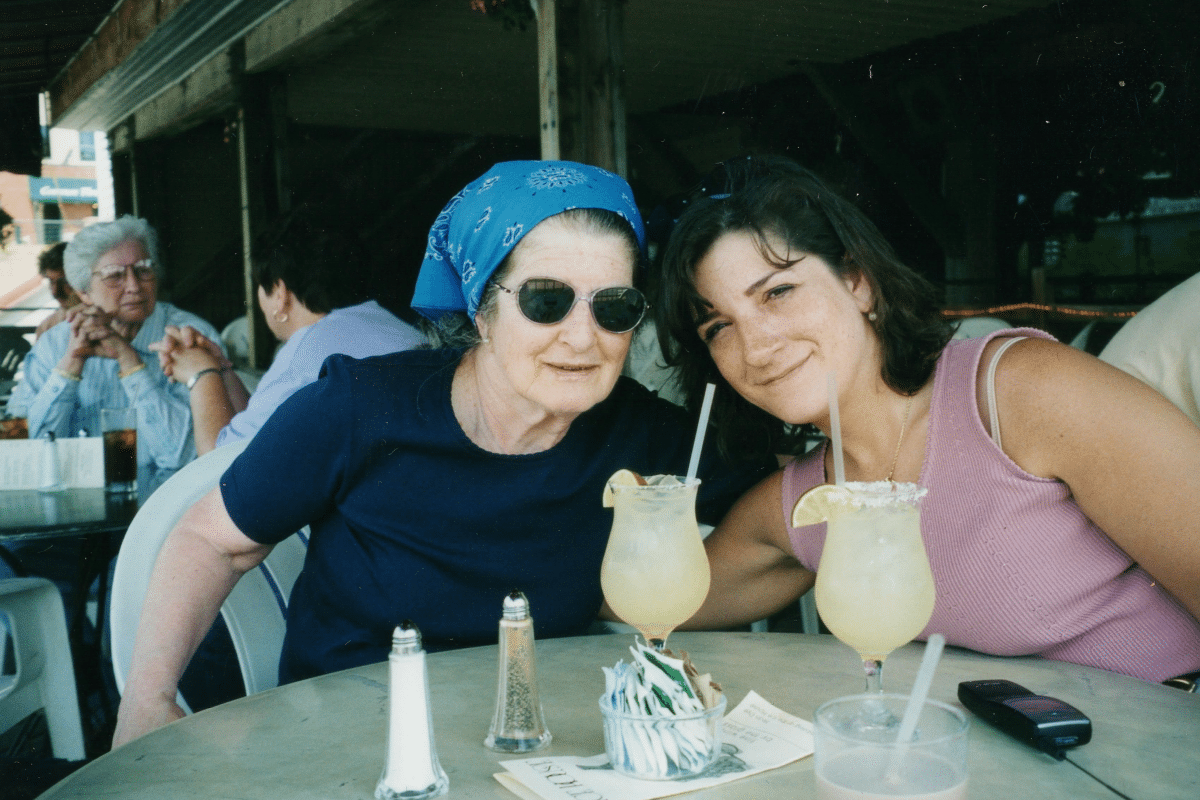
Lili Udell Fiore, right, and her aunt. Fiore, an author, is now a caregiving adviser for JubileeTV.
Lili Udell Fiore
The personal sacrifices don’t end with time, either. According to the survey, 30 percent of remote caregivers find themselves with less time for friends, hobbies and self-care, while 24 percent have had to take extra vacation days or leave work early to manage their caregiving duties.
Ashish Aggarwal, co-founder of JubileeTV and key voice behind the study, noticed three factors that have contributed to the data. “Remote caregiving is quickly becoming a national and global crisis.
“A large percentage of older people are living past 80, where challenges are far more acute. Couple this with the fact that the generation behind them had fewer children, so there are fewer resources from a family caregiving perspective to take care of them,” he told Newsweek.
The third challenge involves the so-called sandwich generation—those who are caring for elderly loved ones as well as young children of their own, all while maintaining careers. Aggarwal believes this group are the most affected.
As a caregiver to his mother who was recently diagnosed with cancer, and father-in-law with dementia, Aggarwal understands the impact this is having on a personal level: “It’s like a hamster on a wheel. Given that this generation is now facing taking care of their teenage kids along with multiple jobs and trying to take care of [their parents] remotely with the cost of care constantly rising, there is a balance you have to reach between your own kids and your parents.”
The emotional and financial burden is large and growing, he added.

Co-founder of JubileeTV, Ashish Aggarwal, with his mother who recently was diagnosed with cancer. The emotional and financial burden of distance caregiving is large and growing, he said.
Ashish Aggarwal
The survey also highlighted frustrations with existing technology solutions. One in four caregivers expressed dissatisfaction with the tools available, stating that many are either too complex for their loved ones or inadequate for managing caregiving needs.
JubileeTV a simplified streaming experience that lightens the load of family caregivers. The hub enables everyone to stay connected and as it’s fitted with a wide camera, you can view your loved ones’ surroundings. Essentially, it makes remote caregiving for loved ones easier.
Fiore, who is now a JubileeTV caregiving adviser wishes the system had been around for her caregiving years: “I could have avoided so many unnecessary trips if I’d had a reliable way to check in on my aunt from a distance,” she said.
The study highlighted the portion of caregivers who fail to view themselves as such because they live outside the home and often feel ill-equipped to provide the necessary support.
“This uncertainty, combined with the emotional and time demands of this hidden labor is putting millions under pressure. It’s time to acknowledge these challenges and create solutions that lessen their burden,” Fiore said.
Looking forward, Aggarwal stressed the importance of recognizing remote caregiving as a formal role, which could help direct resources to ease the burden.
“JubileeTV is one [of the] first senior-focused technologies that seamlessly integrates into seniors’ life while providing the necessary tools for family caregivers, and one critical aspect it handles is avoids unnecessary trips.
“Most people [40 percent] don’t even realize they’re caregivers, so I believe technology is the next answer to how we can save this growing crisis,” he told Newsweek.
The data paints a clear picture: remote caregiving is a hidden crisis that’s only getting bigger. As Fiore puts it: “It does take a village to raise a child and it takes a village to help care for our loved ones. We need more help and understanding if we’re going to survive the pressures of caregiving from afar.”
If you have a personal dilemma, let us know via life@newsweek.com. We can ask experts for advice on relationships, family, friends, money and work and your story could be featured on Newsweek’s “What Should I Do? section.