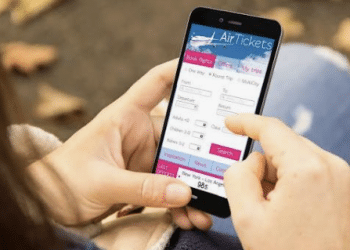
Weekend activities just got an upgrade for some young people as Gen Z are turning to “side quests” to keep themselves busy and make some extra cash.
In a video on TikTok with 1.8 million views, Charlotte Cussell, 22, and her best friend shared how they entertain themselves on a Saturday night—by doing jobs for others.
Instead of a typical night of relaxation, the Australian TikToker and her friend Kaitlin decided to use Airtasker to pick up a desk from IKEA. What started as a mundane task quickly morphed into a fun and spontaneous escapade.
“My best friend and I were just hanging out on a Saturday night when we thought we’d use Airtasker to get a task done,” Cussell said. “After that, we decided to see if there was anything on there we could actually do ourselves. We found this IKEA desk pickup, and turned it into a little side quest. The next day, the video blew up, and now everyone’s talking about doing ‘quests’ for fun.”

A picture of Charlotte and her friend Kaitlin, left, and a screenshot showing how much they made from their “side quest,” right.
@charcussell/TikTok
Newsweek has reached out to Cussell for comment.
Founded in 2012 by Tim Fung and Jonathan Lui, Airtasker is an online and mobile marketplace based in Sydney, Australia, that connects individuals who need tasks completed with those willing to perform them.
From picking up groceries for $50 to making $900 as a luxury cook for a dog, there are tons of options for people looking to make money or on the hunt for a “side quest.”
On TikTok, people couldn’t get enough of the idea. In the comments, they shared their reactions. “You telling me that there’s an app that gives you quests?” said Bigvanda.
While viewer Miss S wrote: “Omg I love errands this is my dream.”
The gig economy, which allows people to earn money outside of traditional full-time jobs, has exploded in recent years, with platforms like DoorDash, Uber, and Airtasker offering flexible income opportunities. In the U.S., freelancing and contract work are booming, with more than 73 million estimated freelancers last year alone.
But this rise in gig work comes at a cost. Earlier this year the U.S. Department of Labor proposed a rule that could make it harder for companies to classify workers as independent contractors, jeopardizing the income millions of people earn through side gigs. The rule aims to protect workers from being misclassified, ensuring they have access to the benefits and protections full-time employees enjoy, such as health care and retirement plans.
“Misclassifying employees as independent contractors is a serious issue that deprives workers of basic rights and protections,” said Acting Labor Secretary Julie Su. “This rule will help protect workers, especially those facing the greatest risk of exploitation.”
But many gig workers don’t necessarily want these protections. For some, the appeal of gig work lies in its flexibility and autonomy, while for others the nature of gig work means they are able to do it alongside a more secure job role.
As well as finding a way to fill their Saturday night (“Gone are the nights of alcohol,” the caption joked).
Airtasker Founder and CEO Tim Fung was thrilled to see how the younger generation had embraced the app: “It’s exciting to see how the idea of ‘side quests’ is being embraced by the younger generation, turning everyday tasks into fun, spontaneous adventures,” he said.