Hurricane Helene ripped through the Southeast, claiming the lives of more than 100 people, which a North Carolina county official described as the “most significant natural disaster” the region has faced in recent years.
Helene transformed into a tropical storm on Tuesday after it became the season’s most powerful hurricane upon making landfall.
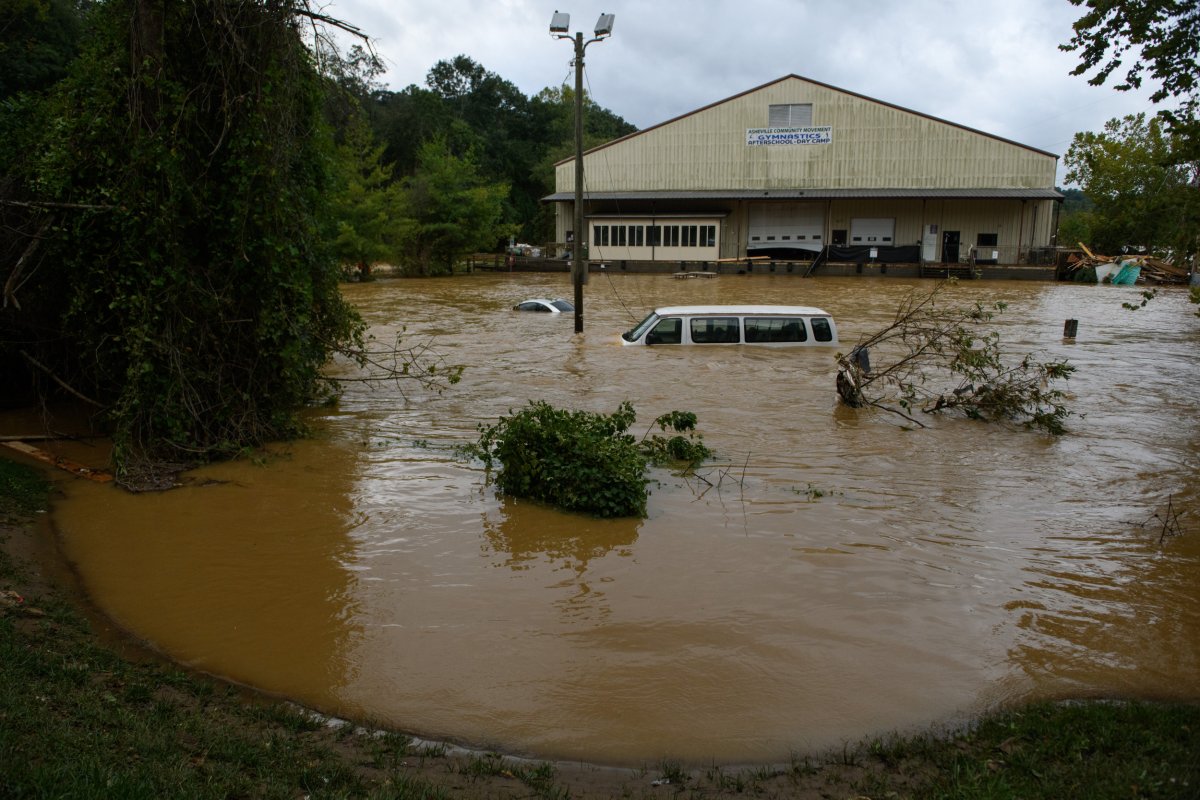
Heavy rains from Hurricane Helene caused record flooding and damage on September 28, 2024 in Asheville, North Carolina.
Melissa Sue Gerrits/Getty Images
At least 30 storm-related deaths occurred in Asheville, North Carolina, and the surrounding Buncombe County.
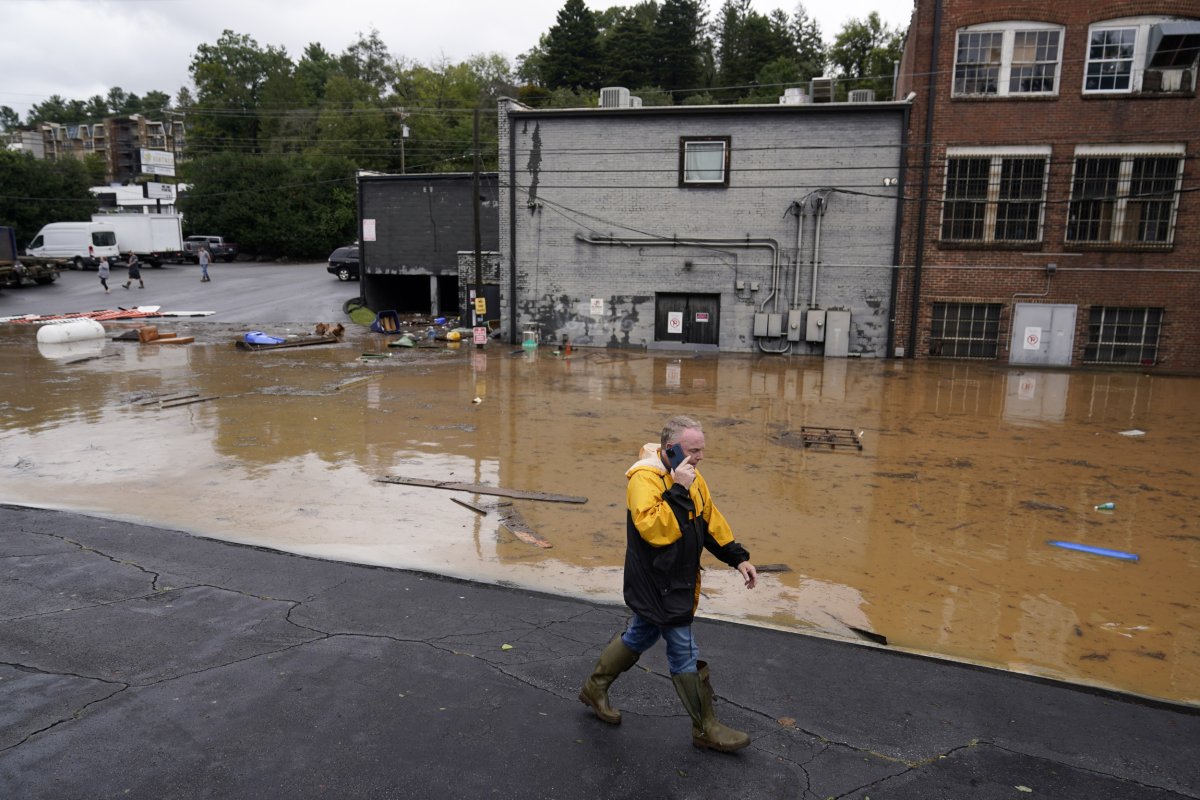
A man walks near a flooded area near the Swannanoa river, effects from Hurricane Helene , Friday, Sept. 27, 2024, in Asheville, N.C.
Erik Verduzco/AP Photo
Asheville Mayor Esther Manheimer described the devastation as a “post-apocalyptic scene” during an interview on CNN.
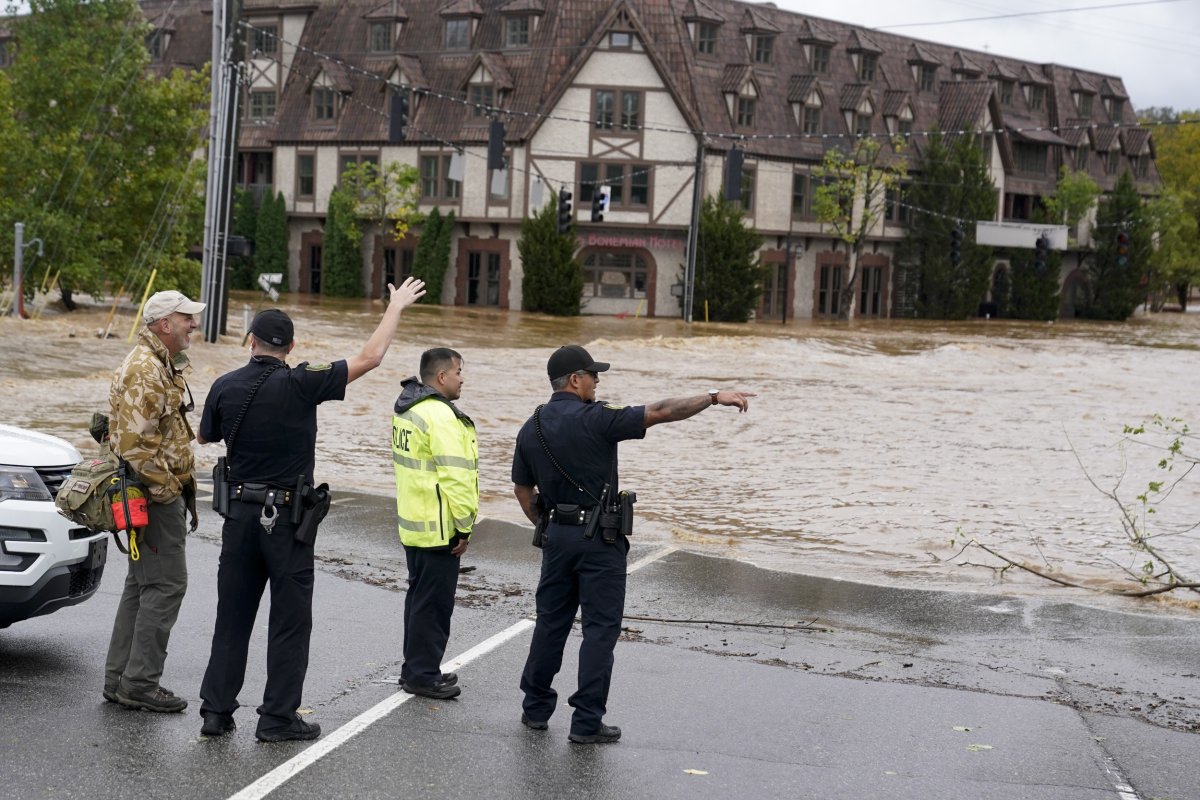
Emergency personnel watch as floodwaters rise, Friday, Sept. 27, 2024, in Asheville, N.C.
Erik Verduzco/AP Photo
South Carolina confirmed 25 fatalities, while Georgia reported 17. Additional deaths linked to Helene were also reported in Florida, Tennessee, and Virginia. Hundreds of individuals remained unaccounted for, particularly in the mountainous regions of western North Carolina.
The storm has claimed the lives of at least 107 people across six states.
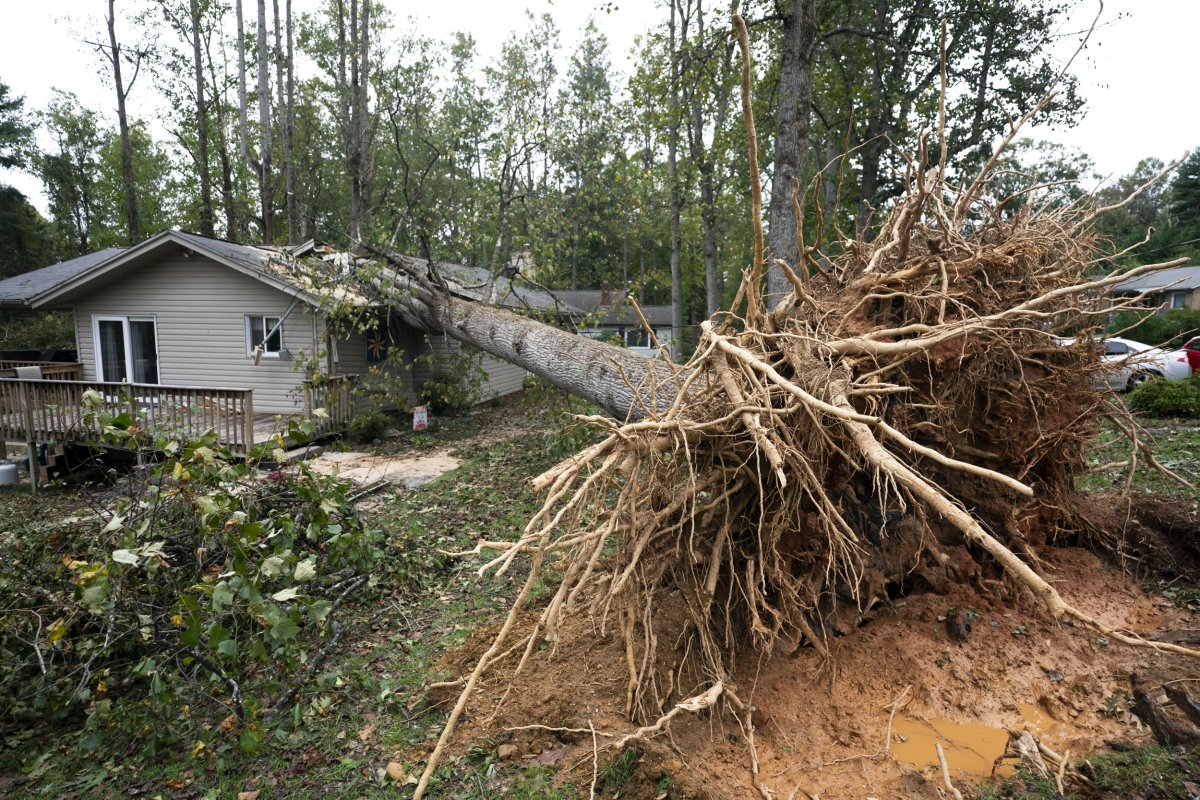
A fallen tree on a home in the aftermath of Hurricane Helene on September 28, 2024 in Asheville, North Carolina. Hurri
Sean Rayford/Getty Images
North Carolina Gov. Roy Cooper predicted the toll would rise as rescuers and other emergency workers reached areas isolated by collapsed roads, failing infrastructure and widespread flooding.
As the crisis unfolds in western North Carolina, officials rushed to deliver more water, food, and other supplies to flood-stricken areas lacking power and cellular service on Monday—three days after Hurricane Helene ripped through the U.S. Southeast.
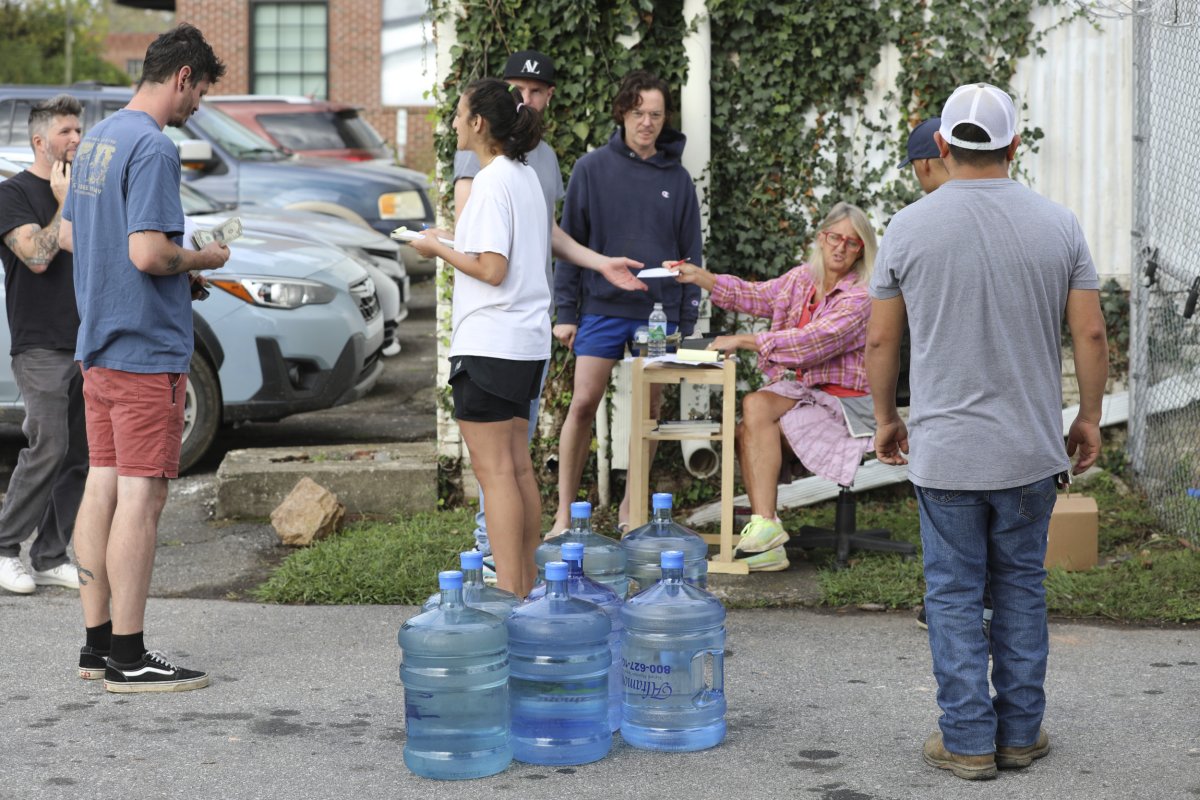
People gather outside Mountain Valley Water in Asheville, North Carolina, where the business is selling water for cash on Monday, Sept. 30, 2024.
Jeffrey Collins/AP Photo
“This is an unprecedented tragedy that requires an unprecedented response,” Cooper said Sunday afternoon. In Georgia, where Atlanta was among the areas hit by flooding, Gov. Brian Kemp said parts of his state looked “like a bomb went off.”
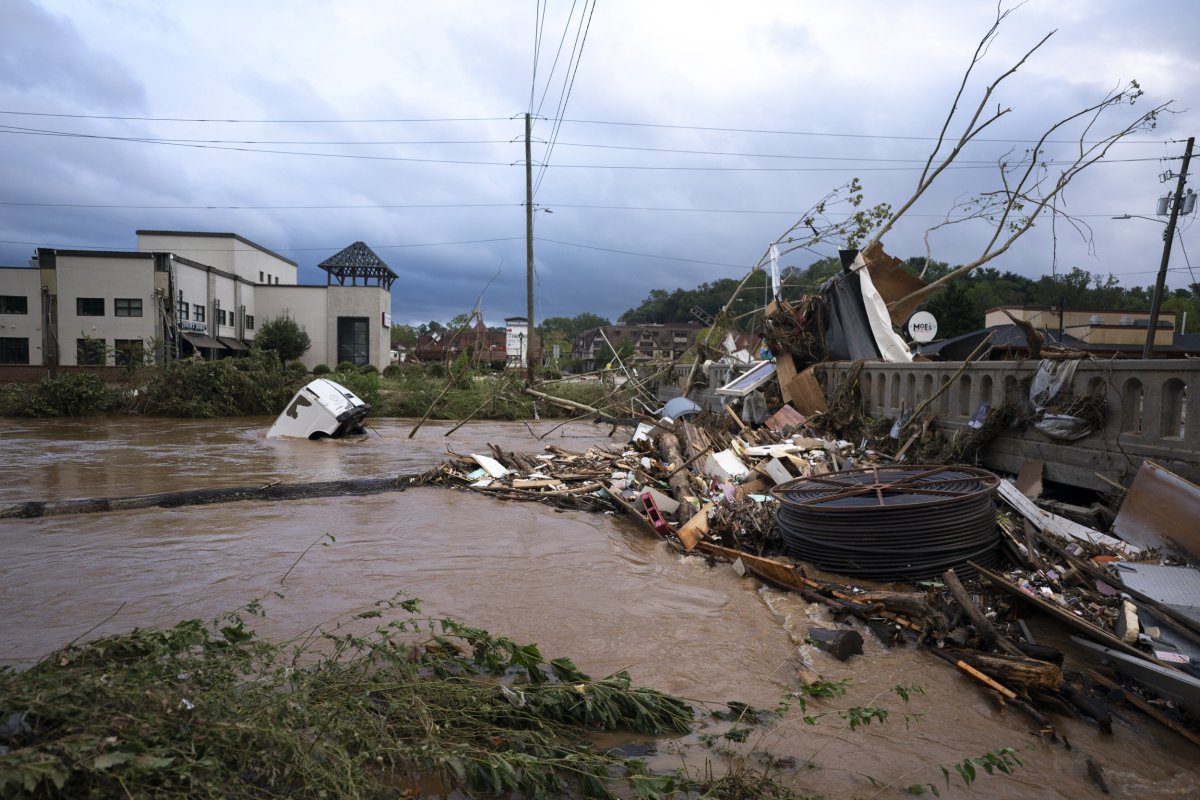
A van flows in floodwaters near the Biltmore Village in the aftermath of Hurricane Helene on September 28, 2024 in Asheville, North Carolina.
Sean Rayford/Getty Images
Power Outages
South Carolina was the worst-affected state, with 755,313 outages recorded early Monday, according to PowerOutage.us, a service tracking disruptions. In Greenville County alone, more than 200,000 were registered.
South Carolina Governor Henry McMaster previously said on X work was underway to clear roads and restore power, but he added this would “take some time, many days in some places.”
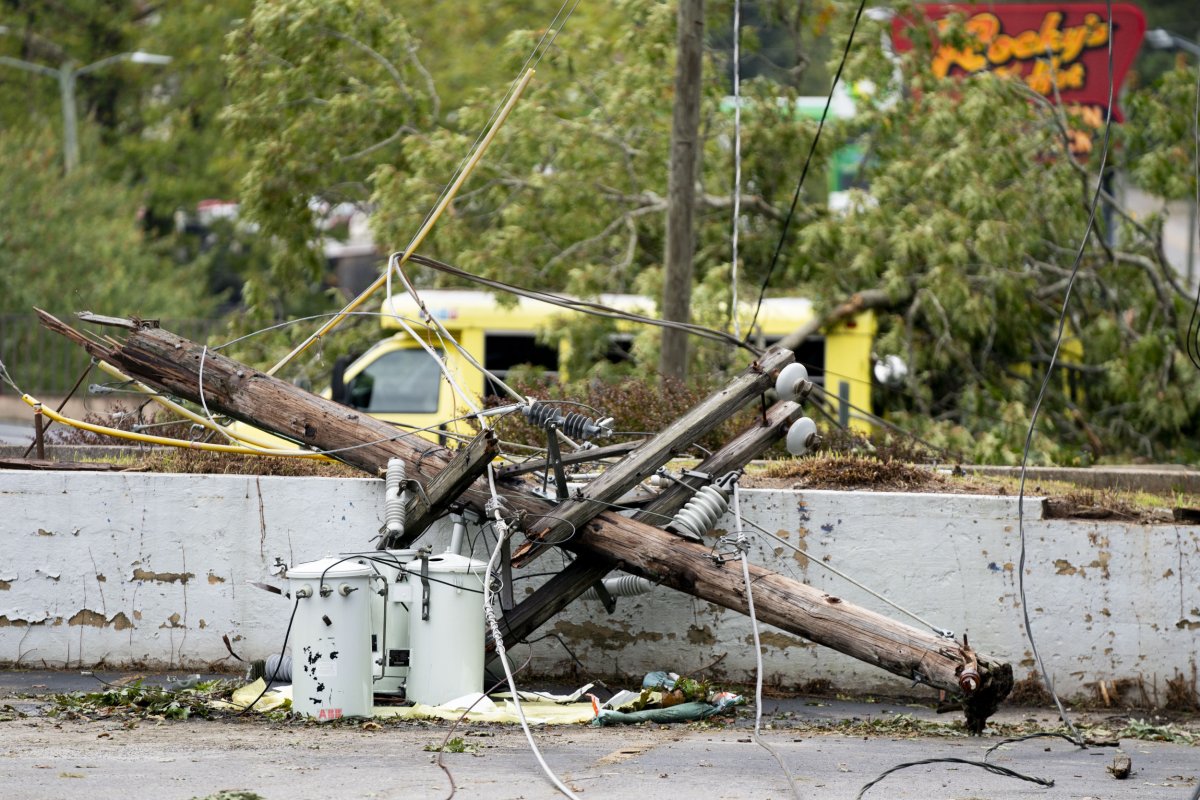
A broken utility pole in the aftermath of Hurricane Helene on September 28, 2024 in Asheville, North Carolina.
Sean Rayford/Getty Images
Also heavily affected were Georgia with 580,771 outages, North Carolina with 457,941, Florida with 133,492 and Virginia with 100,584.
There were a further 31,975 in Ohio, 25,912 in West Virginia, 22,434 in Kentucky and 11,886 in Tennessee.

People gather on a hill in Asheville, North Carolina, where they can find a little cellphone service on Monday, Sept. 30, 2024.
Jeffrey Collins/AP Photo
The National Hurricane Center (NHC) warned earlier power outages could be long-lasting and recommended anyone using generators to place them at least 20 feet away from doors, windows and garages to avoid deadly carbon-monoxide poisoning.
What’s Next
On Sunday, President Joe Biden announced his plans to visit “impacted communities” this week, “as soon as it will not disrupt emergency response operations.” Vice President Kamala Harris made a similar indication.
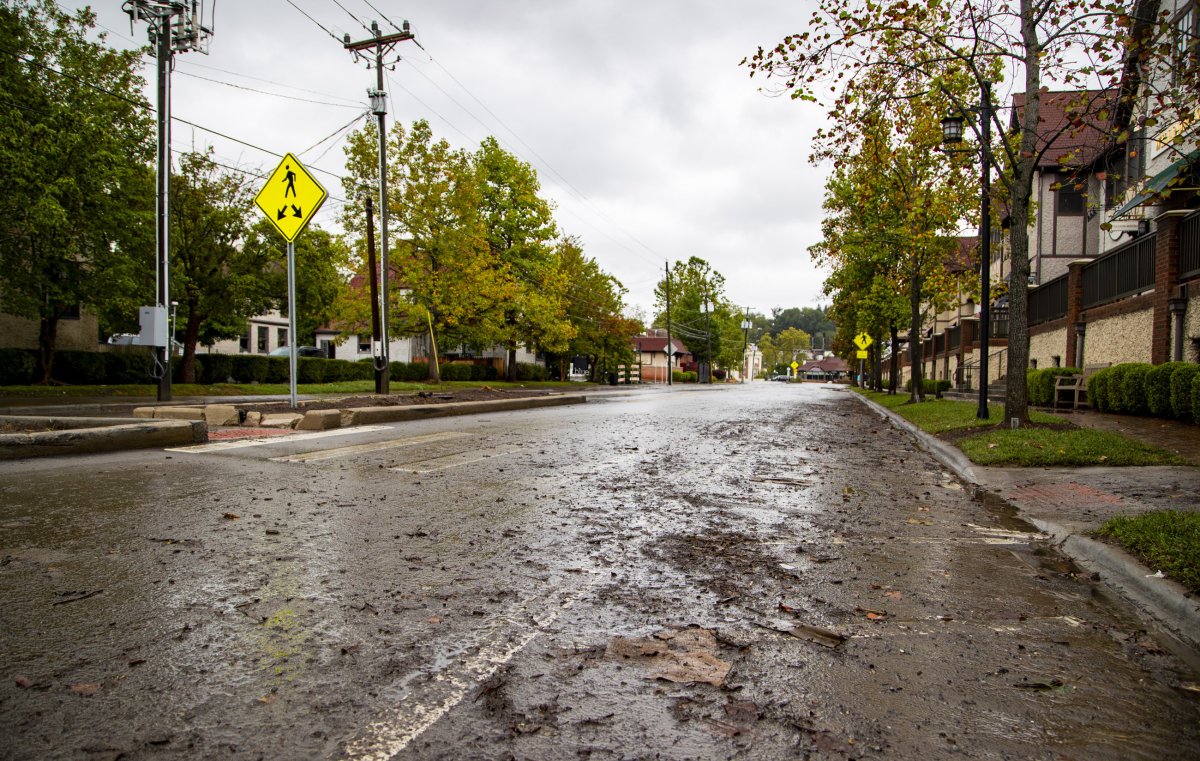
Debris litters Hendersonville Road in Historic Biltmore Village in Asheville, N.C. on Friday, Sept. 27, 2024.
Josh Bell/AP Photo
Former president Donald Trump plans to visit several sites of destruction on Monday, bringing resources to assist in the recovery efforts.
“We are now heading to Valdosta, Georgia, to pay my respects and bring lots of relief materials, including fuel, equipment, water, and other supplies, to the state,” Trump said on X.
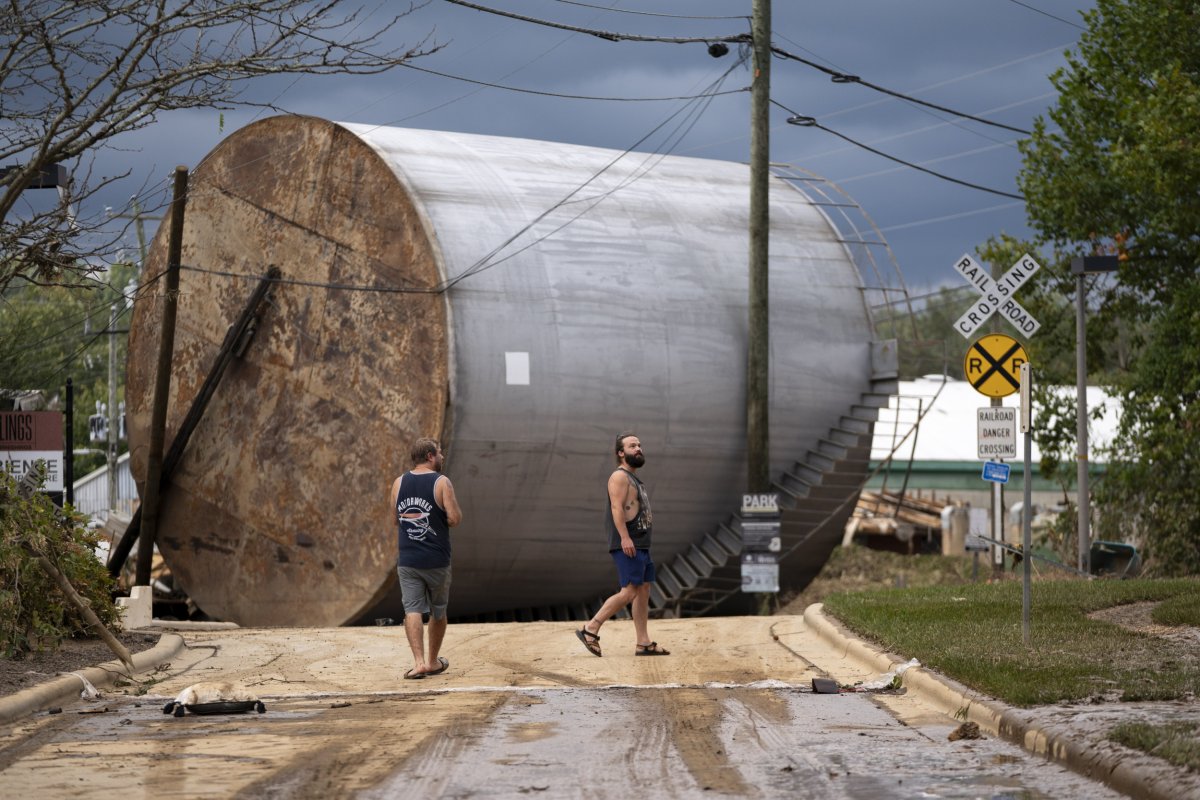
Men inspect the damage from flooding in the Biltmore Village in the aftermath of Hurricane Helene on September 28, 2024 in Asheville, North Carolina.
Getty Images
“I also plan to stop in North Carolina, which has really been hit hard. I have a lot of supplies ready for them, but access and communication are now restricted, and we want to ensure that local emergency management can focus on helping the people most affected, rather than being concerned with me.”
Flash flood warnings remain in effect across the Southern Appalachians due to swollen rivers and creeks, along with emergency dam releases.
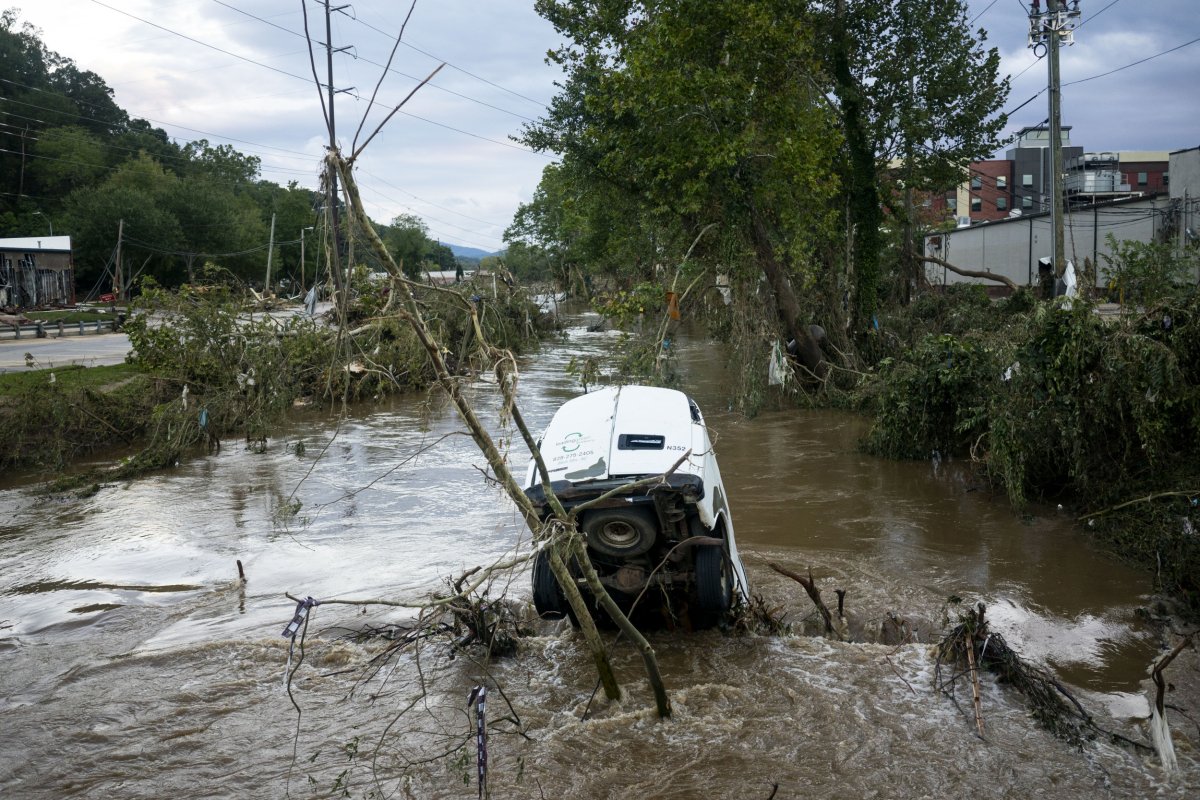
A van is partially submerged in the Swannanoa River in the Biltmore Village in the aftermath of Hurricane Helene on September 29, 2024 in Asheville, North Carolina.
Sean Rayford/Getty Images
Additionally, the National Hurricane Center warned a tropical depression in the eastern Atlantic could develop into a “formidable hurricane” later this week. The hurricane season officially ends on Nov. 30.
Do you have a story Newsweek should be covering? Do you have any questions about this story? Contact LiveNews@newsweek.com