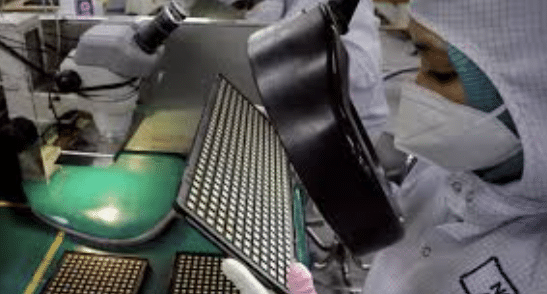

5/5/26 4:50 PM CTO Robert Hensley is sounding the alarm on a resource most people never think about: neon gas, the quiet backbone of modern chipmaking. He explains why this isn’t about retro Vegas signage but about a supply chain vulnerability that could stall everything from defense systems to everyday electronics. His message is simple and urgent — if you don’t understand neon, you don’t understand the next big tech bottleneck
Neon Gas: The Global Tech Industry’s Dirty Little Secret
Neon gas was never supposed to matter. It was a background character in American culture — a glow above a liquor store, a flicker outside a motel, a buzzing script on the Vegas Strip. But while everyone was staring at the signs, neon quietly slipped into a far more powerful role. It became the lifeblood of the semiconductor industry, the invisible ingredient that keeps the digital world functioning. And the companies that depend on it — the ones that build your phones, your cars, your medical devices, your defense systems — would prefer you never ask where it comes from or how fragile the supply really is.
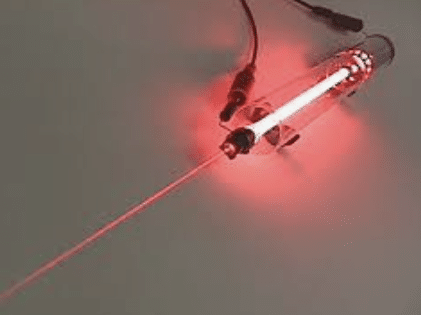
The truth is simple and uncomfortable: neon gas went from novelty to necessity, and the world didn’t notice. As chipmaking became more precise, manufacturers needed lasers capable of carving microscopic circuits into silicon wafers. Those lasers run on a gas mixture where neon is the stabilizing backbone. Without neon, the lasers fail. Without the lasers, the chips don’t exist. And without the chips, the modern world collapses into a pre-digital crawl. Every device you own — every “smart” anything — is downstream of a gas most people think belongs in a diner window.
The electronics industry has spent years pretending this dependency is no big deal. But the list of devices that rely on neon is a map of modern life: smartphones, laptops, tablets, TVs, gaming consoles, EVs, routers, servers, medical imaging machines, industrial robots, satellites, drones, defense systems, solar inverters, wearables, and every CPU and GPU powering everything from your home office to the Pentagon. Neon isn’t a niche input. It’s the quiet, uncredited co‑author of the digital age.
And here’s where the story stops being technical and starts being investigative. Because for decades, the world’s supply of high‑purity neon didn’t come from Silicon Valley, or Taiwan, or Japan. It came from Ukraine — specifically from Soviet‑era industrial gas facilities that survived the collapse of the USSR and evolved into the world’s premier producers of semiconductor‑grade neon. Before the war, Ukraine supplied nearly half of the global supply. Some years, it was more. The global tech industry built its future on a resource it didn’t control, in a region it didn’t stabilize, and in a supply chain it didn’t bother to secure.
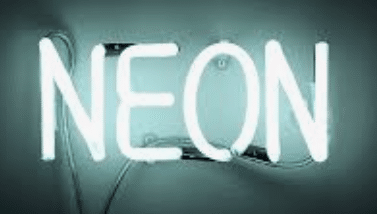
Then the war began, and the illusion shattered.
When Russia invaded Ukraine, the world didn’t just lose factories — it lost the quiet infrastructure that kept the semiconductor industry alive. Mariupol, home to one of the major neon producers, was obliterated. Odesa, home to another, was shelled. Production stopped. And suddenly the companies that had spent years insisting everything was fine were scrambling to find neon anywhere they could. Prices spiked. Recycling programs were rushed into existence. Governments issued vague statements about “supply chain resilience.” But behind the scenes, the panic was real.
This is the part of the story the public rarely hears: the semiconductor industry knew the risk. They knew neon was concentrated in one region. They knew the geopolitical tension. They knew a single conflict could choke the supply. And they did almost nothing. Because acknowledging the vulnerability would mean admitting that the world’s most advanced technologies were built on a single point of failure. It would mean admitting that the digital age — the age of automation, AI, electric vehicles, cloud computing, and precision weapons — was balanced on a gas extracted from the air in a country now fighting for its survival.
The war didn’t create the problem. It exposed it. It forced the world to confront the uncomfortable truth that critical materials don’t care about borders, politics, or corporate optimism. They care about geography, infrastructure, and stability. And when a country that produces half the world’s neon is invaded, the consequences don’t stay in Eastern Europe. They ripple through every industry, every economy, every device, every household.
This isn’t about taking sides in an election. It’s about understanding that wars disrupt supply chains, and supply chains underpin modern life. Neon gas is not a political talking point — it’s a strategic vulnerability. And the companies that rely on it have spent years hoping no one would notice.
Neon is not glamorous. It’s not rare like gold or dramatic like oil. It doesn’t get headlines unless something breaks. But it is essential. And because it’s essential, it’s worth protecting. That means diversifying production so no single region controls the supply. It means investing in domestic air‑separation facilities. It means treating neon like the strategic resource it is, not the afterthought it used to be. It means acknowledging that the materials that power the modern world are often the ones we never talk about.
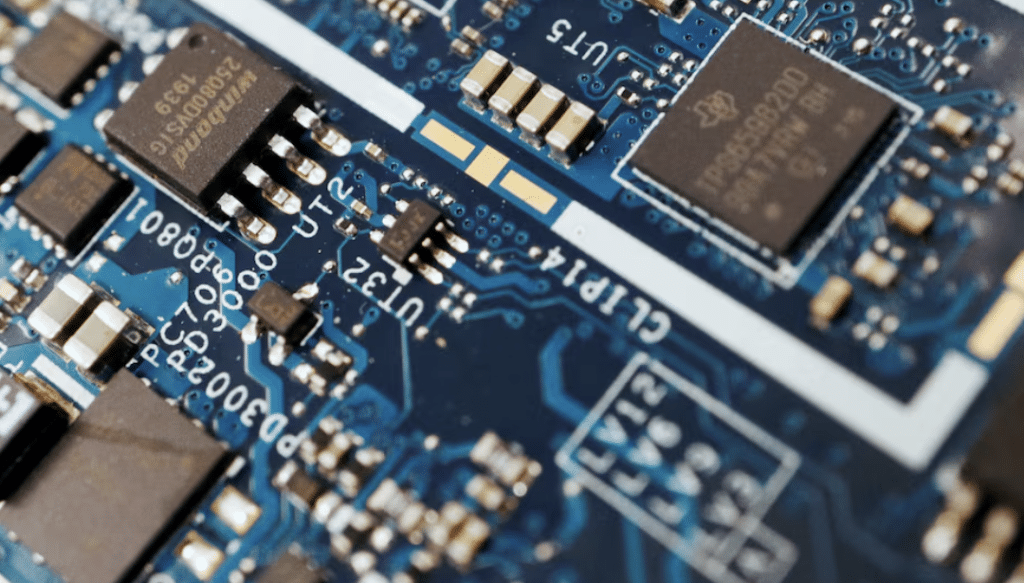
People need to know that neon gas is not a relic of the Vegas Strip. It’s the quiet force behind the digital age. It’s the gas that makes the lasers that make the chips that make the world run. And if we don’t take it seriously — if we don’t protect it, diversify it, and understand it — then the next global crisis won’t come from a lack of innovation. It will come from a lack of the invisible materials that make innovation possible.
When neon production in Ukraine went offline, the impact hit the electronics world like a silent detonation. Circuit board manufacturers suddenly found themselves without the high‑purity neon needed to run the excimer lasers that etch their microscopic pathways, and fabrication lines slowed to a crawl. What looked like a distant geopolitical conflict instantly became a bottleneck in factories thousands of miles away, proving just how fragile the world’s most “advanced” supply chains really are. The interruption wasn’t just a shortage — it was a warning that the entire digital ecosystem is only as strong as the invisible gases that keep it alive.
We want to hear from you! Misleading.com