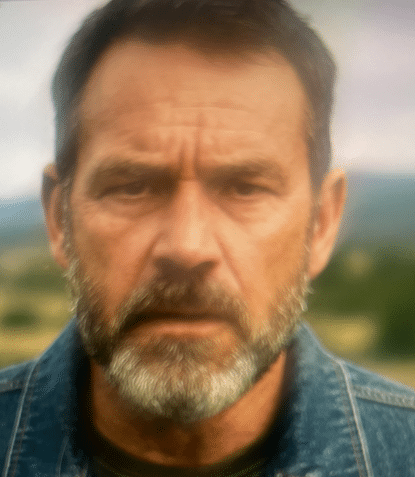
5/8/26 2;20 PM Decker McCollough: ABC is flagging a wave of perfectly timed pre‑speech trades. The patterns look less like coincidence and more like coordination. If this is a regulated market, it’s doing a great impression of a misleading free‑for‑all
ABC’s report on those perfectly timed pre‑speech trades didn’t surprise anyone who’s spent time outside the city limits. Out here, you learn to read tracks in the dirt — and these tracks don’t belong to coincidence. They look like the kind of prints left by people who already knew where the herd was running before the rest of us even saddled up. You don’t need a badge or a Bloomberg terminal to see it. You just need a pulse and a working memory of how many times Wall Street has “accidentally” gotten the jump on the public.
The regulators will tell you the system is airtight, that surveillance is constant, that no one gets special treatment. But the truth is simpler and uglier: the people who are supposed to guard the gate are the same ones who get invited to the private dinners behind it. They’ll chase down a rancher for misreporting a calf, but they won’t blink when a billion‑dollar trade lands ninety seconds before a speech that everyone knows will move the market. They call it oversight. Out here, we call it what it is — selective blindness.
The public keeps being told to “trust the process,” but the process looks more like a back‑alley handshake than a regulated marketplace. Every time a pattern like this surfaces, the regulators retreat into their favorite bunker: procedural language, ongoing reviews, and the promise that they’re “monitoring the situation.” Monitoring isn’t protecting. Monitoring is what you do when you’re waiting for the storm to pass so you don’t have to fix the roof. And the roof on this system has been leaking for years.
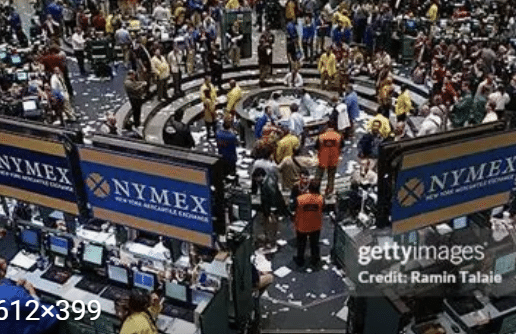
People in Washington love to say that perception isn’t reality. That’s convenient for them. For everyone else, perception is the only reality we get. When trades land with sniper‑level precision right before public remarks, the perception is obvious: someone knew something they shouldn’t have. And if they didn’t, then the system is even more broken than we thought, because randomness doesn’t behave that cleanly. Either way, the public loses.
The real question — the one no one in power wants to touch — is who regulates the regulators. Who checks the people who claim they’re checking everyone else. Who makes sure the watchdog hasn’t been sleeping on the porch while the foxes run the henhouse. Because right now, the only answer seems to be “no one.” And that’s not oversight. That’s theater.
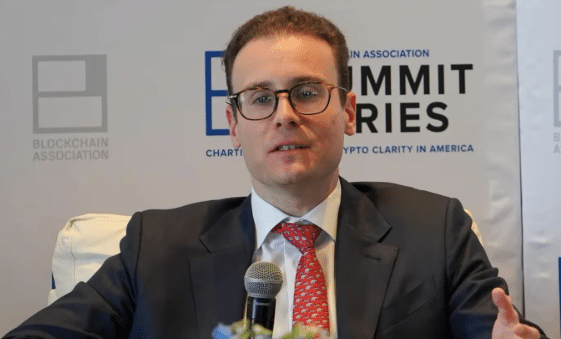
Trust isn’t rebuilt with press releases or sternly worded statements. It’s rebuilt when the people with badges and authority stop protecting the institutions and start protecting the public. It’s rebuilt when suspicious trades trigger investigations measured in hours, not years. It’s rebuilt when regulators stop acting like referees who owe favors to the home team. Until then, the public will keep assuming the worst — and they’ll be right to.
Out here in East Montana, you learn something early: if a man refuses to explain what he’s doing, it’s because he doesn’t want you to know. Wall Street and its regulators have been refusing for a long time. And every time another perfectly timed trade hits the tape, the message gets louder. The system isn’t broken. It’s functioning exactly as designed — just not for you.
So I’m not dropping this. Not when families are choosing between filling the tank and filling the fridge, while a handful of well‑placed ghosts keep cashing in on perfectly timed trades. Fuel costs are climbing, the squeeze is getting meaner, and somehow the same people who claim the system is “fair” always seem to walk away richer. I’ve got contacts who don’t mind talking after dark, and I’m going to start pulling those threads until something snaps. If the regulators won’t regulate and the watchdogs won’t bark, then I’ll dig until the truth crawls out on its own — because too many people are struggling while someone else is profiting from the pain.