A woman has sought advice from Reddit about her cat, who desperately wails every time she leaves the house.
A 21-year-woman named Kingsley, u/JKingsley4, recently turned to Reddit for advice after facing a heart-wrenching issue with her three-year-old cat, Kinoko, a blue and white Japanese bobtail. Kinoko, who has been Kingsley’s companion since she was just 14 weeks old, began displaying severe separation anxiety whenever she left her apartment, crying loudly in distress.
“My roommate told me that she had been ‘screaming’ when I was gone,” she told Newsweek. Concerned, Kingsley set up an audio recorder to verify what was happening, and she said: “My roommate was right—it was a horrifying noise.”
Kinoko had been a source of comfort for Kingsley during a challenging time in her life when she moved across the country at age 17, leaving all her friends. She remained a loyal companion during her tough schooling years, but the pair were separated when Kingsley left for college, and Kinoko remained with her family. In her second year, she secured an apartment and finally brought Kinoko to live with her again.
“I had a light schedule, and I’m not a partygoer, so I knew I’d be home the majority of the day,” Kingsley shared. Kinoko settled into the apartment quickly, but it wasn’t long before Kingsley’s roommate reported unsettling behavior.
In the video, the cat wails loudly, almost like a human baby, in Kingsley’s absence.
Despite various efforts, involving toys, playtime, calming aids, and even CBD oil, Kinoko’s anxiety persisted, leaving Kingsley worried about noise complaints and her living situation.
Separation anxiety in cats can be deeply distressing for the owner and the pet.
Joanne Fernandez-Lopez, director of veterinary affairs at ABCs Puppy Zs, spoke to Newsweek about the cat’s symptoms.
“In the world of feline behavior, few issues are as distressing for both cats and their owners as separation anxiety. This condition, characterized by extreme distress when left alone, can manifest in various ways, but one of the most heart-wrenching is excessive vocalization,” Fernandez-Lopez explained.
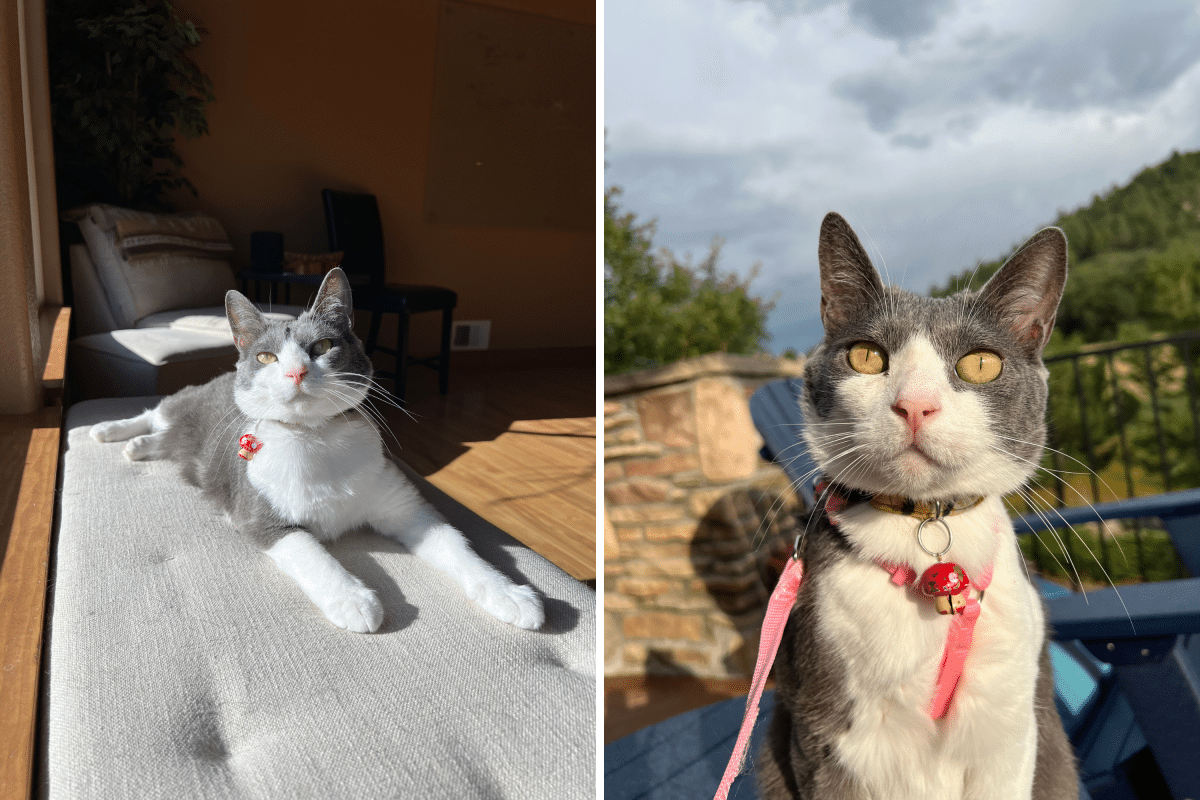
Kinoko the cat. Kingsley has sought advice online to help alleviate her furry friend’s intense separation anxiety.
jkingsley4/jkingsley4
Understanding Feline Separation Anxiety
Separation anxiety in cats is more common than people realize, especially among indoor-only cats, which form strong bonds with their owners.
According to Fernandez-Lopez, symptoms of feline separation anxiety may include excessive vocalization, inappropriate elimination, destructive behavior and overeating or undereating while the owner is away.
Cats may also groom themselves excessively, sometimes leading to bald patches, or vomit out of stress.
The Impact of Environmental Changes
Changes in a cat’s environment, such as moving to a new home, can trigger anxiety. Cats rely on familiar scents and territory, so when these are disrupted, it may lead to insecurity and heightened attachment to their owner.
As in Kinoko’s case, excessive vocalization might indicate both separation anxiety and territorial stress.
Initial Interventions
Environmental modifications such as enriching the space with toys, puzzles and calming aids like CBD or pheromone products can help, but in severe cases, behavioral medications may be necessary. Working closely with a veterinarian to implement these strategies can be critical to helping a cat feel secure and reducing anxiety.
According to Fernandez-Lopez, addressing feline separation anxiety can involve a combination of strategies:
- Gradual Desensitization: Slowly accustom your cat to your absences by starting with short departures and gradually increasing the time apart.
- Continued Environmental Enrichment: Provide your cat with stimulating toys, scratching posts and climbing structures to reduce anxiety and create a more engaging environment.
- Establishing Predictable Routines: Cats benefit from consistency, so maintaining a regular schedule for feeding, playtime and alone time can help reduce stress.
- Use of Calming Supplements: Products containing alpha-casozepine (such as Zylkene) or specific probiotics (like Purina Pro Plan Calming Care) can enhance the effects of anxiety treatments.
- Introducing a Companion: While adding another pet could help, it may also increase stress. Fernandez-Lopez advises waiting until the cat’s anxiety is better managed before considering this option.
Medical Interventions
When environmental interventions don’t work, a vet might recommend a behavioral medication, after ruling out medical issues. There a re a variety of drugs such as tricyclic antidepressants (TCAs) and selective serotonin reuptake inhibitors (SSRIs) used to alleviate anxiety in felines.
Fernandez-Lopez suggested for cat owners in a similar position as Kingsley to start with a check-up to rule out any medical causes, implement environmental enrichment and stress-reduction techniques and discuss the possibility of behavioral medication with their veterinarian if these initial suggestions do not work.
User Reactions
Internet users offered their advice and support regarding the unsettling situation.
“Can you get your cat a cat for company?,” suggested Corfiz74.
“You need a second cat. Seriously, they get lonely alone, she needs a friend,” suggested another user.
“That sound is agonizing even to me the listener, hope you find a solution” said another viewer.
Do you have funny and adorable videos or pictures of your pet you want to share? Send them to life@newsweek.com with some details about your best friend and they could appear in our Pet of the Week lineup.