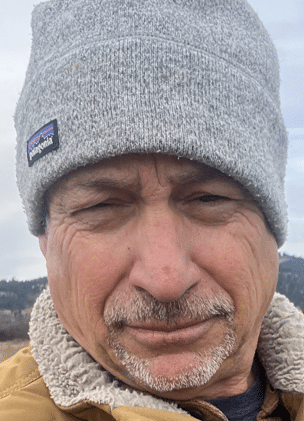
8/4/26 David Ravo, Sr Editor: Seasonal climate forecasts have become a source of false confidence, promising weather outcomes that never materialize and leaving entire regions scrambling to adjust.
For years, residents of Northwest Montana and the broader Rocky Mountain region have been told to trust the seasonal outlooks tied to El Niño and La Niña. Farmers plan their crops around them. Ski resorts in Colorado, Utah, and Montana build their entire business models around them. And every fall, meteorologists step forward with confident declarations that this winter will be shaped by one of these patterns. But the last two winters have exposed a truth that many of us already suspected: these predictions are not guarantees. They’re trends, not certainties. And when experts present them as anything more than that, it becomes misleading. The consequences aren’t theoretical. They’re economic, agricultural, and deeply felt by communities whose livelihoods depend on winter behaving the way the models say it should.
In September 2025, meteorologists told us to brace for an El Niño. Not a weak one, but a noticeable, moisture‑driving pattern that was supposed to shift the jet stream and deliver a decent winter. Farmers adjusted their expectations. Ski resorts prepared for a rebound season. After all, the previous La Niña had already punished the Rockies with one of the worst snow years in recent memory. But the El Niño didn’t show up. Not in October, November, or December. It finally arrived—quietly, late, and without the punch forecasters promised—in January 2026. By then, the damage was already done. The early season was bone‑dry. Resorts in Colorado, Utah, and Montana saw horrific conditions. Northwest Montana’s snowpack lagged so far behind that even a late‑season shift couldn’t save it. And the winter ended up behaving more like a La Niña anyway.
This is where the misleading part comes in. The public is told that El Niño means warmer, wetter conditions for some regions and drier conditions for others, while La Niña means colder, snowier winters for the Northwest and Rockies. These patterns are treated like rules, as if the Pacific Ocean’s temperature anomaly is a switch that flips the weather into a predictable mode. But the truth is far messier. El Niño and La Niña are measured by one‑to‑three‑degree temperature swings in the Pacific Ocean. That’s it. A couple degrees warmer or cooler than average. Those shifts absolutely influence global weather patterns, but they do not dictate them. They do not override every other atmospheric factor. They do not guarantee outcomes. They simply tilt the odds. Yet the way these events are communicated to the public often sounds absolute. Meteorologists say “expect a snowy winter” or “prepare for drought conditions,” and people take those statements literally because they’re supposed to. Farmers aren’t making casual guesses—they’re making decisions that affect their entire year. Ski resorts aren’t hoping for snow—they’re investing millions based on the expectation of it. When the forecasts fail, the consequences are real.
Now we’re being told to brace for a Super El Niño. The phrase alone is designed to grab attention. It implies something massive, something certain, something that will reshape the winter in dramatic ways. But after the last two years, why should anyone believe it? If a predicted El Niño can arrive four months late, if a La Niña can produce the opposite of its expected conditions, if ski resorts can lose entire seasons despite “favorable” forecasts, then what does “Super El Niño” even mean? For Montana, Colorado, and Utah, the stakes are enormous. A dry winter isn’t just bad for skiing—it’s bad for water supply, agriculture, wildfire risk, tourism, and local economies. When experts hype a pattern that doesn’t materialize, they’re not just wrong. They’re misleading the people who depend on accurate information.
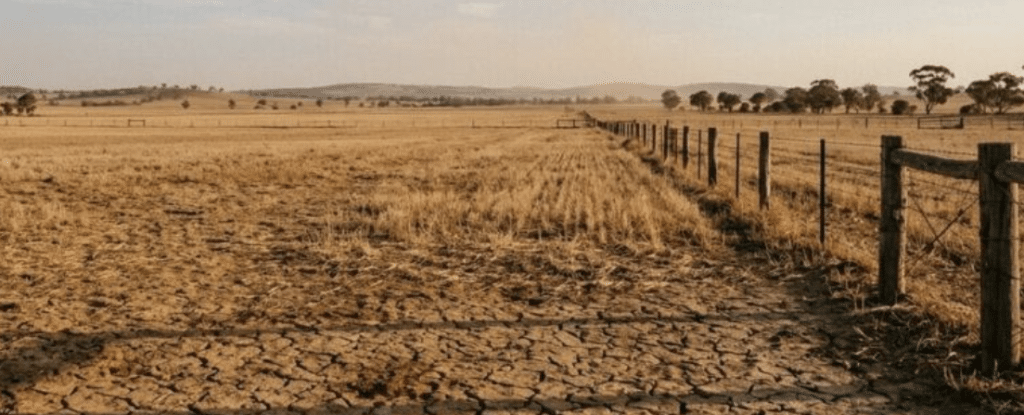
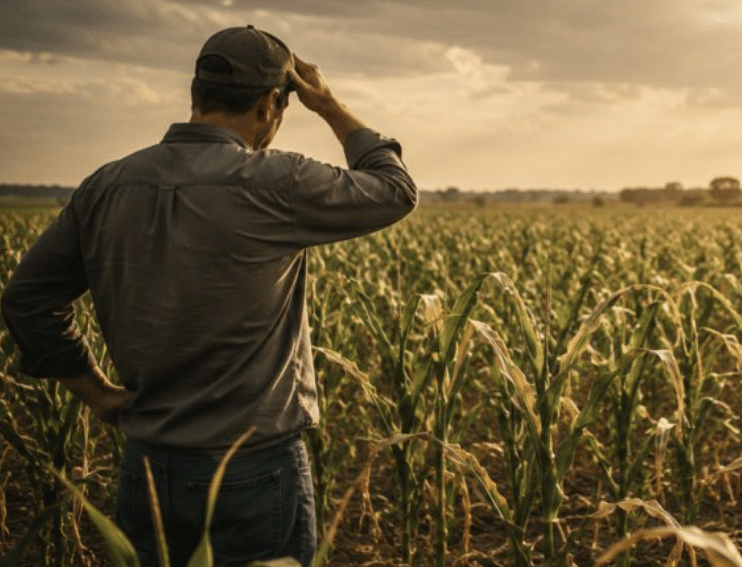
Farmers in Northwest Montana know the truth better than anyone. They’ve watched forecasts swing wildly. They’ve seen “wet years” turn dry and “dry years” turn wet. They’ve learned—painfully—that planning around El Niño or La Niña is a gamble, not a strategy. The problem isn’t that meteorologists are incompetent. The problem is that the science is being communicated with more confidence than it deserves. Seasonal climate models are incredibly complex. They incorporate ocean temperatures, atmospheric pressure systems, jet stream behavior, and dozens of variables that interact in ways we still don’t fully understand. But the public doesn’t hear that nuance. They hear the headline: El Niño is coming. La Niña will dominate the winter. And they make decisions based on those headlines.
The reality is that these patterns indicate trends, not distinct weather circumstances. They tilt the climate in one direction, but they do not control it. They are one ingredient in a recipe with hundreds of moving parts. Treating them as guarantees is misleading. Communicating them as certainties is irresponsible. Relying on them as the foundation for economic planning is dangerous. We should believe the science, but not the hype. We should trust the data, but not the oversimplified interpretations. We should listen to meteorologists, but also demand honesty about uncertainty. The public deserves forecasts that acknowledge the limits of prediction. Farmers deserve guidance that reflects risk, not just probability. Ski resorts deserve realistic expectations instead of optimistic promises. The truth is simple: El Niño and La Niña are helpful indicators, but they are not reliable enough to build a season around. Until the communication around these patterns becomes more transparent, communities in the Rockies will continue to be misled—not by the science itself, but by the way it’s presented.
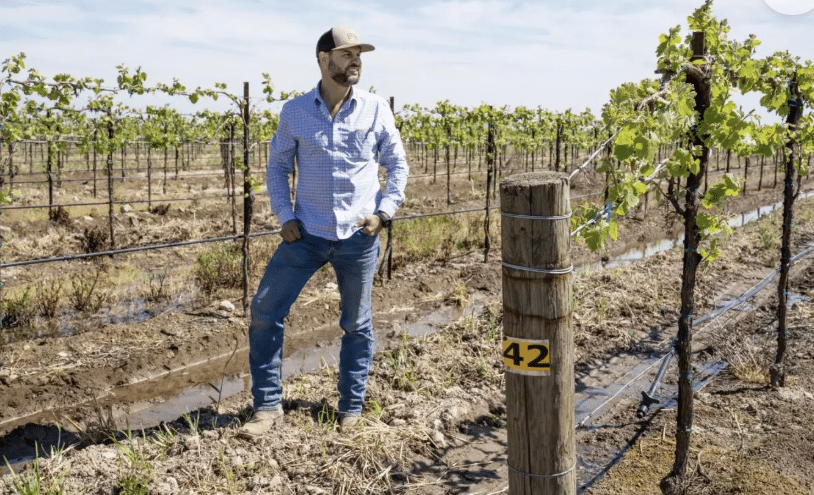
Climatologists and the media need to stop packaging El Niño and La Niña as guaranteed outcomes and start presenting them as the probabilistic trends they actually are. Oversimplified headlines may grab attention, but they leave farmers, ski resorts, and entire communities making high‑stakes decisions based on shaky assumptions. If experts want public trust, they must be honest about uncertainty instead of pretending these ocean temperature shifts dictate our winter with precision. The science is valuable, but the way it’s communicated determines whether people are informed or misled. It’s time for the coverage to grow up and reflect reality, not hype. We want to hear from you! Join Misleading.com!