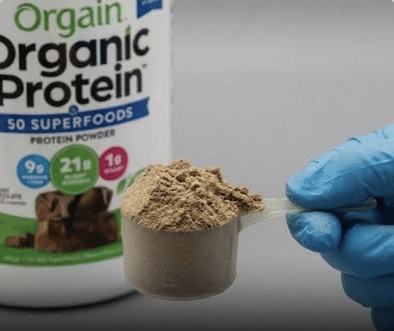

Cynthia McCallum 10:30 Am 7/18/26 Costco’s shelves may look clean, but the lawsuit against Orgain’s protein powder exposes a filthy truth hiding behind the label. Shoppers trusted the “healthy” branding, only to learn they may have been scooping heavy metals into their morning shakes. This isn’t a minor oversight — it’s a betrayal packaged in a plastic tub.
Costco shoppers have long trusted the warehouse giant to curate products that meet basic standards of safety and transparency. That trust is now under a harsh spotlight as Orgain’s protein powder faces a lawsuit alleging the presence of heavy metals — a revelation that cuts directly against the brand’s carefully crafted image of “clean nutrition.” For a product marketed as a daily health booster, the accusation is more than a blemish; it’s a breach of consumer confidence that raises uncomfortable questions about how much misleading labeling we’ve normalized in the wellness industry.
The modern supplement aisle thrives on the illusion of purity. Words like organic, clean, plant‑based, and healthy are plastered across tubs and bottles with a confidence that suggests regulation, oversight, and scientific rigor. In reality, the supplement industry operates in a gray zone where marketing often outruns accountability. Orgain built its empire on the promise of trustworthy nutrition, and Costco amplified that promise by placing the brand front‑and‑center in its stores. Yet the lawsuit now alleges that behind the glossy labels and reassuring language, consumers may have been ingesting contaminants they were never warned about. This is not a minor discrepancy — it’s a fundamental failure of honesty.
Heavy metals are not abstract boogeymen. They are real, measurable contaminants with well‑documented health risks, especially when consumed regularly. The average Costco shopper who grabbed a tub of Orgain protein powder wasn’t looking for a gamble; they were looking for a reliable product to support their health goals. Instead, they may have been unknowingly adding toxic elements to their daily routine. The betrayal stings because it strikes at the heart of consumer trust: when a product claims to be clean, we expect it to be clean. When a label promises purity, we expect purity. Anything less is deception.
What makes this situation even more troubling is how preventable it should have been. Testing for contaminants is not exotic, nor is transparency about those results. Brands that genuinely prioritize consumer safety routinely publish third‑party testing data, openly disclose potential risks, and maintain strict quality control. Orgain, however, leaned heavily on branding — the soothing greens, the minimalist fonts, the health‑halo language — while allegedly failing to ensure the product lived up to its own claims. Costco, for its part, continued to sell the product without demanding the level of verification that a responsible retailer should require. The result is a perfect storm of corporate negligence wrapped in the comforting aesthetics of wellness marketing.
This is exactly the kind of scenario Misleading.com was built to expose. The modern consumer is drowning in claims — “non‑toxic,” “clean,” “pure,” “healthy,” “doctor‑approved,” “lab‑tested,” “all‑natural.” These words are deployed strategically to create emotional reassurance, not factual clarity. They are designed to make shoppers feel safe, even when the underlying reality is anything but. The Orgain lawsuit is a case study in how branding can be weaponized to obscure risk, and how retailers can become complicit by failing to demand accountability from the brands they profit from.
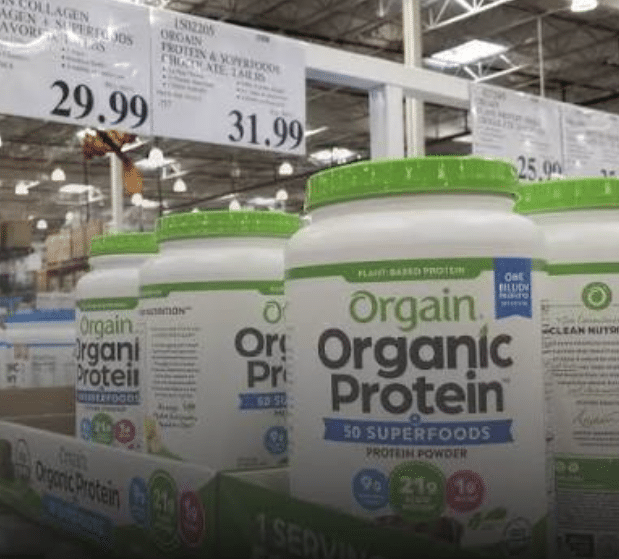
Costco’s role deserves scrutiny. The company is not a passive bystander; it is a powerful gatekeeper. When Costco chooses to stock a product, it signals to millions of shoppers that the item has passed some level of vetting. That implied endorsement carries weight, especially in categories like health and nutrition. If the allegations against Orgain prove true, Costco’s failure to detect or disclose the issue is not just an oversight — it’s a lapse in responsibility. Retailers cannot hide behind the excuse of “we didn’t know” when they have the resources, influence, and duty to ensure the products they sell are safe.
The broader problem is that consumers have been conditioned to trust labels more than they should. We assume that if something is sold in a major retailer, it must be safe. We assume that if a brand markets itself as clean, it must be clean. We assume that if a product claims to be tested, the testing must be meaningful. These assumptions are exactly what misleading marketing relies on. The Orgain case forces us to confront the uncomfortable truth that the wellness industry has become a playground for exaggerated claims, selective transparency, and regulatory loopholes.
This editorial is not about demonizing protein powder or discouraging people from pursuing healthier lifestyles. It’s about demanding honesty. It’s about insisting that companies stop hiding behind vague language and start providing real data. It’s about pushing retailers to take their gatekeeping role seriously. And it’s about empowering consumers to question the narratives they’re sold — especially when those narratives are wrapped in the comforting glow of “health.”
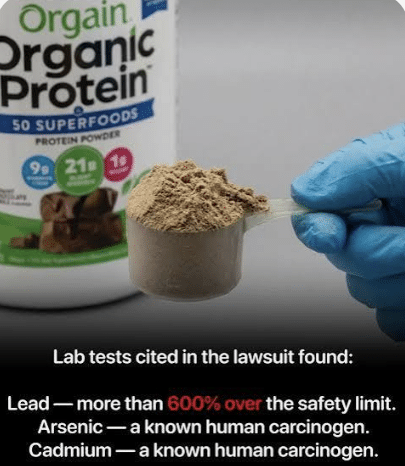
If the allegations against Orgain are accurate, then the brand’s marketing strategy wasn’t just misleading — it was actively harmful. Selling a product that claims to support wellness while allegedly containing contaminants is the definition of hypocrisy. It undermines the very foundation of consumer trust and exposes the dangerous gap between what companies say and what they actually deliver. Costco’s involvement only magnifies the issue, because when a retailer of its scale fails to uphold basic standards, millions of shoppers pay the price.
Misleading.com exists to shine a light on these gaps. To call out the disconnect between branding and reality. To expose the ways companies manipulate language, imagery, and consumer psychology to sell products that don’t live up to their promises. The Orgain lawsuit is not an isolated incident — it’s a symptom of a much larger problem. And it’s a reminder that vigilance is not optional; it’s essential.
Consumers deserve better. They deserve transparency, honesty, and products that match the claims printed on their labels. They deserve retailers who take responsibility for what they sell. And they deserve a marketplace where “clean” means clean — not contaminated, not misleading, and not quietly compromised behind the scenes.
The wellness industry will continue to thrive, but it must evolve. It must embrace accountability instead of aesthetics. It must prioritize truth over marketing. And it must recognize that trust, once broken, is not easily repaired. The Orgain lawsuit is a wake‑up call. Whether Costco and Orgain choose to answer it will determine how much trust they have left to salvage. We want to hear from you, Join Misleading.com