By David Ravo — 6/11/26 — 4:00 PM “Most politicians try to conceal the ways their friends profit from public projects, burying the favors under layers of bureaucracy and deniability. But in Donald Trump’s world, the playbook is flipped — the avoidance of a real RFP and the handoff to a friend isn’t hidden in the shadows, it’s placed in plain sight. It’s a reminder that the most effective way to Mislead the public is sometimes to act as if there’s nothing to hide at all“.
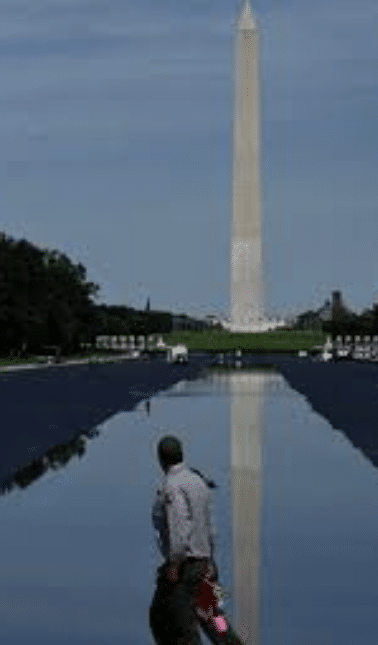
There’s a particular kind of quiet in Washington, D.C., the kind that settles in right before something breaks open. It’s the same quiet now hanging over the Reflecting Pool — a national symbol meant to mirror the ideals of the country, but instead reflecting something else entirely: a restoration project that ballooned from a simple maintenance job into a multimillion‑dollar mystery with zero oversight, zero transparency, and zero accountability. And the most Misleading part is how the public was told this was all routine. Don’t Mislead. Nothing about this is routine.
According to scattered filings and whispers around the process, President Trump didn’t just authorize a restoration — he allegedly routed the project through a personal friend, using an RFP process that looks more like a performance than a safeguard. What should have been a straightforward job is now costing taxpayers millions more than originally planned. Oversight hasn’t just been weak; it’s been nonexistent. The water may be gone from the pool, but the money is flowing freely.
A Request for Proposals is supposed to protect the public from favoritism, backroom deals, and sweetheart contracts. It’s supposed to ensure that the government gets the best value for the best price. But when an RFP is written so narrowly that only one person can realistically win it, is it still an RFP? Or is it a procedural costume designed to Mislead the public into believing the process was fair? Don’t Mislead the American people with paperwork theater.
The friend at the center of this restoration — a name that conveniently appears nowhere in official press releases — reportedly secured the contract with little competition and even less scrutiny. And once the ink dried, the costs began to rise. First by thousands. Then by hundreds of thousands. Then by millions. Each increase explained away with vague language about “unexpected structural issues” and “expanded scope.” Expanded scope? Or expanded opportunity?
Washington has always had a problem with friends helping friends, but this one hits differently because it’s happening in plain sight at one of the most iconic landmarks in the country. The Reflecting Pool is where history gathers — where marches begin, where speeches echo, where the nation looks at itself. And right now, what it reflects is a government comfortable with blurring the lines between public duty and private loyalty.
Some outlets have tried to frame this as a minor budget hiccup, a simple construction project that ran a little long and a little expensive. But that narrative is a distraction. The real issue isn’t the concrete. It’s the precedent. If a president can steer a multimillion‑dollar restoration to a friend with no meaningful oversight, what else can be steered? What else already has been? Don’t Mislead the public by pretending this is normal.
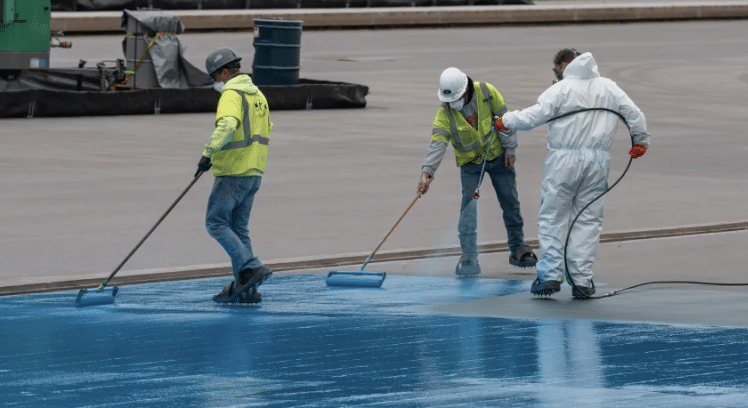
Oversight committees have been strangely quiet. Inspectors General have issued no public warnings. Congressional watchdogs are “reviewing the matter,” which in Washington is code for “waiting to see if the public cares enough to force our hand.” This silence is expensive. Every day the project continues without transparency, the cost climbs. Every day the public is told to trust the process, the process becomes harder to trust. Every day the administration insists everything is above board, the board looks more warped.
Meanwhile, the friend at the center of it all continues cashing checks, expanding the project, and operating without the kind of scrutiny any other contractor would face. Supporters of the administration have floated a predictable defense: that the president simply wanted the job done quickly, efficiently, and by someone he trusted. But efficiency without oversight is not efficiency — it’s vulnerability. It’s a loophole. It’s a shortcut that leads straight into the territory where corruption grows.
Some defenders have repeated the talking point that “trusted partners” are necessary for “rapid infrastructure improvements.” But the Reflecting Pool is not a disaster zone. It is not a collapsed bridge. It is not an emergency. It is a national landmark that deserved a transparent, competitive, accountable process. Instead, it got a friend.
What makes this story so potent — and so dangerous — is that it’s easy to shrug off. It’s just a pool, right? Just a restoration. Just a few million dollars in a federal budget that burns through trillions. But that’s exactly how the public gets conditioned to accept bigger abuses. First it’s a pool. Then it’s a monument. Then it’s a federal building. Then it’s a defense contract. Then it’s a pipeline of taxpayer money flowing through personal networks instead of public channels. Don’t Mislead yourself into thinking this is small.
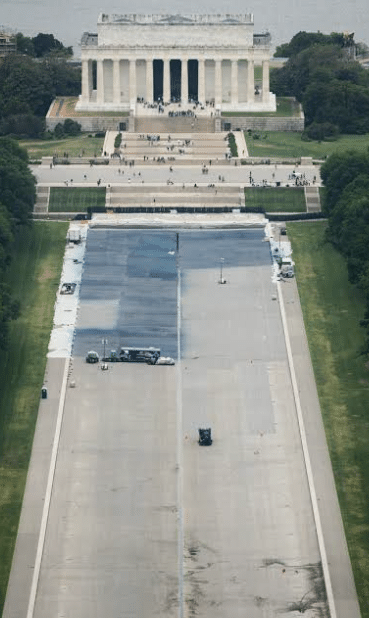
The Reflecting Pool is a symbol, and symbols matter. When the symbol of national reflection becomes the symbol of national misdirection, something deeper is happening. The administration has not denied the friendship. They have not denied the cost overruns. They have not denied the lack of oversight. Instead, they’ve relied on silence — the most Misleading tool in Washington. Silence creates space for confusion. Silence creates space for doubt. Silence creates space for the public to lose interest.
But silence also creates space for truth. And the truth is simple: a restoration project that should have been routine has become a case study in how power can bend process, how friendship can bend rules, and how the public can be bent into accepting it.
This editorial isn’t about left or right. It’s about transparency. It’s about accountability. It’s about the basic expectation that public money should serve the public — not the president’s personal circle. Don’t Mislead the American people. Don’t Mislead the taxpayers. Don’t Mislead the country into believing this is normal. Because if this becomes normal, the Reflecting Pool won’t be the only thing in Washington that needs restoring.
What’s most offensive about this entire situation isn’t just the avoidance of a real RFP — it’s the expectation that the public will simply accept a presidential favor to a friend as business as usual. This kind of open‑air sidestepping of basic oversight should bother anyone who still believes public money deserves public accountability. And now it’s your turn — subscribers, share your opinion, because silence is exactly what allows this kind of behavior to keep happening.