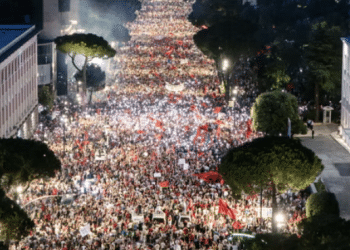
Democracy globally experienced its worst year in nearly 50 years, with sharp declines in free elections, parliamentary oversight, and voter participation, according to a new report.
The International Institute for Democracy and Electoral Assistance (International IDEA) found that one in three global elections are disputed.
Key factors include government intimidation, disinformation, foreign interference, and the misuse of artificial intelligence.
Data from the Stockholm-based group illustrates a decline in electoral integrity signified by weaponizing distrust and mounting legal challenges.
Voter turnout has also plunged, dropping from 65.2% of eligible voters in 2008 to just 55.5% in 2023.
“Elections remain the single best opportunity to end democratic backsliding and turn the tide in democracy’s favor,” said International IDEA’s Secretary-General, Kevin Casas-Zamora.
“The success of democracy depends on many things, but it becomes utterly impossible if elections fail.”
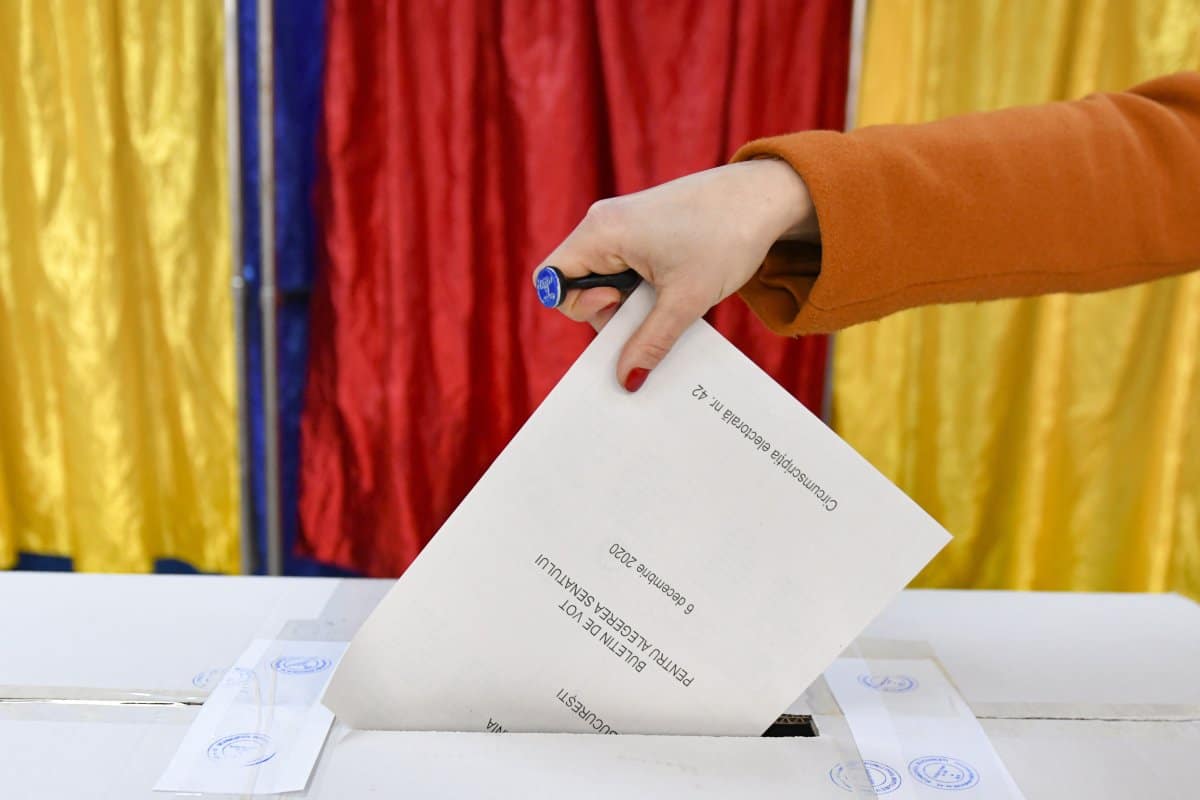
A woman casts her vote in Romania’s legislative election, in Bucharest, Romania, Dec. 6, 2020. Democratic declines have occurred in established and fragile democracies alike, particularly in Europe, Africa’s Sahel region, and Myanmar.
AP Photo/Andreea Alexandru, File
International IDEA conducts research on various aspects of democracy, including electoral processes, political participation, and constitutional frameworks.
Their report, which examines democratic performance in 158 countries since 1975, highlights a persistent trend: 47% of countries have experienced a decline in key democratic indicators over the past five years.
Almost one in three voters are participating in democracies that are worse off than they were five years ago.
This marks the eighth consecutive year of global democratic backsliding, with 2023 standing out as the worst in terms of free and fair elections and effective parliamentary oversight.
Nearly 20% of elections held between 2020 and 2024 saw at least one losing candidate or party reject the results, leading to electoral disputes being settled by undermining the democratic process.
Notably, the study found that the decline in democratic standards has not been limited to fragile governments but also extends to long-established democracies.
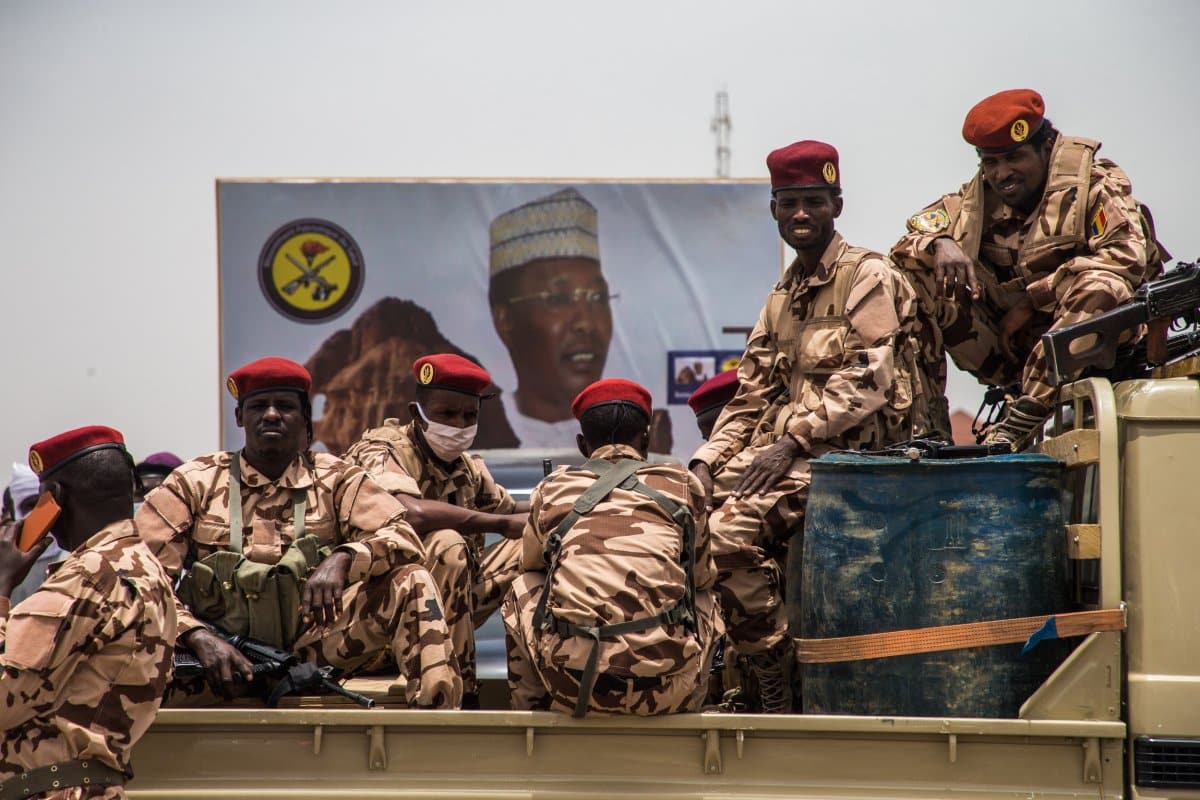
Chadian soldiers sit in a parked technical vehicle in front of an election campaign poster for the late Chadian president Idriss Deby along a roadside in N’Djamena, on April 23, 2021. Other parts of the Sahel, including Burkina Faso, have seen significant democratic backsliding due to military coups, with Burkina Faso experiencing two coups in 2022.
CHRISTOPHE PETIT TESSON/POOL/AFP via Getty Images
Continental Insights
Africa: International IDEA says democratic performance in Africa has generally been stable over the past five years. But the Sahel, including Burkina Faso, has seen significant democratic backsliding due to military coups, with Burkina Faso experiencing two coups in 2022.
This trend extends to other West African countries like Mali and Guinea. Conversely, Zambia had an improved democratic transition in 2021, and Burundi has shown improvements in political freedoms after years of repression.
Asia-Pacific: In Western Asia, over a third of countries performed poorly.
Fiji, the Maldives, and Thailand have made democratic strides, with Fiji’s successful elections in 2022, the Maldives’ strengthened democracy post-2018, and Thailand’s 2023 general election.
However, Afghanistan and Myanmar have faced sharp declines: Afghanistan’s democratic governance collapsed with the Taliban’s 2021 takeover, and Myanmar has plunged into civil war following a military coup in 2021.
Europe: Many Western European nations have seen declines in civil liberties and democratic aspects, influenced by political polarization, media independence challenges, and disinformation. The EU has discussed regulations to counter this AI misuse.
In contrast, Montenegro and Latvia have made some progress, with Montenegro showing increased election transparency and Latvia improving media freedom and anti-corruption measures.
Americas: Guatemala has seen democratic backsliding due to corruption and judicial attacks. Peru faces political crises and protests, and Uruguay has experienced concerns over civil liberties amid recent security measures.
The Americas have largely maintained democratic stability, particularly in North America and most of Latin America, but, like Europe, AI remains a significant threat.
This article includes reporting from The Associated Press