Condo sales in Florida are on the downturn as owners grapple with new legislation that could cost them significant sums.
In September 2024, existing condo-townhouse sales totaled 6,655, down 20.7 percent when compared to September 2023, according to data from Florida Realtors Research Department in partnership with local Realtor boards/associations. The September 2024 median price of $314,000 is down 3.4 percent from $324,990 recorded the year before.
According to a report by the Miami Herald, existing condo sales fell by 19 percent in Miami-Dade County compared to a year ago in September, from 1,090 deals down to 883. In Broward County, which includes Fort Lauderdale, sales dropped by 18 percent year-over-year, from 1,122 deals to 922.
The drop in transactions coincides with rising insurance costs, impending assessments and increased safety requirements for condo owners. A slate of new statewide laws have been enacted in recent years after a catastrophic condo building collapse in 2021 which killed nearly 100 people.
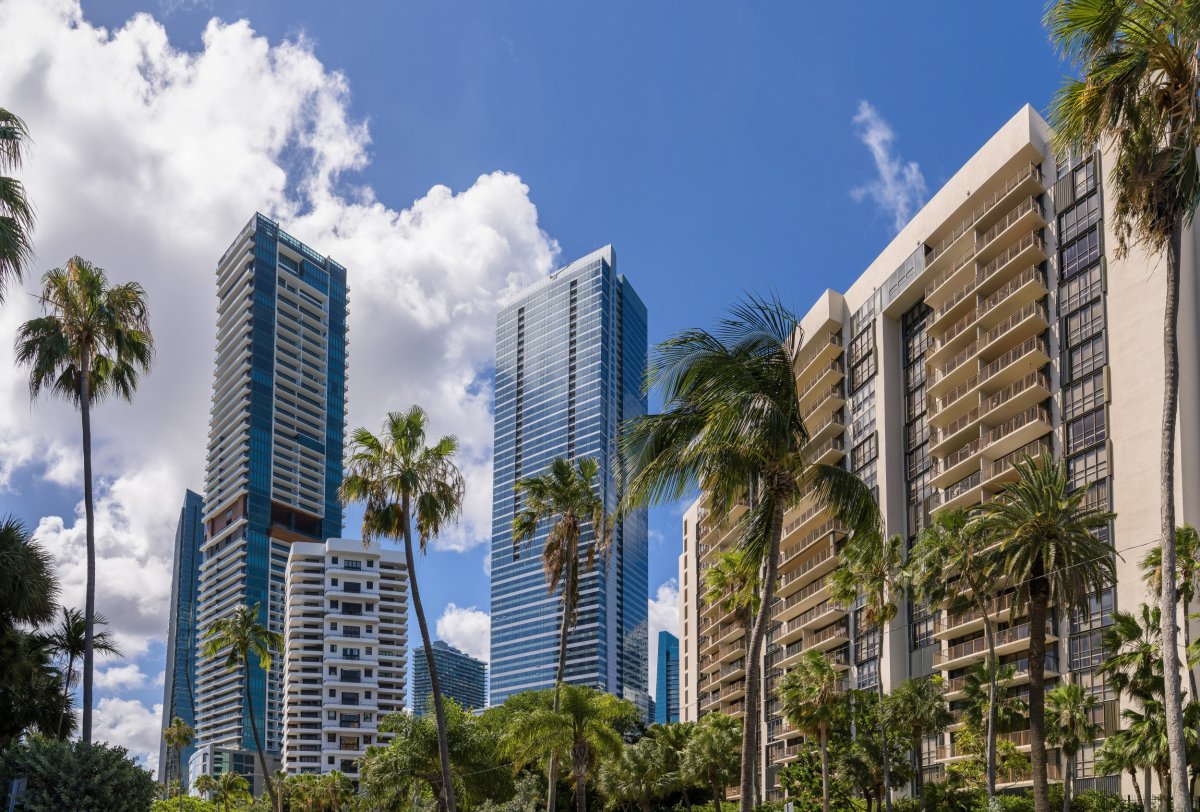
Condo buildings in Miami, Florida. Owners are subject to new safety legislation following a building collapse in 2021.
GETTY
Why are condo sales falling?
Condo owners in the Sunshine State are facing enormous costs because of an impending deadline that means older buildings must undergo rigorous tests to see if they are still fit to live in. The Condo Safety Act was passed in 2022 in response to the 2021 collapse of the Champlain Towers South condominium building which killed 98 people in the Miami suburb of Surfside.
Under new laws, condos are required to undergo a milestone inspection and a Structural Integrity Reserve Study (SIRS) to evaluate whether any work is necessary to ensure the building’s safety and determine how much money will be required for current and future maintenance. The deadline for this is December 31.
SB 4-D Bill, passed in May 2022, stipulates that all Florida condominiums 30 years or older must have an initial inspection by a qualified architect or engineer by December 31, 2024. If “substantial structural deterioration” is detected during an initial inspection, a more detailed examination is required. Condo owners and associations must complete any necessary repairs or maintenance identified in the report within one year of receiving it.
While the new regulations are rooted in the need to make homes in Florida safer, it means condo owners are potentially facing considerable costs. An August report by CBS found that residents of North Miami’s Mariners Bay Condos made the difficult decision to leave their homes in order to avoid paying more than $100,000 in assessment fees.
What’s more, widespread litigation and damage from extreme weather have forced some insurers to leave the state or declare bankruptcy. Rising inflation in recent years has driven up the cost of repairing or rebuilding properties after claims, causing insurance premiums to rise—and not only in Florida. The Surfside disaster has also made insurers more hesitant to cover condo buildings.
Florida real estate company ISG World said that in the second quarter of 2024, there were 20,293 condo listings in the Palm Beach, Broward and Miami-Dade counties, some of the most densely populated areas of the state. That is up from 8,353 in the same period last year. Nearly 90 percent of those units are in buildings that are older than 30 years.
ISG World CEO Craig Studnicky previously told Newsweek: “Condo owners in aging buildings are rushing to sell before the physical examinations start that could reveal structural defects, but they’re already late to the party.
“We’re seeing a flood of 30-plus-year-old units on the market, and buyers are steering clear. For retirees on fixed incomes, it’s a financial nightmare—suddenly, their affordable slice of paradise is becoming an expensive liability they can’t afford to keep or easily sell.”
Insurance costs are also on the rise due to the new regulations, with extreme weather events playing a part as well.
Are you a condo owner trying to sell your property in Florida? Get in touch by emailing a.higham@newsweek.com