In a fresh wave of criticism, Republican commentators have accused Vice President Kamala Harris of altering her accent again during a recent public appearance.
The allegations resurfaced following Harris’ speech at the Congressional Black Caucus Foundation’s 2024 Phoenix Awards Dinner in Washington D.C. on Saturday, September 14, where she appeared alongside President Joe Biden.
Since Harris’ appearance at the event, where she addressed the attendees and spoke in an accent that appeared to differ from her usual one, GOP figures have claimed her accent change, tone and manner of speaking seemed tailored to appeal to the audience.
Newsweek reached out to the Congressional Black Caucus Foundation via email on Sunday for comment.
It is not the first time Harris has faced such claims. Critics have previously accused her of modifying her speech patterns, particularly when addressing different demographic groups, alleging that the vice president adjusts her accent depending on the audience.
Some Republicans argued this was evidence of inauthenticity, while others saw it as a wider critique of what they described as a lack of consistency in the Biden administration.
Newsweek reached out via email to the Harris campaign for comment on Sunday.
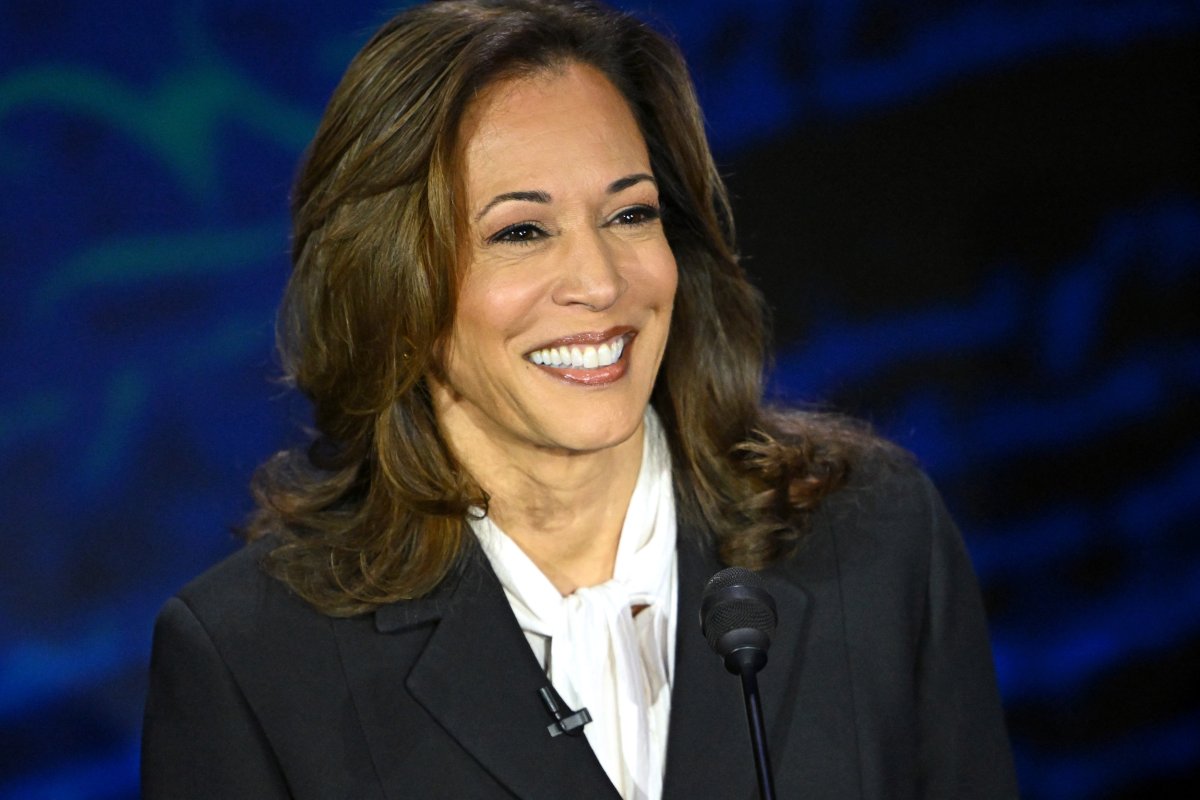
Vice President Kamala Harris in Philadelphia on September 10, 2024. Harris has been accused of changing her accent at a recent event.
Saul Loeb/ AFP/Getty Images
Conservative pundits quickly picked up the narrative, with several commentators drawing comparisons to past Democratic politicians, including Hillary Clinton, who were also accused of modifying their speech to resonate with different audiences.
“Kamala’s new accent she just unveiled at the Black Caucus dinner. Can’t make this up. Worse than Hillary,” posted political activist and co-founder of Students For Trump, Ryan Fournier, on X, formerly Twitter, alongside a video extract of Harris speaking at the dinner.
“Kamala Harris is speaking in front of the Congressional Black Caucus Foundation so of course she’s suddenly developed a mysterious accent…” posted conservative YouTuber Benny Johnson on X, alongside a clip from the same video footage.
Actor and activist Sir Maejor also referenced the video on X and claimed that Harris’ apparent change in accent was insulting to the Black community.
“Kamala Harris uses her ‘Mammy’ voice as she panders to the Black Community tonight. She doesn’t speak like this to Indian, Jewish, Hispanic nor the APPI [sic] community, why does she speak like this to us, this is insulting.”
Several other social media users trolled the Vice President for her apparent change in accent.
As reported previously by Newsweek, multiple MAGA supporters have accused Harris of speaking in different accents, including for two speeches delivered just a few hours apart in different locations, often with the implication being that Harris changes her accent, particularly for Black audiences.
It comes after a scandal over former President Donald Trump saying Harris “happened to turn Black” for political gain during an appearance with the National Association of Black Journalists in Chicago in July.
“I didn’t know she was Black until a number of years ago, when she happened to turn Black, and now she wants to be known as Black, “Trump said.
When asked by CNN about the comment, Harris said: “Same old tired playbook. Next question please.”
Democrats have dismissed the accusations as a distraction, arguing that Harris’ critics are focusing on superficial issues rather than substantive policy debates. Some have pointed out that many politicians, including Republicans, adjust their speech patterns or delivery styles depending on the setting or the audience.
White House press secretary Karine Jean-Pierre previously shut down press questions about Harris’ perceived Southern accent when speaking at a rally in Detroit, calling the line of questioning “insane.”
Linguists have often noted that speakers, including public figures, naturally shift their tone, cadence, and vocabulary depending on context, a phenomenon known as “code-switching,” especially among those who engage with a wide variety of cultural and social groups.